In the realm of construction, understanding foundation terms in construction is essential.
To help you navigate this field, we also included a section on foundation terms in construction that are crucial for understanding your projects.
Understanding foundation and soil terminology can be confusing—especially when you’re managing multiple projects or coordinating with engineers. That’s why we created this visual glossary of 10 essential foundation terms. Whether you’re a general contractor, builder, or engineer, this guide breaks down the most common foundation repair and construction language so you can communicate clearly and make faster decisions on-site.
At FnD Piers, we believe knowledge builds confidence. From torque readings to load tests, here’s what every foundation professional should know.
Utilizing foundation terms in construction helps streamline processes and clarify responsibilities among team members.
Understanding Foundation Terms in Construction
This section will elaborate on various foundation terms in construction that are vital for all professionals in the industry.
1. Helical Pier
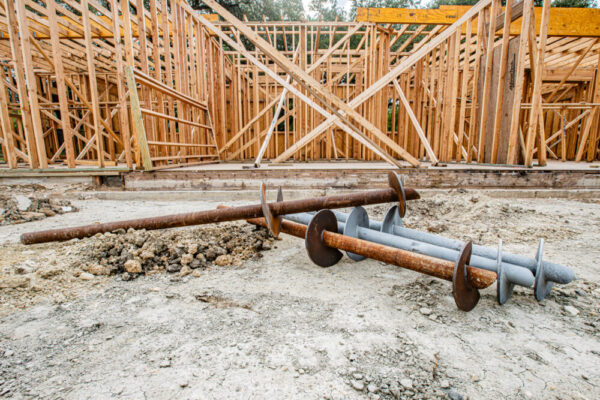
A helical pier (also called a screw pile) is a steel shaft with one or more helical plates that’s screwed into the soil to support or stabilize a structure.
- Installed using hydraulic torque motors
- Provides immediate load-bearing capacity
- Ideal for wet, loose, or expansive soils
- Commonly used in residential and commercial foundations
Helical piers are manufactured and installed directly by FnD Piers, ensuring engineering precision and next-day availability.
Understanding these foundation terms in construction will greatly improve your ability to execute projects successfully.
2. Torque
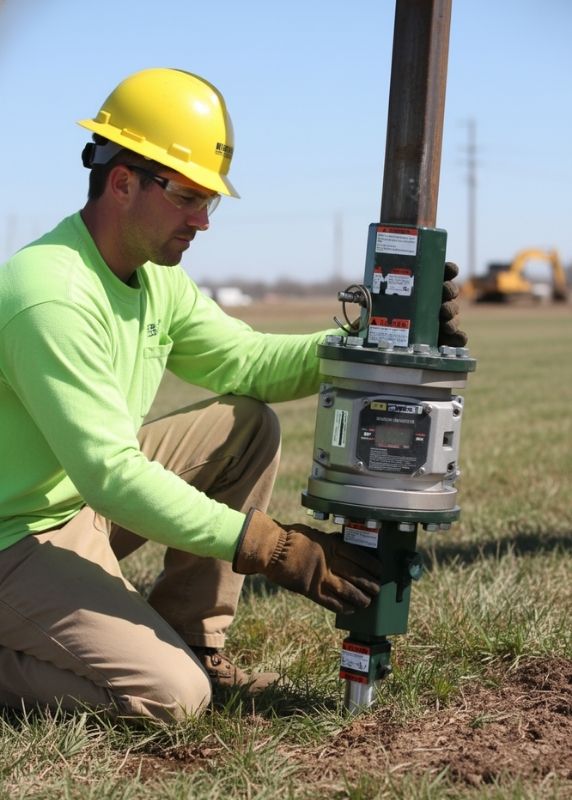
Torque measures the resistance encountered as a helical pier is rotated into the ground. The higher the torque, the stronger the soil’s bearing capacity.
- Measured in foot-pounds (ft-lbs)
- Determines the pier’s load capacity
- Recorded in real time using digital torque monitoring systems
FnD Piers uses torque data to verify installation strength instantly, ensuring every foundation meets design specifications.
By grasping these foundation terms in construction, professionals can enhance their communication and project outcomes.
3. Settlement
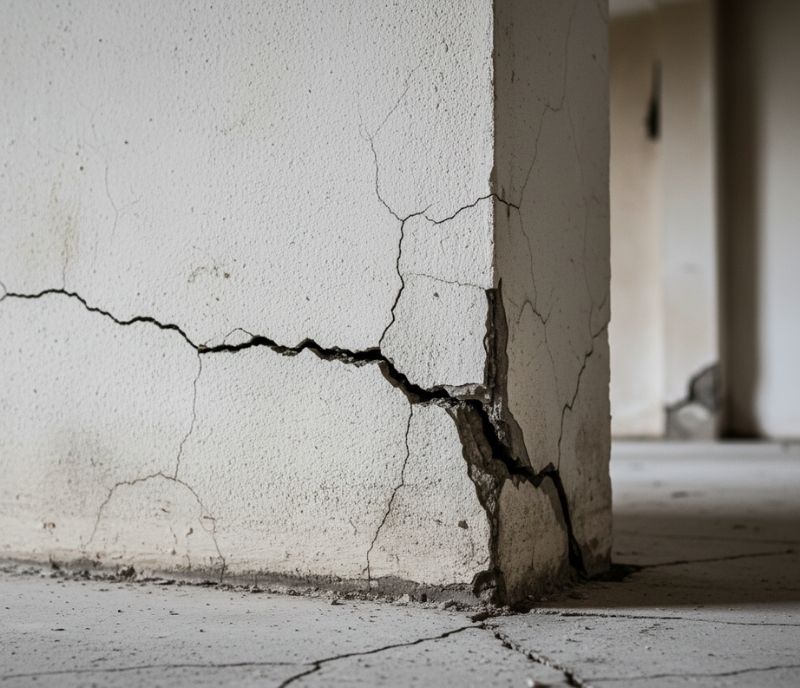
Settlement occurs when the soil beneath a foundation shifts or compresses, causing uneven floors, wall cracks, or misaligned doors and windows.
- Can result from poor compaction, water intrusion, or soil expansion
- Monitored using elevation readings during inspections
- Repaired through helical pier installation to lift and stabilize the structure
4. Load Test
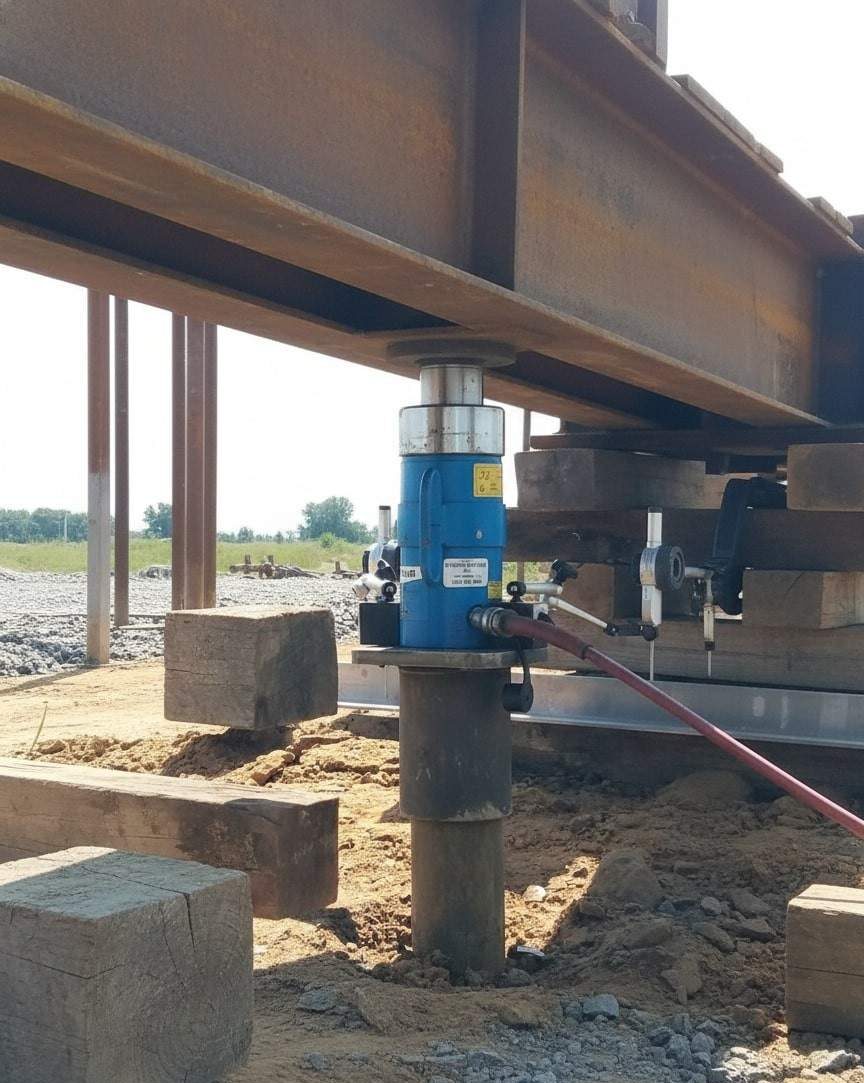
A load test determines how much weight a pier or pile can safely support.
- Conducted by applying vertical force to the installed pier
- Helps confirm design assumptions and torque-to-capacity correlations
- Required for many commercial and engineering projects
FnD Piers provides on-site load testing and detailed documentation for engineers and inspectors.
Load tests are one of the critical foundation terms in construction that ensure structural integrity.
5. Bearing Stratum
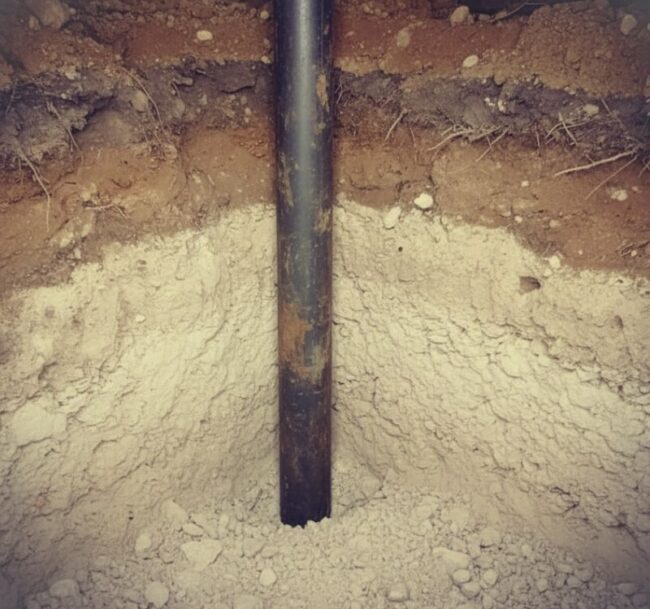
The bearing stratum is the stable soil or rock layer that provides sufficient support for a foundation system.
- Located through test holes or geotechnical reports
- Helical piers are advanced until the required torque confirms they’ve reached the bearing stratum
Identifying the bearing stratum is key among the foundation terms in construction that every builder should know.
6. Cave-Off
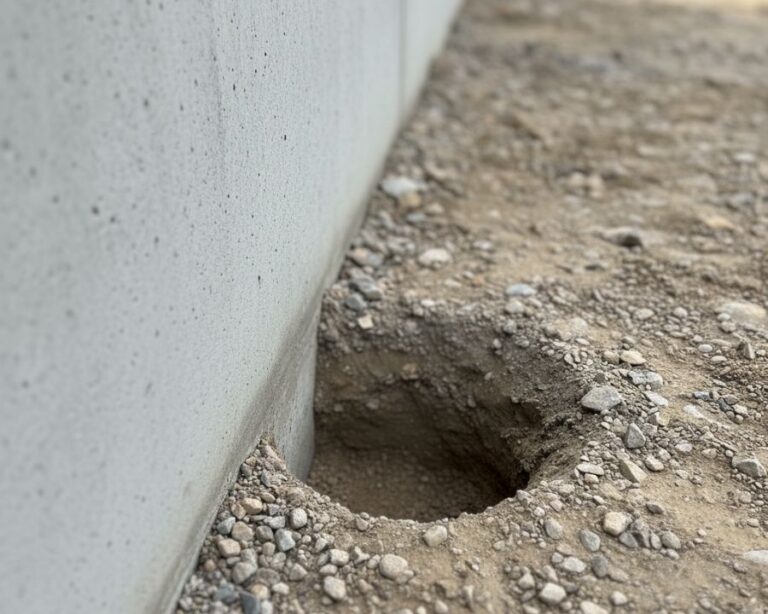
Cave-off happens when the walls of a drilled hole collapse due to loose soil or groundwater pressure.
- Common in wet or sandy conditions
- Prevented by using casing, slurry, or switching to helicals for stability
Cave-off is another crucial concept among foundation terms in construction affecting excavation processes.
7. Load Capacity
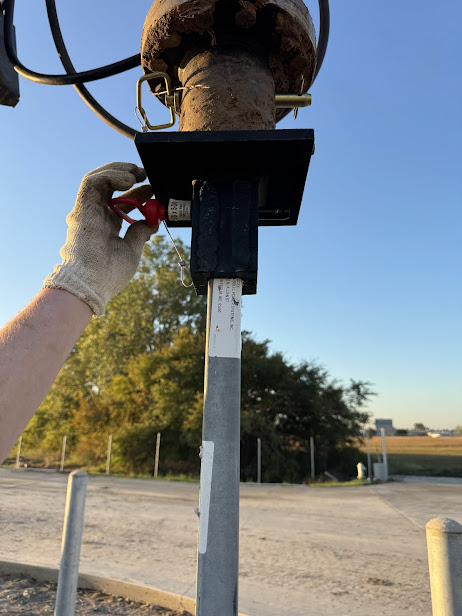
The load capacity of a pier or pile is the maximum weight it can safely carry without movement or failure.
- Determined through soil analysis and torque readings
- Expressed in kips (1 kip = 1,000 lbs)
- Critical for both residential and commercial design approval
Load capacity is one of the essential foundation terms in construction that determines safety measures.
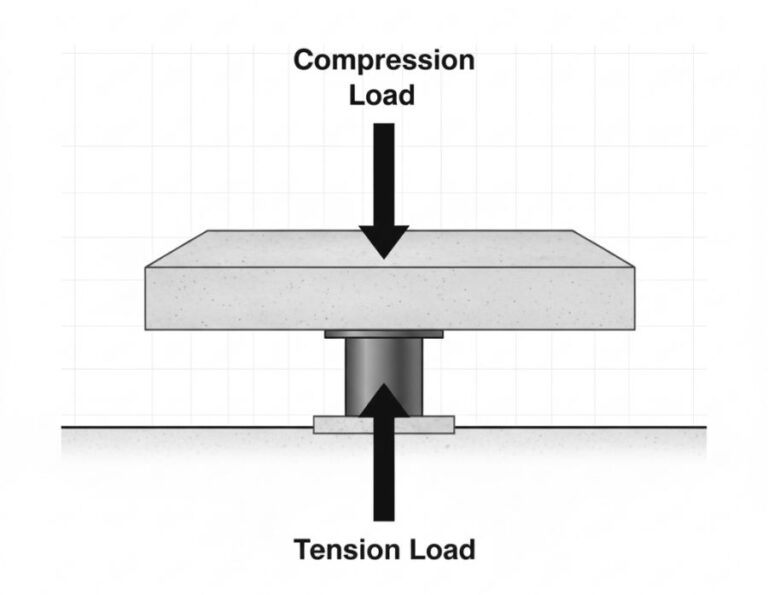
8. Compression vs. Tension Loads
- Compression Load – Downward force from the weight of a structure
- Tension Load – Upward force from wind uplift or soil expansion
Helical piers can handle both types of loads, making them ideal for retaining walls, slabs, and deep foundations.
Understanding compression and tension loads is vital among the foundation terms in construction.
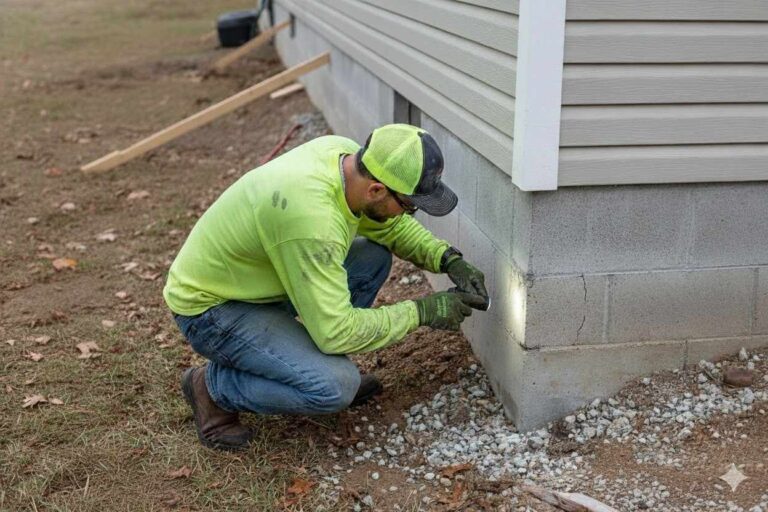
9. Foundation Inspection
A foundation inspection assesses structural integrity and soil stability to determine whether repairs are needed.
- Includes visual review, elevation mapping, and soil probing
- Identifies cracks, settlement, or poor drainage issues
- Often the first step before engineering approval or pier installation
Foundation inspections rely heavily on key foundation terms in construction to ensure compliance.
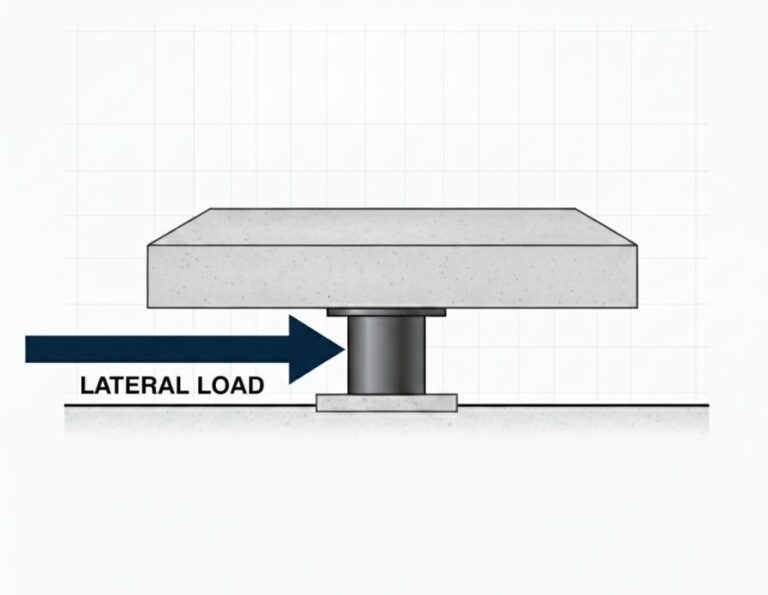
10. Lateral Load
A lateral load refers to horizontal forces acting on a structure’s foundation, such as wind, seismic activity, or soil pressure.
- Tested using lateral load testing equipment
- Important for retaining walls, utility poles, and elevated structures
- Helical piers resist lateral loads| through proper embedment and helix spacing
A lateral load is one of the significant foundation terms in construction associated with structural design.
Why a Clear Understanding of Terminology Matters
- Improves communication between engineers, builders, and inspectors
- Speeds up decision-making during foundation repairs
- Ensures compliance with design and safety standards
At FnD Piers, we use visuals and torque data to make complex foundation systems simple and transparent for every client.
By understanding these foundation terms in construction, you can improve your project’s success.
Have Questions About Foundation Terms?
Let our experts walk you through them in person.
Call FnD Piers at (817) 203-8920 for a complimentary site consultation and learn how our Next Day Helical Process can help you build faster with confidence.
Don’t hesitate to reach out for clarification on any foundation terms in construction.