When building a new deck, one of the most important structural decisions you’ll make is the foundation. If you’re researching helical for deck foundations, you’re already looking at one of the most reliable and long-lasting support systems available today.
At FnD Piers, we install engineered helical piers for decks across North Texas, providing stable, load-verified support that resists settling, shifting soil, and long-term structural issues.
In this guide, we’ll explain how helical systems work for deck foundations, why they outperform traditional concrete footings in many situations, and when they’re the right solution for your project.
What Does “Helical for Deck” Mean?
Using helical for deck construction refers to installing helical piers (also called screw piles or helical anchors) beneath deck posts instead of traditional poured concrete footings.
A helical pier consists of:
- A high-strength steel shaft
- One or more helical (spiral) plates
- A bracket that connects directly to the deck beam or post
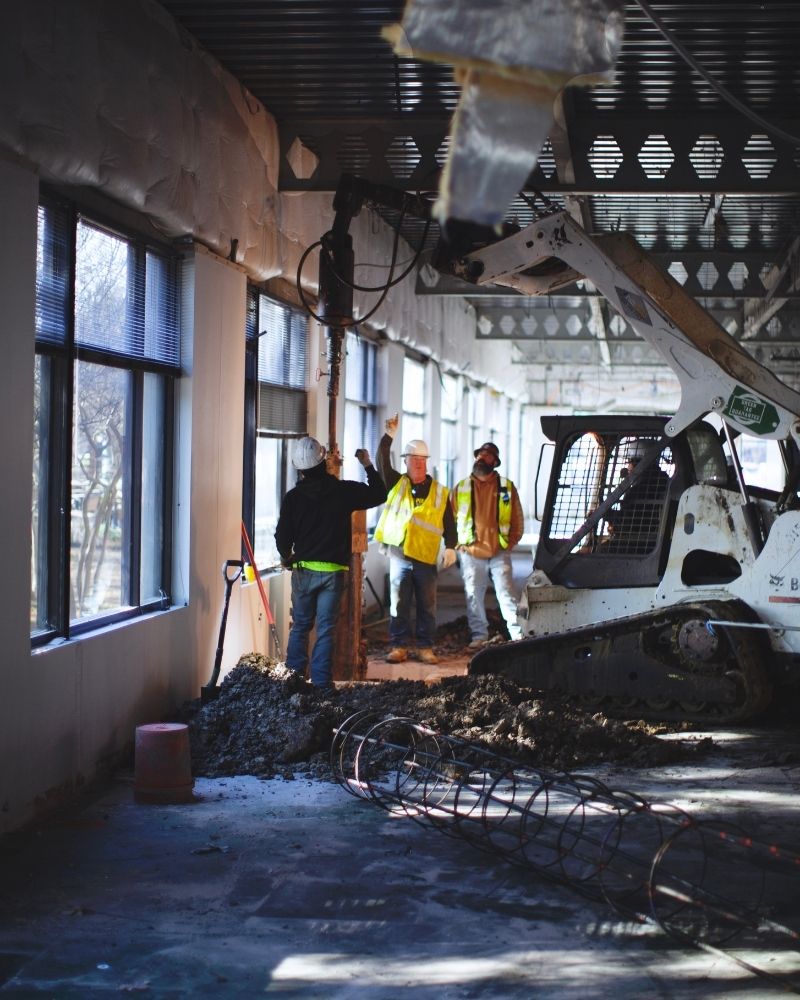
The pier is mechanically screwed into the ground using hydraulic equipment until it reaches stable, load-bearing soil. This creates immediate structural support without waiting for concrete to cure.
Why Choose Helical Piers for a Deck?
1. Immediate Load Capacity
Unlike concrete footings, which require curing time, helical piers for decks can support loads immediately after installation. This speeds up construction timelines and reduces weather delays.
2. Superior Performance in Expansive Clay Soils
In areas like Dallas–Fort Worth, expansive clay soils can shrink and swell with moisture changes. Traditional shallow footings may shift or settle over time.
Helical piers transfer deck loads deeper into stable soil layers, reducing the risk of:
- Uneven deck surfaces
- Post movement
- Structural instability
3. Minimal Yard Disruption
Installing helical piers requires no large excavation or concrete trucks. This makes them ideal for:
- Tight access areas
- Finished landscaping
- Existing homes with limited equipment access
4. Engineered Load Verification
During installation, torque monitoring verifies that each pier reaches its designed load capacity. This ensures your deck foundation is not based on guesswork.
Helical Piers vs. Concrete Footings for Decks
When deciding between concrete and helical for deck foundations, here’s how they compare:
Feature | Helical Piers | Concrete Footings |
Installation Time | Same day | Requires curing |
Soil Adaptability | Excellent | Limited in poor soils |
Weather Dependency | Minimal | Weather-sensitive |
Yard Disruption | Low | Moderate to High |
Immediate Use | Yes | No |
While concrete footings remain common for small decks in stable soils, helical piers are often preferred for larger decks, elevated decks, or unstable soil conditions.
When Should You Use Helical for Deck Construction?
Helical piers are especially recommended when:
- Building a second-story or elevated deck
- Constructing near slopes or retaining walls
- Installing decks in areas with poor or expansive soils
- Replacing a failing deck foundation
- Adding weight from outdoor kitchens, pergolas, or heavy features
If your deck project requires dependable long-term performance, a helical foundation system may be the smarter investment.
How Many Helical Piers Does a Deck Need?
The number of piers required depends on:
- Deck size and dimensions
- Structural load (materials, features, occupancy)
- Soil conditions
- Beam layout and post spacing
Most standard residential decks require multiple piers spaced evenly beneath load-bearing posts. A professional evaluation ensures proper placement and capacity.
The FnD Piers Installation Process
When you choose FnD Piers for your helical deck foundation, our process includes:
- Site Evaluation
Soil conditions and load requirements are assessed. - Engineered Recommendation
Pier size, depth, and spacing are determined. - Precision Installation
Hydraulic equipment installs piers to verified torque specifications. - Structural Connection
Brackets connect the deck framing securely to the pier system.
This ensures your deck rests on a foundation designed for durability and performance.
Are Helical Deck Foundations Cost-Effective?
While initial costs may be comparable or slightly higher than traditional footings in some cases, helical piers often reduce long-term repair risks, especially in shifting soils.
Cost advantages include:
- Faster installation
- Fewer callbacks
- Reduced risk of settlement repairs
- Lower landscape restoration expenses
For many homeowners, the long-term stability makes helical deck foundations a worthwhile investment.
Trust FnD Piers for Helical Deck Foundations in North Texas
If you’re considering helical for deck construction, our team at FnD Piers provides professional installation services throughout:
- Dallas
- Fort Worth
- Arlington
- Plano
- Grapevine
- Surrounding North Texas communities
We help homeowners and builders install deck foundations that are engineered to last.
Schedule Your Deck Foundation Consultation
Don’t leave your deck’s stability to shallow footings in unstable soil.
Contact FnD Piers today to discuss your helical deck foundation project.
Our specialists will:
- Evaluate your site
- Determine the right number of piers
- Provide a clear, engineered recommendation
Call (817) 402-7113.