Why Helical Pier Installation Mistakes Matter to Engineers
Helical piers are highly reliable when properly designed and installed but they are equally unforgiving when critical details are overlooked. For engineers responsible for structural integrity, installation mistakes can turn a sound foundation design into a long-term liability. Poor soil assumptions, skipped verification steps, or improper field adjustments can undermine load capacity, create serviceability issues, and significantly increase risk.
Understanding the most common helical pier installation mistakes allows engineers to specify better, review field logs more effectively, and ensure design intent is honored from start to finish.
The Consequences of Installation Errors
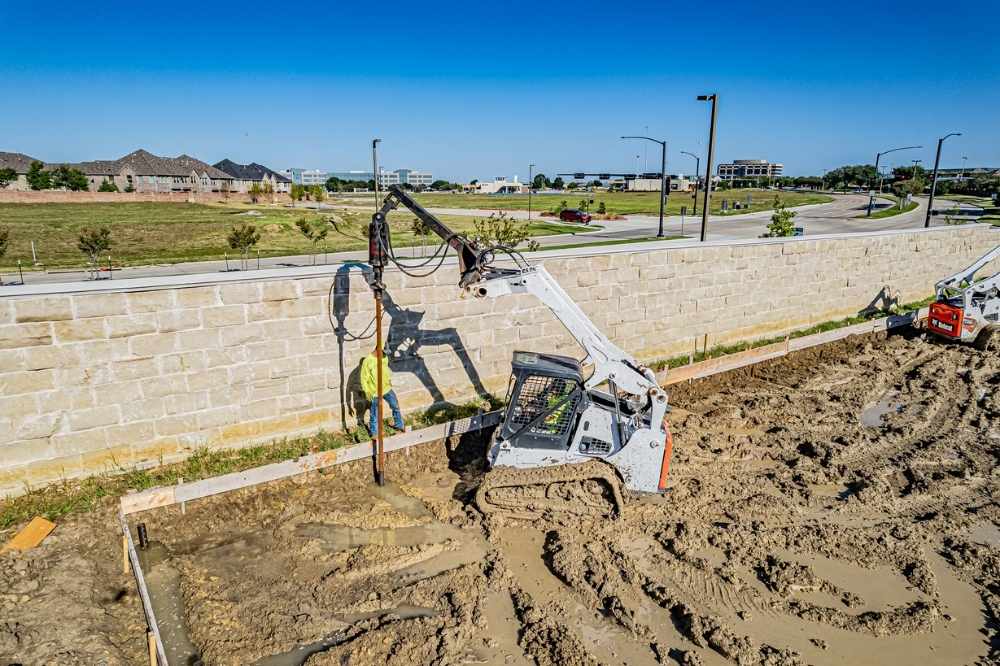
When installation deviates from design or best practices, engineers may face:
- Unexpected settlement or differential movement
- Compromised axial or lateral capacity
- Costly remediation or change orders
- Increased structural risk during floods, storms, or seismic events
- Warranty and liability exposure
These consequences aren’t theoretical,they happen when torque readings are ignored, embedment is insufficient, or load paths are not fully evaluated.
Why Experience and Expertise Matter
Helical pier systems depend heavily on both engineering and field execution. Even the best design requires experienced installers who understand torque behavior, soil variability, and lateral load considerations. Without that expertise, the pier’s true performance cannot be guaranteed.
FnD Piers works alongside engineers, providing calibrated equipment, precise documentation, and deep field knowledge to ensure the design intent is met.
Mistake 1: Inadequate or Generic Soil Assessment
Many installation issues begin before the first pier is placed.
The Problem
Installers may rely on:
- County soil maps
- Regional “typical soil” assumptions
- Outdated reports
- Rule-of-thumb torque expectations
This is risky because soil conditions vary by depth, by location on the same site, and even by the season.
Engineering Impact
- Incorrect torque correlation factors
- Unexpected refusal or excessive depth
- Misalignment between assumed and actual bearing strata
- Reduced load capacity and long-term settlement
Prevention
- Use site-specific geotechnical investigations whenever possible
- Require installers to adjust based on real torque feedback
- Establish communication protocols for unexpected soil conditions
- Review torque logs for consistency across the site
FnD Piers evaluates soil response in real time and adjusts embedment depth accordingly to achieve verified capacity.
Mistake 2: Skipping Load Testing or Torque Verification
Load capacity cannot be confirmed without verification. Yet some installers ignore testing requirements to save time.
Why It Matters
Torque is directly correlated to pier capacity. Without proper verification, the following are unknown:
- Actual capacity achieved
- Whether the pier reached competent bearing strata
- Whether design embedment was truly met
- Whether soil variability affected performance
Risks of Skipping Verification
- Axial failure under load
- Excessive settlement
- Displacement under cyclic loading
- Long-term stability issues
Prevention
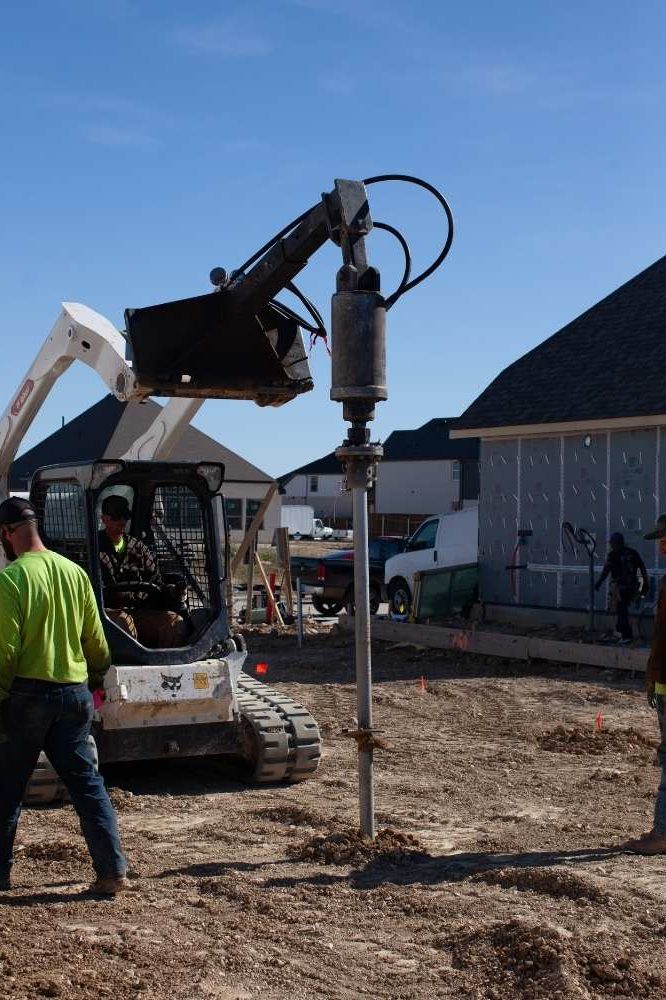
- Require calibrated torque monitoring equipment
- Specify load testing on representative or critical piers
- Document all torque readings on an engineer-reviewed log
- Ensure embedment depth is matched to capacity not convenience
FnD Piers provides complete torque logs, calibrated equipment, and load test data to support engineering review.
Mistake 3: Incorrect Embedment Depth or Helix Plate Sizing
Even with good soils and torque, improper sizing or embedment can lead to performance issues.
Under-Designing Leads To:
- Settlement
- Pier buckling in soft soils
- Inadequate end-bearing capacity
Over-Designing Leads To:
- Unnecessary material cost
- Extended installation time
- Increased risk of refusal in dense soils
Engineering Considerations
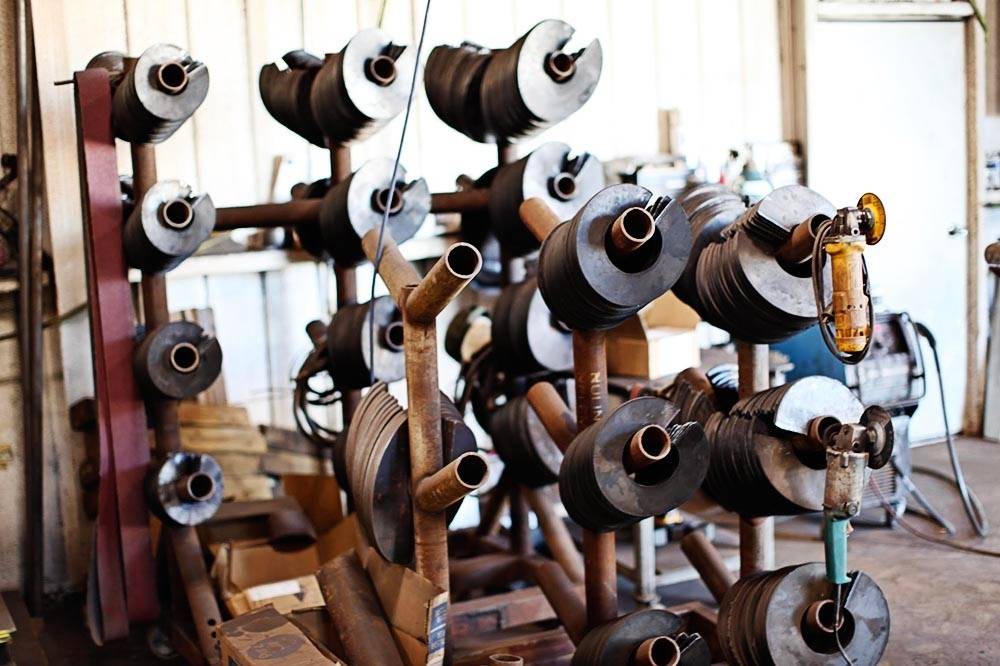
- Correlate helix size to design loads, not installation assumptions
- Ensure minimum helix spacing and depth-to-diameter ratios are respected
- Verify that torque indicates true bearing strata, not obstructions or transient hard layers
FnD Piers collaborates with engineers to ensure sizing aligns with both design loads and real-time field conditions.
Mistake 4: Ignoring Lateral Loads or High Water Table Conditions
Vertical load design is only one component of helical pier performance. Foundations often face significant lateral forces.
Sources of Lateral Loads
- Wind uplift
- Flood or storm surge
- Sloped terrain
- Retaining structures
- Decks or elevated walkways
- Seismic movement
If lateral loads are underestimated or ignored entirely, piers can shift, rotate, or lose axial capacity.
High Water Table Issues
- Soil softening or liquefaction
- Reduced frictional capacity
- Increased lateral displacement
- Corrosion concerns
Prevention
- Include lateral and moment loads in the engineering model
- Use tiebacks, bracing, or additional piers where needed
- Assess groundwater conditions during pre-construction
- Require the installer to document water level observations
FnD Piers routinely installs systems with full consideration of vertical, lateral, and environmental load paths.
Mistake 5: Hiring an Inexperienced Installer
The most preventable mistake is also the most common.
Red Flags
- No torque documentation
- No calibrated equipment
- No load testing
- No geotechnical review
- Deviating from engineering without consultation
What Engineers Should Require From Installers
- Torque logs for every pier
- Good documentation
- Installer certifications and training
- Proof of torque calibration
- Load test results when applicable
- Clear communication channels with engineering
How FnD Piers Protects Engineering Intent
- Certified installers trained in industry standards
- Field-level insights for rapid design adjustments
- Transparent documentation for the engineer’s record
- Proven commercial, industrial, and residential experience
When the installation team understands engineering, every pier performs better.
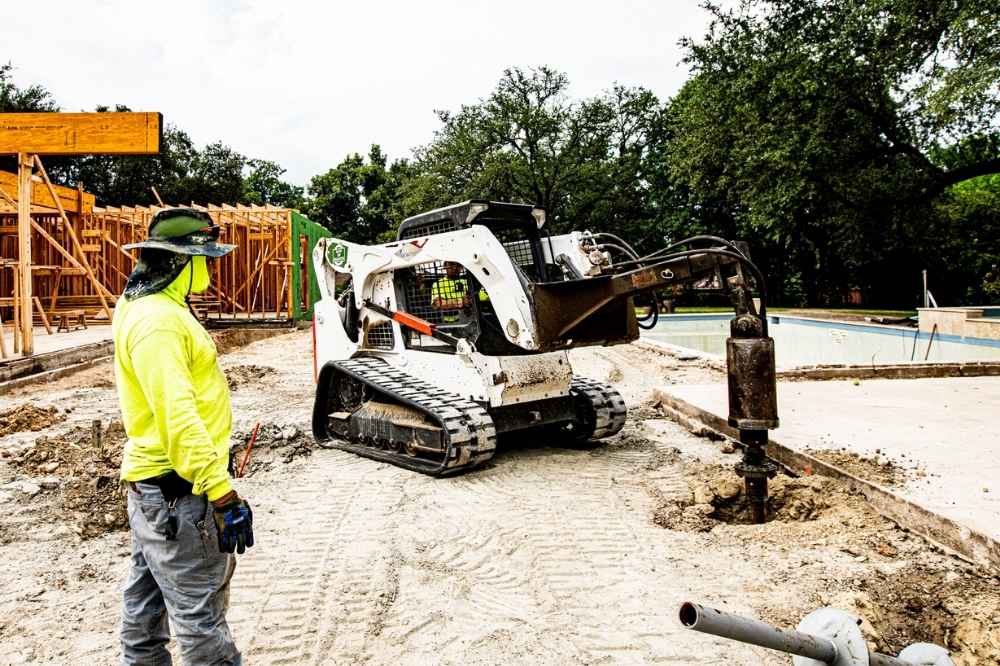
Summary Checklist for Engineers
Before approving a helical pier installation, confirm the contractor:
- ✓ Uses site-specific soils information
- ✓ Provides torque verification for every pier
- ✓ Confirms embedment depth matches capacity requirements
- ✓ Considers lateral loads and water table conditions
- ✓ Uses certified, trained, and insured crews
- ✓ Documents all installation data
- ✓ Engages with engineering throughout the process
This protects the structure, the owner, and the engineer of record.
Final Thoughts
Helical piers are incredibly effective when installed correctly but small errors create major structural risks. Engineers who understand these pitfalls can better oversee installations, improve design verification, and ensure long-term performance.
FnD Piers partners with engineers, contractors, and owners to deliver installations that meet or exceed the design intent every time.
Ready to Review a Project?
FnD Piers is available for engineering consultations, pre-construction reviews, and certified helical pier installation.
Contact us today for a site assessment or project quote. (817) 402-7113