
When designing or inspecting a commercial foundation system, verification is everything. That’s why helical pier load testing plays such a vital role. It’s not just a box to check for engineers and inspectors—it’s the process that ensures your foundation can carry the loads it’s designed for.
At FnD Piers, we provide professional helical pier installation and testing services across Texas and beyond. Here’s what you need to know about load testing and why it matters for your next project.
What Is Helical Pier Load Testing?
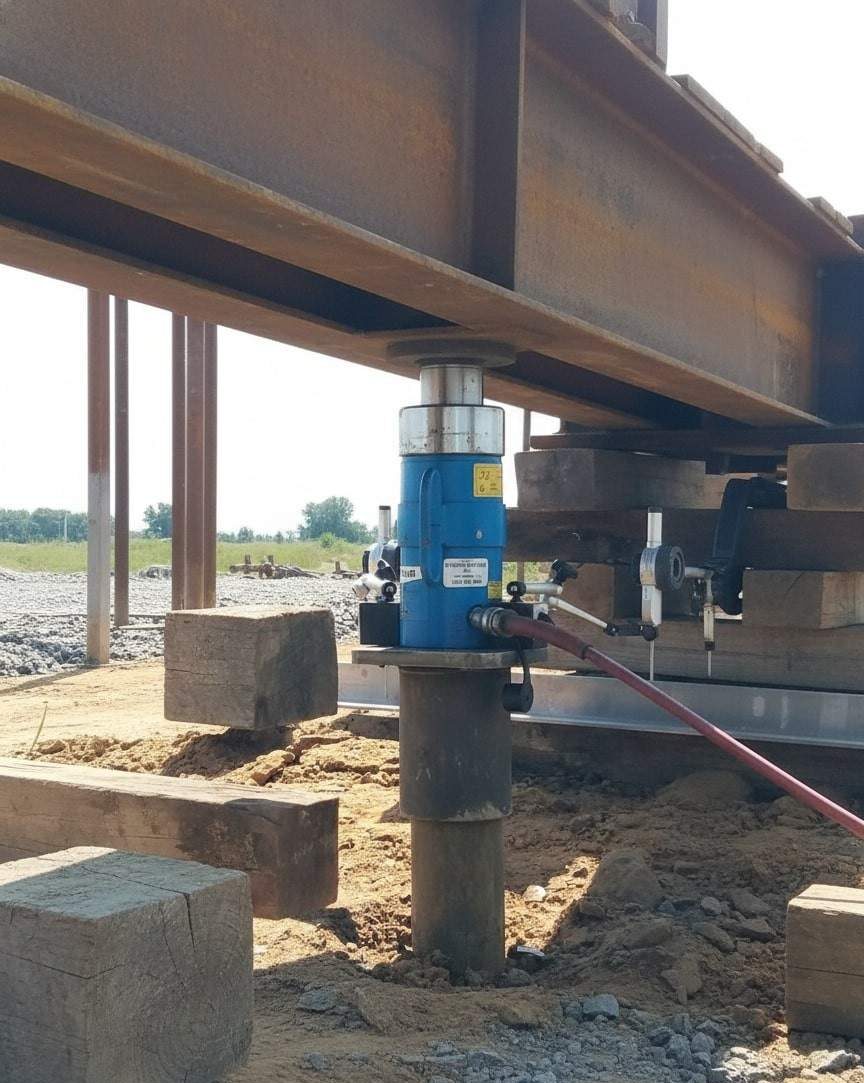
Helical pier load testing is the process of applying controlled loads to installed piers to confirm that they can safely support the required design loads.
There are two main types of load testing:
- Compression Testing – Measures how much weight a pier can support when pushed down (simulating the building load).
- Tension (Uplift) Testing – Measures how much resistance a pier provides when pulled upward (important in high-wind or seismic zones).
Both types of testing are performed using specialized hydraulic equipment and gauges that record movement and performance under load.
Why Helical Pier Load Testing Matters
1. Verifies Engineering Assumptions
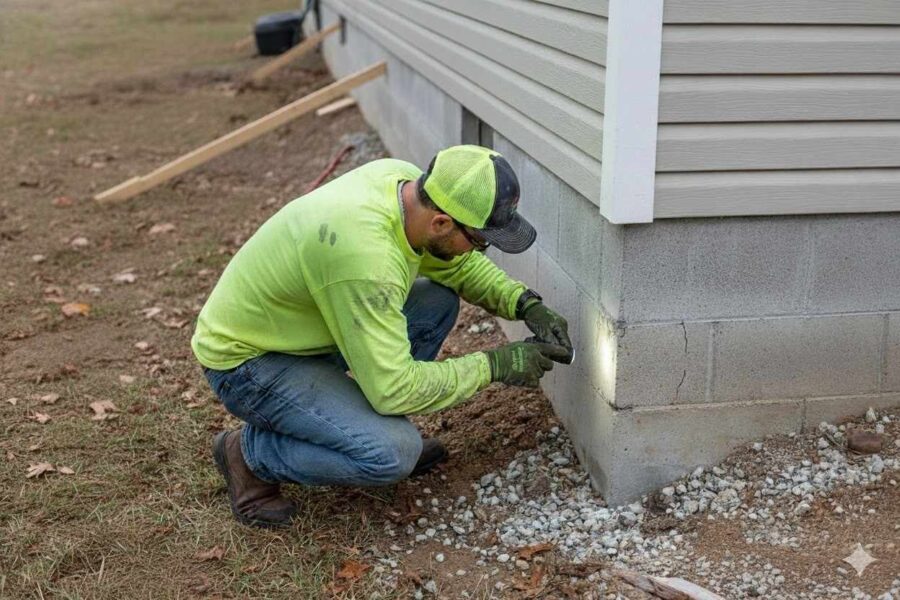
Soil reports and design calculations are important, but real-world conditions vary. Load testing confirms that installed piers perform to spec in actual site conditions.
2. Ensures Safety and Compliance
Building codes and engineering standards (like ICC-ES AC358) require proof of capacity. Load testing provides the documentation engineers and inspectors need for sign-off.
3. Minimizes Risk for Contractors
By confirming pier performance before construction progresses, load testing prevents costly failures or unexpected settlement later.
4. Builds Trust with Clients
Providing a load test log gives owners and developers confidence that their investment is secure on a verified foundation system.
How Load Testing Works (Step by Step)
- Select Test Piers – Typically, a percentage of installed piers are chosen for load testing.
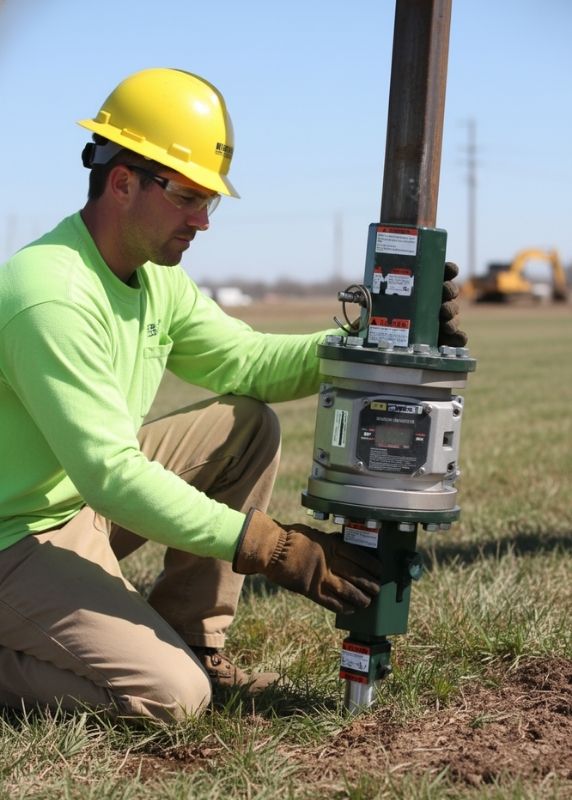
- Set Up Test Equipment – Hydraulic jacks, load cells, and reaction beams are positioned over the pier.
- Apply Incremental Load – Loads are applied gradually to simulate real-world conditions.
- Measure Deflection – Movement of the pier is recorded to ensure it remains within acceptable limits.
- Compare to Design Load – Results are matched against engineering specs to confirm compliance.
- Document the Test – FnD Piers provides a test report with charts, torque logs, and load data.
What You Get from FnD Piers
- Detailed Test Reports – With torque readings, load charts, and results
- Fast Turnaround – Testing and documentation completed on-site
- Engineer Collaboration – We work directly with engineers and inspectors
- Peace of Mind – Every pier system is verified, safe, and code-compliant
Get Verified Foundation Performance
Don’t leave your residential or commercial foundation to chance. Helical pier load testing ensures safety, compliance, and long-term stability.