Implementing helical pier soil testing is essential for ensuring successful pier installations, as it provides crucial insights into the soil conditions.
Implementing helical pier soil testing is essential for ensuring successful pier installations, as it provides crucial insights into the soil conditions. Additionally, helical pier soil testing helps in understanding the load-bearing capacity of the soil, enabling better design and execution of the pier installation process.
Before installing a single pier, the most important step you can take is to know what’s beneath your feet. Soil conditions change from one lot to another — sometimes within just a few yards. That’s why at FnD Piers, we don’t just rely on geotechnical reports; we verify them by drilling test holes.
Our real-world investigations have saved builders, engineers, and property owners thousands of dollars and weeks of delay by investigating and revealing the actual soil conditions — not the assumptions on paper — before installing helical piers.
By conducting thorough helical pier soil testing, we ensure that our clients are well-informed about the specific conditions affecting their projects.
This proactive approach includes helical pier soil testing to identify the true soil characteristics impacting pier installation.
This proactive approach includes helical pier soil testing to identify the true soil characteristics impacting pier installation, which is vital for avoiding future complications.
1. Why Soil Verification Beats Paper Reports
Helical piers transfer structural loads deep into the ground until they reach stable, load-bearing material. The only way to be sure those layers are where you expect them is to physically check.
Traditional bore logs from geotechnical reports are typically:
- Taken only once per 10,000 sq ft, which misses local variations.
- Often outdated, even by decades.
- At best, 60% accurate, leaving a 40% risk window for error.
Weather, water movement, and construction nearby can all alter soil conditions dramatically over time. Relying solely on old data can lead to design errors, change orders, or worst of all, foundation failure.
2. FnD Piers’ On-Site Soil Investigation Process
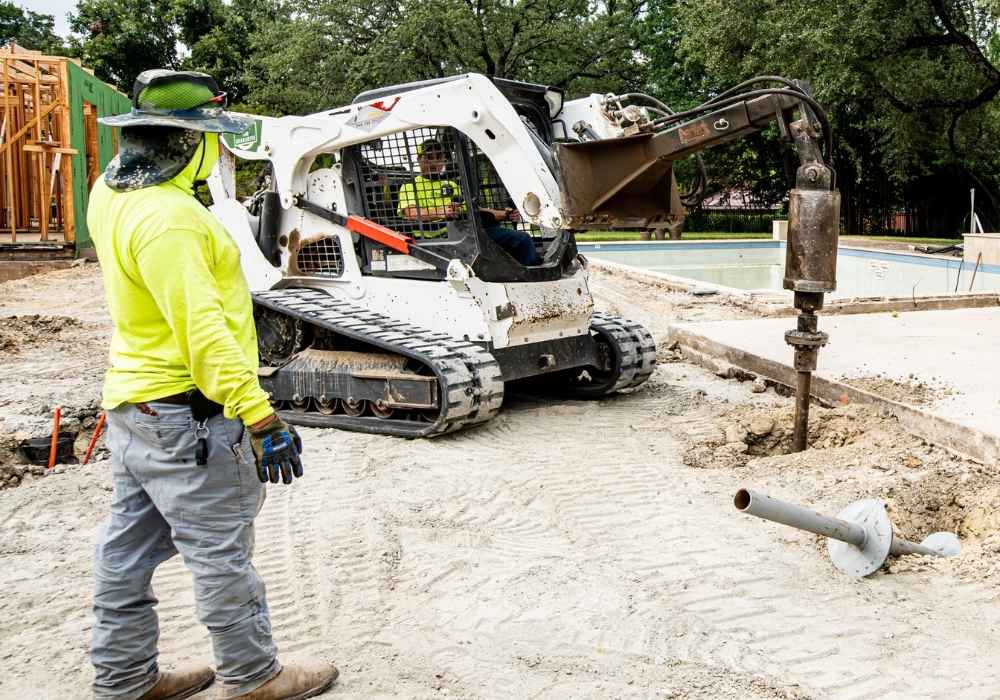
At FnD Piers, we’ve built our reputation on accuracy and collaboration. Every major project begins with drilling real test holes — typically 4 to 6 per pad — to provide engineers with updated, verifiable data.
Our 4-Step Verification Method
- Drill Free Test Holes – We provide complimentary test holes for qualified projects so you can make decisions based on fresh, site-specific data.
- Share Results with Engineers – We document every finding with torque logs, photos, and depth readings.
- Update Design Collaboratively – If our field data differs from the GEO report, we work directly with the engineer to adjust design depth, pier type, or load parameters.
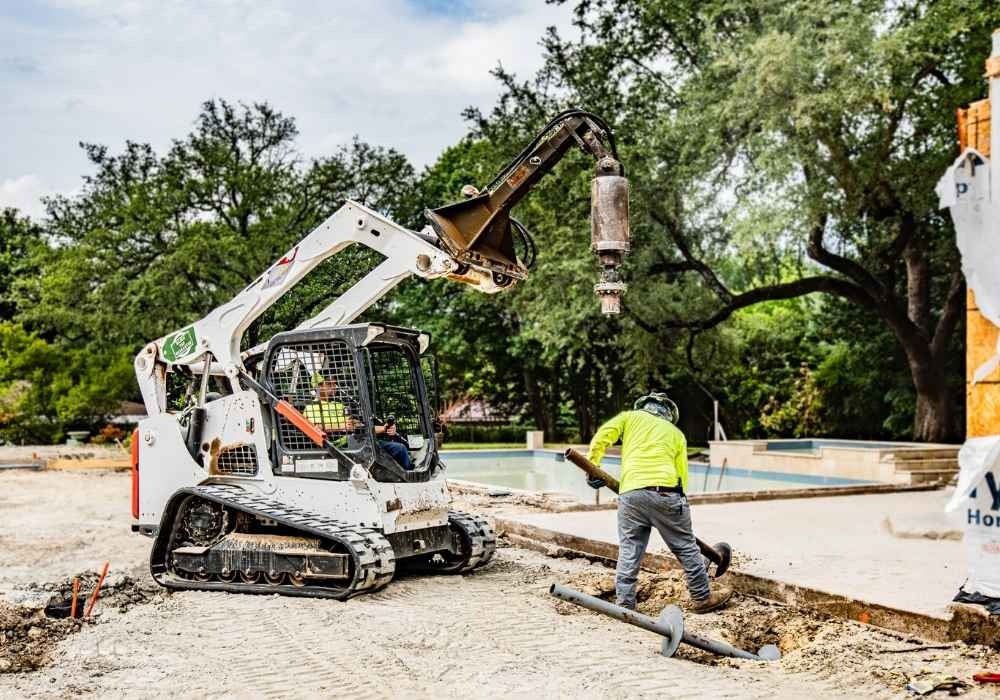
- Install with Confidence – Once approved, installation can often begin the same day because everyone is working from verified information.
This system removes guesswork, reduces redesigns, and accelerates project timelines which is a hallmark of the Next Day Helicals™ approach.
Conducting helical pier soil testing is crucial to ensure that the foundation can support the structure effectively.
Conducting helical pier soil testing is crucial to ensure that the foundation can support the structure effectively. This testing process gives a clearer picture of what to expect under the surface.
3. When GEO Reports Were Wrong and Test Holes Saved the Project
In one North Texas project, the engineer’s bore log recommended 20-foot helicals. When our team drilled test holes, we hit sandstone at 4 feet and achieved target torque by 12 feet.
We immediately shared the results and torque data with the engineer. Together, we reduced the design depth from 20 to 12 feet — saving two full days of drilling and thousands in materials
In another case, a site initially thought suitable for concrete piers was found to have hidden groundwater and soft layers. Our test holes revealed the problem before construction began, allowing the engineer to pivot to helical piers and avoid weeks of delay and costly rework.
These examples highlight what our founders, Norman & William Vaughan, emphasize in their Next Day Helicals book:
In another case, helical pier soil testing revealed hidden groundwater issues, prompting the shift to helical piers to avoid costly delays.
“We can’t know what’s underground until we dig. Bore logs may be outdated, but test holes tell the truth.”
4. How Soil Data Shapes Smarter Helical Pier Design
Once the soil conditions are confirmed, engineers can optimize:
- Helix configuration and diameter for the right torque-to-capacity ratio.
- Embedment depth based on real-world stratification.
- Corrosion protection for high-moisture or acidic soils.
- Material choice and installation method to match bearing strength.
This means fewer surprises, faster inspections, and foundations that perform for decades not just the duration of the warranty.
Engineers rely on accurate helical pier soil testing to make informed decisions, ensuring that each pier is designed with the best approach to support the structure.
5. The Payoff: Accuracy = Speed + Savings
When engineers and contractors build from verified soil data, projects finish faster and budgets stay intact.
- No unnecessary over-drilling.
- No weather-delayed concrete pours.
- No mid-project redesigns.
And because FnD Piers manufactures its own helical piers locally, we can move directly from test hole to installation — often the next day.
By incorporating helical pier soil testing into the planning phase, we can enhance project efficiency and reduce unforeseen challenges.
6. Build on Data You Can Trust
Skipping a soil investigation might save time at the start, but it can cost weeks at the end. Test holes give you confidence, clarity, and control over your foundation budget.
CALL US TODAY: (817) 670-4383 To Schedule Your Free Test Holes.
Our team will deliver updated soil insights, torque data, and recommendations so your foundation starts strong and finishes faster.