Texas is known for many things and expansive clay soils are one of the most challenging. In North Texas and across the DFW metroplex, expansive clay is a leading cause of foundation movement, cracking, and long-term structural damage. Choosing the right foundation system is critical, especially in regions where soil movement is unavoidable.
This is where helical piers for expansive soil have proven to be one of the most reliable solutions for expansive clay soils in Texas.
1. The Problem: Expansive Clay Soils in Texas
Much of North Texas sits on highly plastic clay soils that expand when wet and shrink when dry. These soil cycles are driven by rainfall patterns, droughts, irrigation, and drainage conditions.
Expansive clay is particularly problematic because:
- It changes volume seasonally
- Movement is uneven across a structure
- Surface soils are unstable year-round
- Moisture conditions are difficult to control completely
Even well-built structures can experience foundation distress when built on expansive clay without the right support system.
2. How Expansive Soils Impact Foundations
When clay absorbs moisture, it swells. When it dries, it contracts. Over time, this repeated movement creates stress on foundations.
Common Foundation Issues Caused by Expansive Clay
- Differential settlement
- Foundation heave
- Cracked slabs and grade beams
- Sticking doors and windows
- Sloping floors
- Separation between walls and ceilings
Traditional shallow foundations — including spread footings and slab-on-grade systems are especially vulnerable because they sit directly in the active moisture zone.

3. Why Helical Piers Are an Effective Solution for Expansive Soils
Helical piers are designed to bypass the unstable surface soils and transfer structural loads into deeper, more stable soil layers that are not affected by seasonal moisture changes.
Key Advantages of Helical Piers in Expansive Clay
- Deep load transfer: Piers extend below the active clay zone
- Immediate load capacity: No curing time required
- Minimal soil disturbance: Reduces further soil destabilization
- Predictable performance: Torque readings confirm capacity
- Adaptability: Suitable for residential, commercial, and structural retrofits
Because helical piers anchor into stable strata, they isolate the structure from the swelling and shrinking behavior of expansive clay soils.
4. Design Considerations with Helical Piers for Expansive Clay
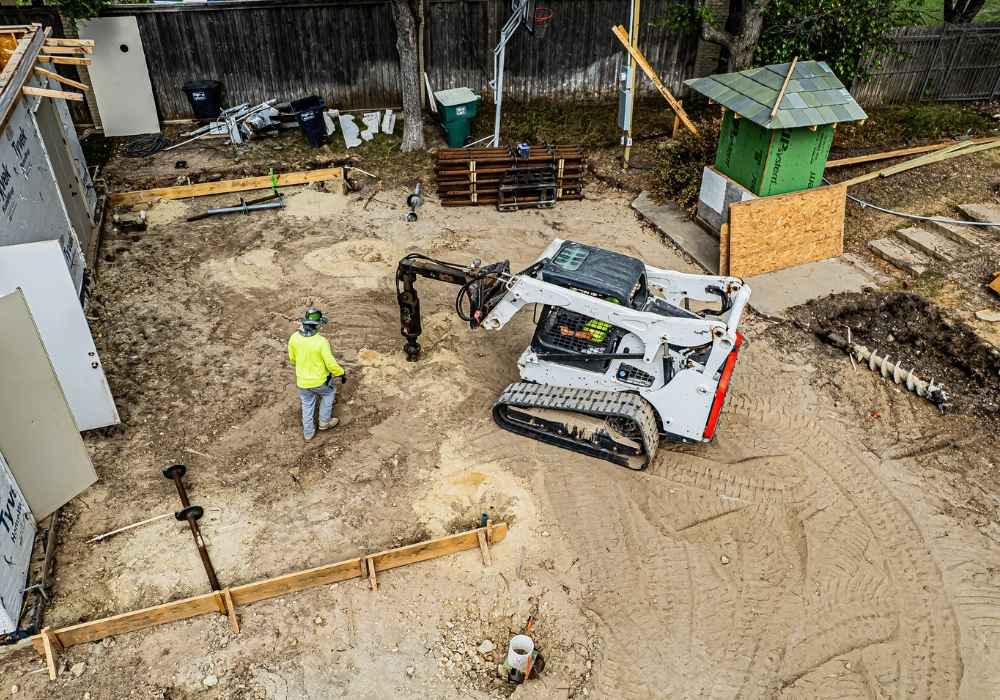
Designing helical piers for expansive clay environments requires careful engineering and field verification.
Embedment Depth
Piers must extend below the active moisture zone, which can range from several feet to more than 15 feet in Texas, depending on soil conditions.
Lateral Load Resistance
Expansive clay can exert lateral forces as it swells. Helical pier designs may need to account for:
- Lateral loads
- Uplift resistance
- Structural connections to grade beams or pile caps
Moisture Variability
Changes in drainage, landscaping, irrigation, or plumbing leaks can alter soil moisture patterns. Helical piers help mitigate these effects by anchoring below the zone most affected by moisture fluctuation.
Engineering Approval
All helical pier for expansive soil should be designed or reviewed by a licensed engineer to ensure compliance with load requirements and local building codes.
5. Expansive Clay Conditions in the DFW Region and FnD Piers’ Experience
The Dallas–Fort Worth area is one of the most expansive-clay-dominant regions in the country. Soil conditions can change dramatically within a short distance, making local experience essential.
At FnD Piers, expansive clay is not an exception. It is the norm.
How FnD Piers Handles Expansive Soils
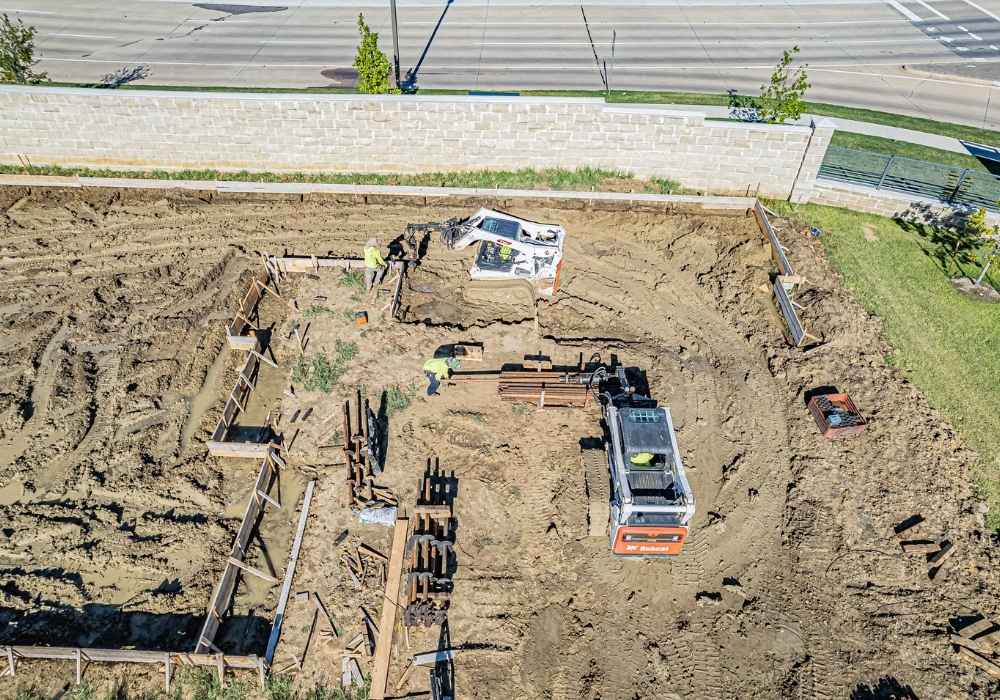
- Drilling test holes to verify real-time soil conditions
- Working directly with engineers to confirm embedment depth
- Adjusting helical pier configurations based on torque feedback
- Installing piers designed to perform below seasonal moisture influence
- Providing installation documentation and torque logs for verification
This field-driven approach ensures that each foundation solution is based on actual soil conditions, not assumptions.
6. Preventative Tips for Homeowners and Contractors
While helical piers provide long-term structural stability, good site practices help reduce future soil movement.
For Homeowners
- Maintain consistent moisture levels around the foundation
- Ensure proper drainage away from the structure
- Repair plumbing leaks promptly
- Avoid drastic changes in landscaping near the foundation
For Contractors
- Do not rely solely on outdated soil reports
- Verify embedment depth during installation
- Coordinate closely with engineers
- Use experienced installers familiar with expansive clay conditions
Preventative measures combined with a deep foundation system significantly reduce long-term risk.
7. Summary: A Proven Solution for Expansive Clay in Texas
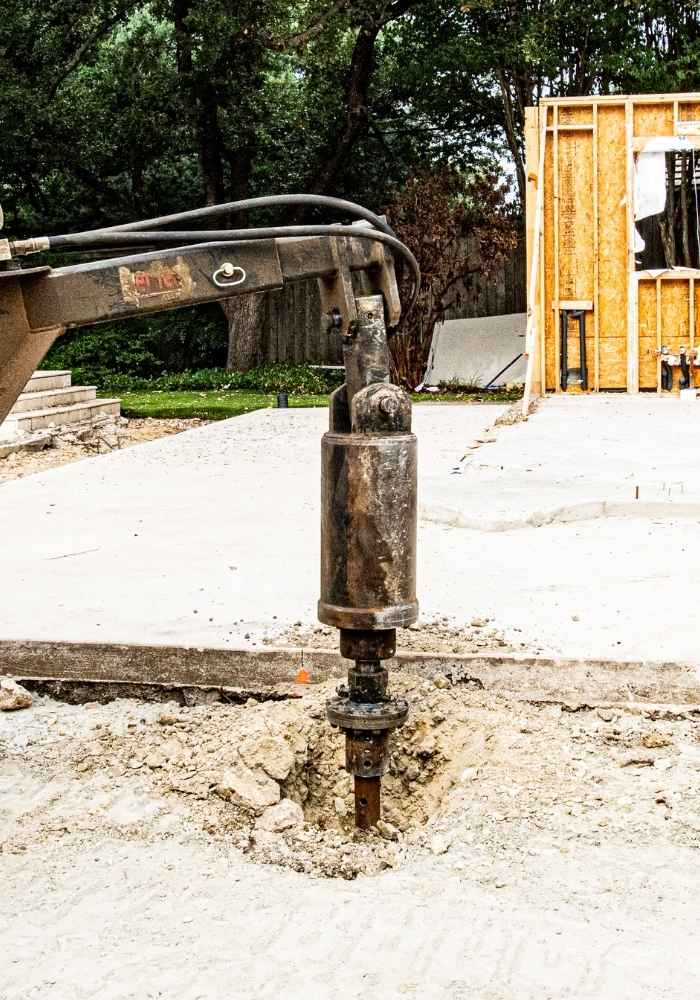
Expansive clay soils are a reality in North Texas but foundation failure doesn’t have to be. Helical piers provide a proven, engineered solution that bypasses unstable soils and delivers reliable long-term performance.
By anchoring structures below the active moisture zone, helical piers minimize the effects of soil expansion and contraction, making them ideal for Texas conditions.
FnD Piers brings regional expertise, engineering collaboration, and field-verified installation practices to every project, ensuring foundations built to last in expansive clay environments.
Contact FnD Piers
If you’re building or repairing a structure in expansive clay soil, contact FnD Piers to discuss a helical pier solution designed for North Texas conditions.