High-water-table zones and flood-prone areas pose serious challenges for foundations in North Texas. When saturated soils shift, weaken, or erode, traditional shallow foundation systems often fail — leading to costly structural issues and repeated repairs. Fortunately, helical piers in flood zones offer a dependable, engineered solution designed to perform exceptionally well in saturated or unstable conditions.
Here’s what property owners, engineers, and builders should know about using helical piers in flood zones and areas affected by groundwater and flooding.
1. The Regional Challenge: Water + DFW Soil
North Texas soils predominantly have expansive clay and already create challenges because they swell when wet and shrink when dry. Add a high water table, seasonal storms, or flood-prone lot conditions, and the soil becomes even more unpredictable.
Typical challenges include:
- Soil softening after prolonged saturation
- Increased hydrostatic pressure against foundations
- Higher risk of settlement or heave
- Erosion around shallow footings
- Unstable ground during or after rainfall
These severe conditions make it critical to use a foundation system that extends beyond the active moisture zone and reaches stable, load-bearing soil, which is why solutions like helical piers in flood zones are often required. Choosing helical piers in flood zones ensures your structure is anchored deep into competent strata, bypassing these surface instabilities.
2. How High Water Tables and Flooding Affect Foundations
Water is one of the most destructive forces acting on soil and structural foundations.
Hydrostatic Pressure
Rising groundwater pushes against walls and slabs, leading to cracking, bowing, or shifting.
Reduced Soil Bearing Capacity
Saturated clay loses its ability to support weight, causing shallow foundations to settle or sink.
Erosion and Undermining
Flowing or standing water can wash away soil supporting footings.
Wet-Dry Cycles
When soil repeatedly expands and contracts, it stresses the structure and causes long-term instability.
Flood-prone areas experience these problems more frequently — making foundation choice critical to structural longevity.
3. Why Helical Piers Perform Exceptionally Well in Saturated Soils
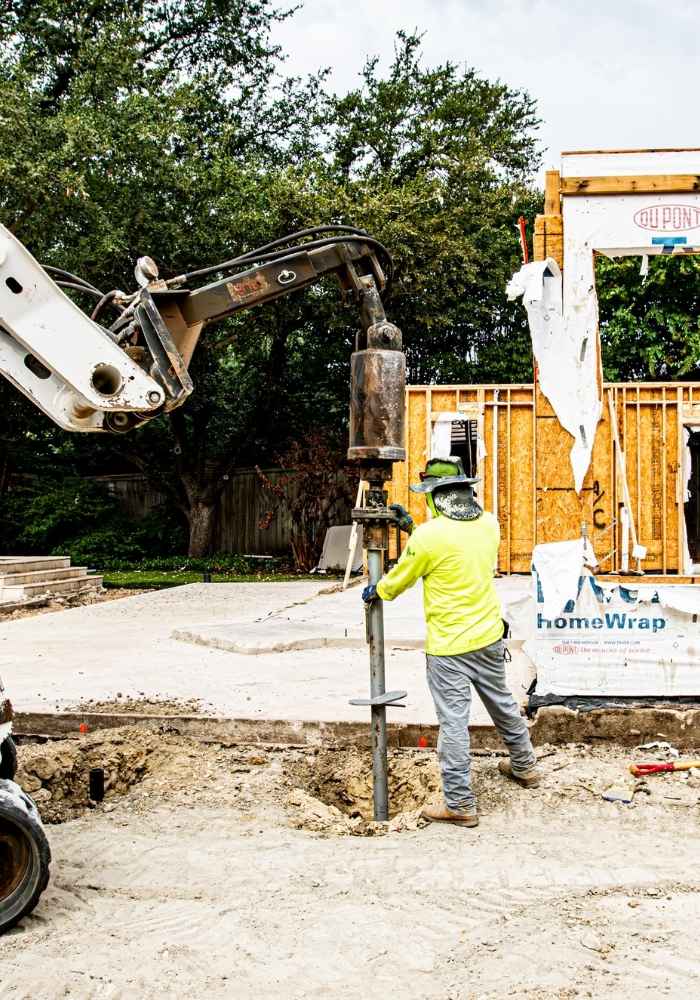
Helical piers are engineered to bypass the unstable upper soil layers and anchor into deeper, more stable strata. This makes them especially reliable in wet or flood-influenced environments.
Key Advantages
- Deep Embedment: They anchor far below seasonal moisture fluctuations.
- Immediate Capacity: No curing time required; load-bearing is verified instantly.
- Minimal Soil Disturbance: Reduces risk of erosion or soil collapse during installation.
- Predictable Performance: Torque readings confirm actual load capacity even in wet soil.
Because of these characteristics, helical piers maintain structural stability even when the upper soil layers are weak or saturated.
4. Corrosion Protection & Material Choices
In high-water-table areas, long-term corrosion protection is essential. Helical piers used in these environments come with site-appropriate protective measures.
Standard Protection Options
- Hot-dip galvanization on shafts and helices
- Epoxy or polymer coatings
- Higher-grade steel materials for aggressive environments
- Cathodic protection for industrial or extreme conditions
FnD Piers evaluates soil conditions, moisture levels, and environmental exposure to ensure each project uses the correct level of corrosion resistance.
5. Common Real-World Conditions
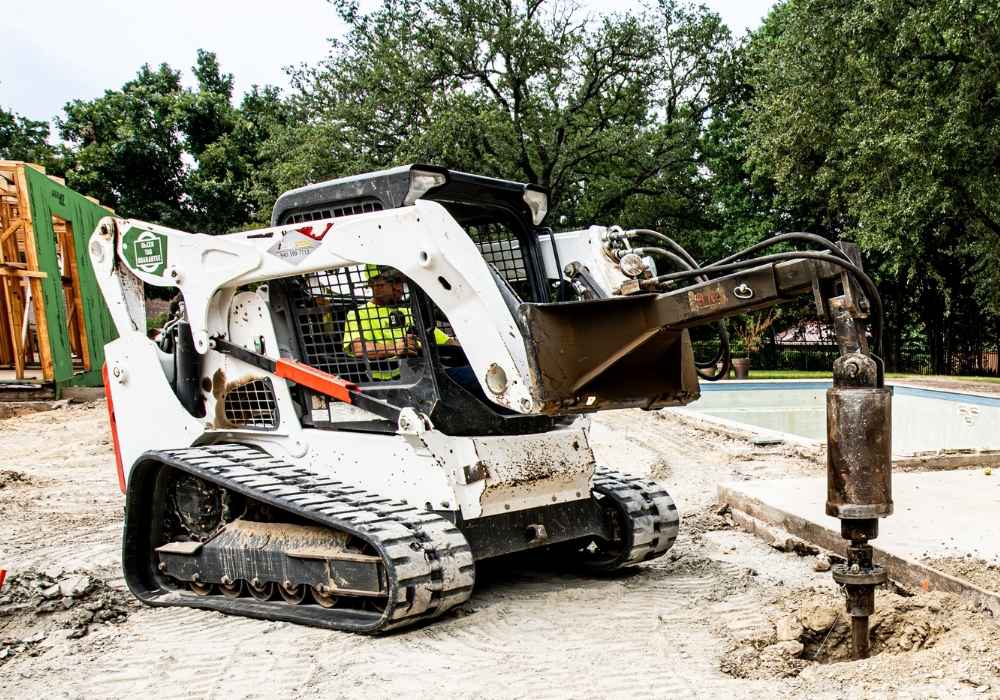
Here are real-world soil and environmental conditions where helical piers are known to excel especially across North Texas:
Situation: Properties Built Near Drainage Paths or Low-Lying Areas
Seasonal soil saturation makes shallow foundations highly vulnerable.
Helical Pier Benefit: They bypass weak surface soil and anchor into deeper layers unaffected by moisture.
Situation: Construction Sites That Encounter Groundwater During Excavation
In many DFW zones, groundwater sits just a few feet below grade during wet seasons.
Helical Pier Benefit: Installation continues without costly dewatering since helicals achieve capacity even in wet conditions.
Situation: Repeated Soil Movement Due to Wet-Dry Cycles
Areas with poor drainage experience constant expansion and contraction.
Helical Pier Benefit: Deep anchoring isolates the structure from surface soil movement, reducing long-term settlement.
Situation: Retaining Structures Facing Hydrostatic Pressure
Flood-prone properties often experience lateral pressure on retaining walls.
Helical Pier Benefit: Helical anchors provide lateral resistance and reduce failure risk in saturated soil.
These conditions reflect everyday realities in North Texas and demonstrate why engineers frequently recommend helical piers for water-influenced sites.
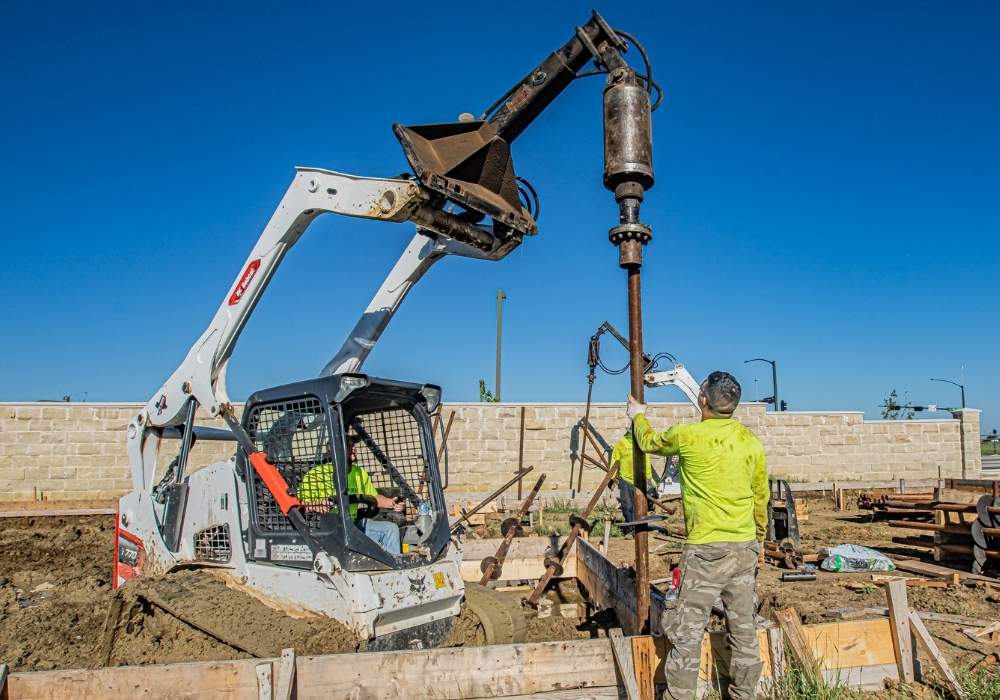
6. Best Practices for Installing Helical Piers in Flood-Prone Areas
Ensuring long-term performance requires following industry best practices:
- Drill Fresh Test Holes
Never rely solely on outdated bore logs. Updated soil insights ensure the correct product selection and depth. - Engineer-Approved Designs
Flood-zone installations must consider:
- Moisture influence depth
- Corrosion protection
- Lateral loads
- Proper embedment depth
3. Proper Drainage Integration
Even with piers, controlling water flow around the structure prevents future issues.
4. Experienced Installers Only
Flood-prone areas require precision. Crew experience directly impacts pier performance.
FnD Piers follows strict engineering-driven processes to ensure stability in water-challenged environments.
7. Conclusion: Reliability in Every Soil Condition
Whether your project is near a creek, in a neighborhood with drainage challenges, or on a lot with a naturally high water table, helical piers offer a dependable solution. Their deep embedment, corrosion resistance, and verified load capacity make them particularly effective where moisture poses a risk to traditional foundation systems.
FnD Piers brings regional expertise, engineering collaboration, and a proven installation process to ensure long-term stability, no matter the water level.
Contact us today for a site assessment or project quote.(817) 402-7113