When evaluating foundation solutions, many property owners and builders focus on the initial price tag. But foundations are long-term structural investments, and the true cost is revealed over time through maintenance, repairs, downtime, and disruption.
In North Texas, where expansive clay soils and moisture variation are common, the choice between helical piers and traditional concrete footings can significantly impact your total cost of ownership over the next decade. This breakdown of Helical Piers vs. Concrete Footings Cost and the comparison of helical piers vs concrete footings cost is essential for understanding your investment.
Helical Piers vs. Concrete Footings Cost
1. Cost Is More Than First Glance
At first glance, concrete footings often appear less expensive than helical piers. However, that comparison typically ignores:
- Installation time
- Soil-related risk
- Maintenance and repairs
- Project delays
- Long-term performance
When these factors are included, the cost gap narrows — and in many cases, reverses.
When considering the helical piers vs concrete footings cost, it is important to take a long-term view. Initial prices may mislead you into thinking one option is significantly cheaper than the other.

2. Up-Front Costs: Materials, Labor, and Equipment
Traditional Concrete Footings
Up-front costs typically include:
- Excavation
- Formwork
- Rebar
- Concrete materials
- Pouring and finishing
- Curing time
In North Texas, concrete footing installation often ranges lower on paper, especially for shallow foundations. However, this price assumes ideal soil conditions, which are rarely guaranteed in expansive clay regions.
Helical Piers
Helical pier costs include:
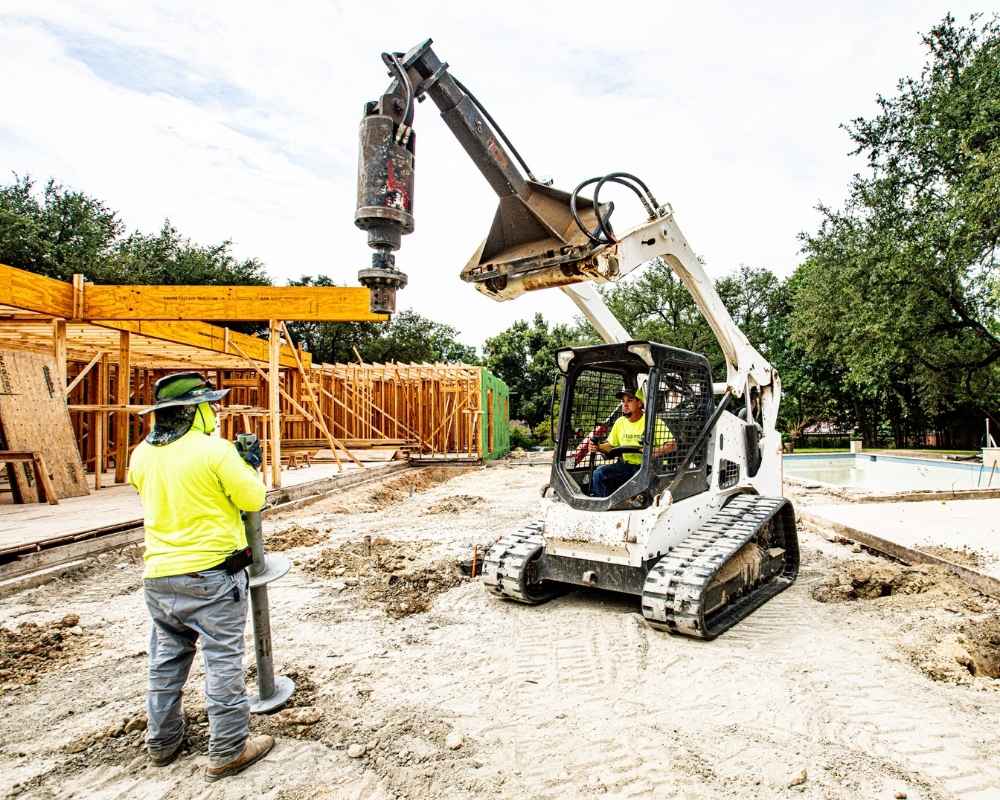
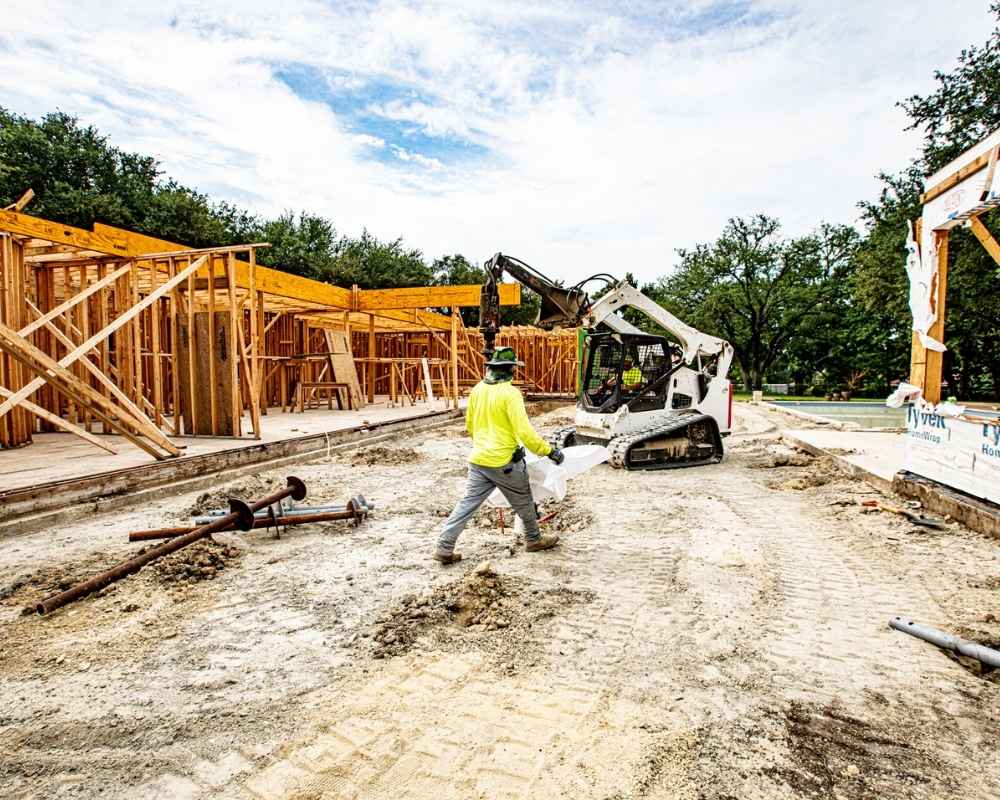
- Steel pier shafts and helices
- Hydraulic installation equipment
- Engineering design and verification
- Torque monitoring
Helical piers generally have a higher initial cost per unit, but fewer piers may be required depending on load distribution and soil depth. More importantly, capacity is verified during installation, reducing uncertainty.
Understanding the helical piers vs concrete footings cost can help you make informed decisions, especially when considering long-term stability and maintenance.
3. Installation Time and Site Disruption
Concrete Footings
- Require excavation and soil removal
- Often need dewatering in wet conditions
- Require curing time before loading
- Can delay subsequent trades
Weather delays, soil collapse, or failed inspections can extend schedules by days or weeks.
Helical Piers
- Installed with minimal excavation
- No curing time — immediate load capacity
- Can be installed in a wider range of weather conditions
- Faster inspections due to torque verification
For builders, time savings directly translate into cost savings by keeping projects on schedule.
In many cases, the helical piers vs concrete footings cost comparison reveals that potential long-term savings can outweigh initial expenses.

4. Maintenance and Repair Costs Over 10 Years
Concrete Footings
Over a 10-year period in expansive clay soil, common costs may include:
- Crack repairs
- Settlement correction
- Drainage improvements
- Underpinning or remediation
These costs are often reactive and unpredictable.
Helical Piers
Helical piers are designed to:
- Bypass unstable surface soils
- Anchor into deeper, stable strata
- Reduce movement caused by moisture changes
Maintenance costs are typically minimal when installed correctly and supported by proper drainage.
When evaluating your choices, remember that the helical piers vs concrete footings cost is affected by many factors, including installation and the condition of the soil.
5. Hidden Costs That Add Up
Beyond visible repair bills, hidden costs often impact total ownership cost.
Concrete Footings Hidden Costs
- Landscaping restoration after excavation
- Interior damage from settlement
- Downtime during repairs
- Lost rental or operational income
- Re-inspections and redesign
Helical Piers Hidden Cost Advantages
- Minimal disturbance to landscaping
- Less invasive installation
- Reduced likelihood of future foundation intervention
- Lower risk of structural downtime
These indirect savings are frequently overlooked but they matter.
6. Anonymized Cost Comparison Example (North Texas)
Below is a generalized example reflecting typical North Texas conditions for a mid-sized structural support scope.
- Concrete Footings
- Initial installation: Lower
- Repair and maintenance over 10 years: Moderate to high
- Schedule delays and disruption: Moderate
- Total 10-year cost: Higher than expected
- Helical Piers
- Initial installation: Higher
- Repair and maintenance over 10 years: Low
- Schedule delays and disruption: Minimal
- Total 10-year cost: Often lower or comparable
This pattern is especially common in areas with expansive clay, variable moisture, or poor drainage.
Though helical piers vs concrete footings cost may initially suggest one option is cheaper, unforeseen expenses often arise with traditional footings.
7. 10-Year Cost Comparison Summary
Cost Factor | Concrete Footings | Helical Piers |
Up-front cost | Lower | Higher |
Installation speed | Slower | Faster |
Weather sensitivity | High | Low |
Soil risk | High | Low |
Maintenance over 10 years | Moderate–High | Low |
Landscaping disruption | High | Minimal |
Lifecycle predictability | Low | High |
Key takeaway: Helical piers offer greater cost predictability and lower long-term risk, which often results in a stronger return on investment over 10 years.
This data supports a comprehensive understanding of the helical piers vs concrete footings cost over the lifespan of your foundation.
8. Conclusion: Long-Term Value Beats Short-Term Savings
Choosing a foundation solution based solely on up-front cost can be expensive in the long run especially in North Texas soil conditions. While concrete footings may appear cheaper initially, the cumulative cost of repairs, delays, and disruption often outweighs the savings.
Helical piers provide:
- Faster installation
- Verified load capacity
- Reduced long-term maintenance
- Greater protection against soil movement
When evaluated over a 10-year period, helical pier systems frequently deliver better value and lower total cost of ownership.
Ready to Evaluate the Right Foundation for Your Project?
FnD Piers specializes in foundation solutions designed specifically for North Texas soils. Our team verifies soil conditions, collaborates with engineers, and installs helical piers with precision and transparency.
Schedule a consultation today: Call (817) 402-7113
Build for today. Plan for the next 10 years. Build with FnD Piers.