
When planning a large-scale commercial project, one of the most critical decisions engineers and general contractors face is the choice of deep foundation system. Two of the most common options are helical piles (also called helical piers) and driven piles. Both provide strong, stable foundations—but the right choice depends on project size, soil conditions, and schedule requirements. When considering these options, it’s essential to understand the differences highlighted in the discussion of straight shaft vs helical piles. In this post, we will explore each option in detail, providing insights on their practical applications and how they influence the success of construction projects.
Understanding the differences between straight shaft vs helical piles is crucial for making informed decisions.
At FnD Piers, we help commercial builders, engineers, and developers evaluate foundation solutions that balance speed, cost, and performance.
As construction demands evolve, understanding the nuances between foundation options becomes crucial. In particular, the choice between straight shaft vs helical piles can significantly impact project timelines, budgets, and overall project integrity. This post delves deeper into the technical aspects and real-world implications of these foundational choices.
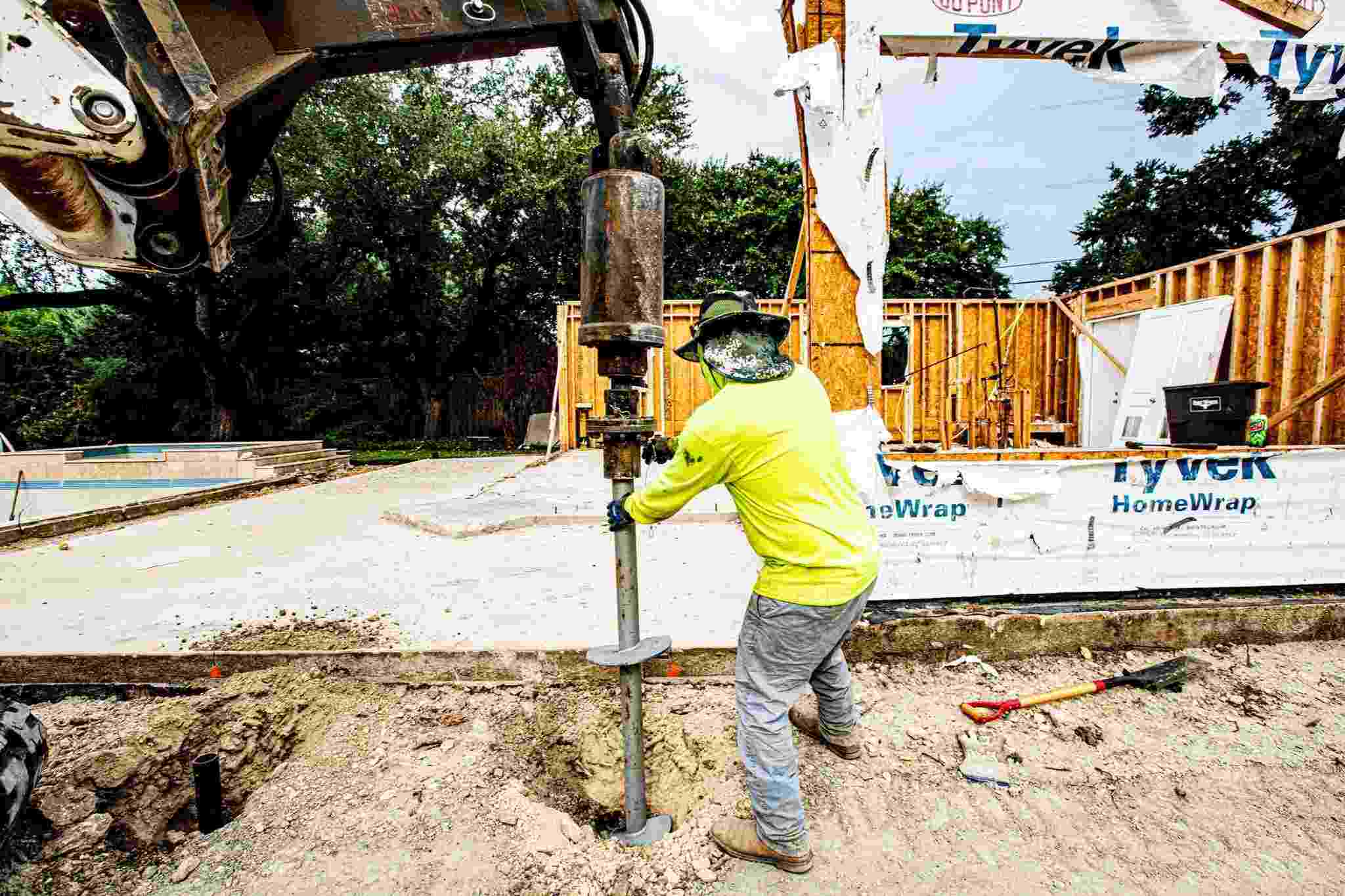
What Are Driven Piles?
Driven piles are long steel, concrete, or timber elements that are hammered into the ground using impact hammers or vibratory drivers. They’re widely used in heavy civil and industrial projects.
Advantages:
- High load capacity in dense soils
- Well-established method for decades
- Effective for bridges, ports, and offshore projects
Disadvantages:
- Requires heavy equipment and large staging areas
- High noise and vibration—disruptive in urban settings
- Soil displacement and potential damage to nearby structures
- Longer installation time compared to helical systems
What Are Helical Piles?
Helical piles are steel shafts with helical plates that are screwed into the ground using hydraulic drive heads. Torque monitoring ensures the pier reaches stable load-bearing strata.
Advantages:
- Fast installation with compact equipment
- Immediate load capacity—no curing required
- Minimal noise and vibration (ideal for urban areas)
- Effective in expansive soils, sand, and soft ground
- Can be installed in tight access areas or interior spaces
Disadvantages:
- Lower load capacity in very dense soils compared to driven piles
- Material cost per pile can be higher (but offset by lower labor costs)
The effectiveness of both systems can vary, highlighting the importance of understanding straight shaft vs helical piles.
Driven piles have been a staple in foundation engineering for decades and are especially revered for their load-bearing capabilities. However, their installation process can be labor-intensive and disruptive. For instance, in urban settings, where noise and vibration can lead to community pushback, the installation process might require careful planning to mitigate disturbances. Projects in such environments may lead to considerations that favor helical piles due to their quieter installation.
Straight Shaft vs Helical Piles: A Deeper Look
Let’s take a closer look at the implications of straight shaft vs helical piles in modern construction.
In contrast, helical piles offer a modern alternative, particularly beneficial in challenging soil conditions. Their ability to be installed in tight spaces makes them ideal for urban construction where real estate is at a premium. For example, in a recent commercial project, helical piles allowed for the rapid stabilization of a building on expansive clay, where traditional driven piles might have faced significant challenges.
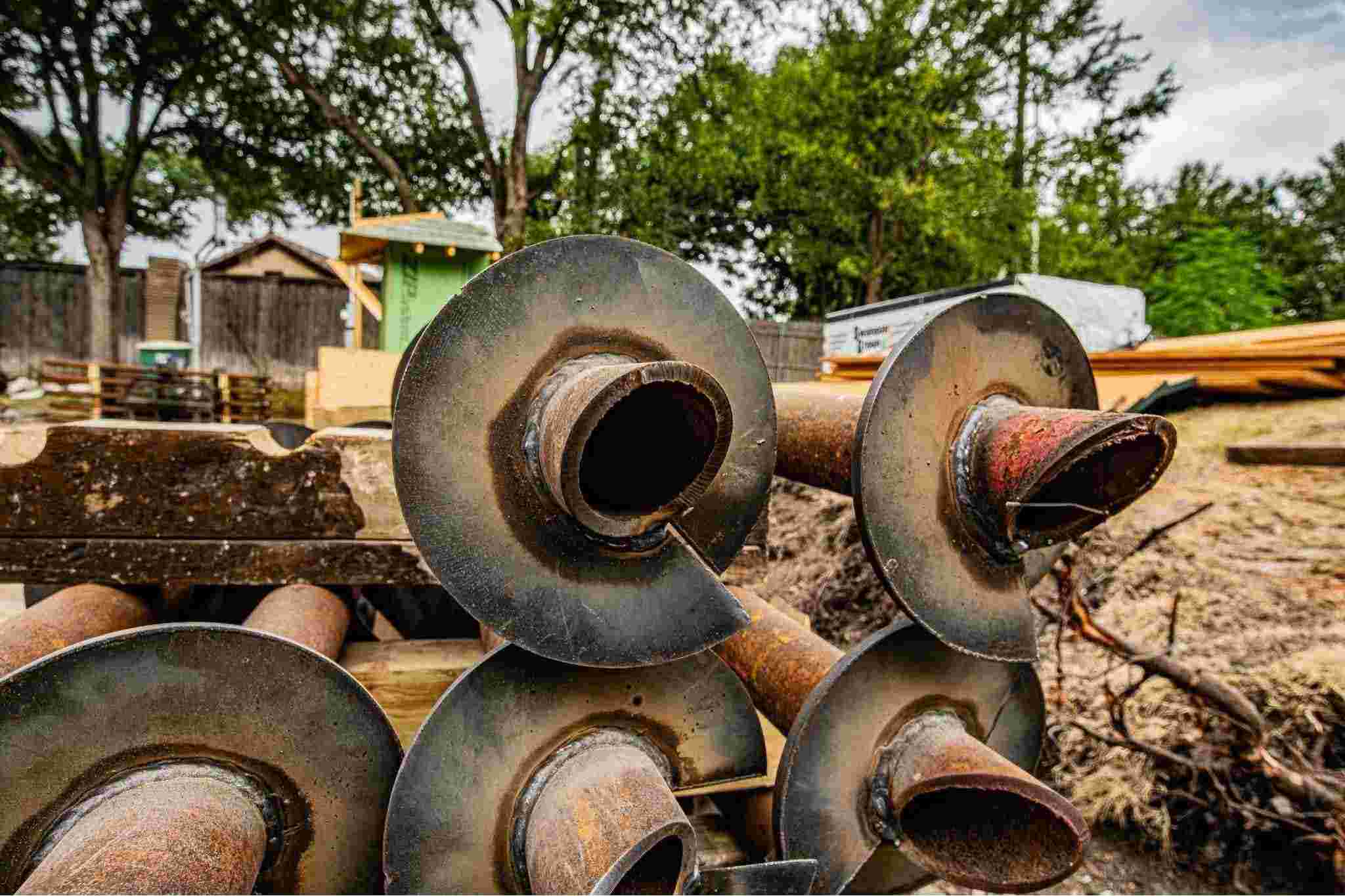
Driven v straight shaft vs helical piles: Key Comparisons
|
Feature |
Driven Piles | Helical Piles |
|---|---|---|
|
Installation Speed |
Slower, requires curing/delay, heavy equipment | Fast, minimal equipment, immediate capacity |
| Noise & Vibration | High—disturbs surrounding structures | Very low, urban-friendly |
| Soil Impact | Significant displacement, soil densification | Minimal displacement |
| Load Capacity | Extremely high in dense soils | Strong, torque-verified, all soils |
| Site Access | Requires large access and staging area | Tight spaces, interiors, retrofits |
| Cost | Higher labor cost, slower setup | Lower labor cost, efficient installation |
When comparing the two, it’s essential to assess specific project requirements. For instance, a project requiring deep foundations in an area known for high seismic activity may lean towards driven piles due to their proven track record in such settings. However, helical piles rapidly gain favor in locations with varying soil types, providing flexibility and reliability.
Moreover, environmental implications play a critical role in decision-making. Driven piles, while effective, can lead to significant soil disturbance, which might not align with sustainability goals on certain projects. Conversely, helical piles’ minimal soil displacement makes them an environmentally friendly option, appealing to developers looking to reduce their carbon footprint.
When to Choose Helical Piles
- Commercial projects in urban or noise-sensitive areas
- Tight deadlines requiring fast installation
- Sites with expansive clay, sand, or unstable soils
- Projects requiring retrofits or repairs with minimal disruption
When to Choose Driven Piles
- Large-scale infrastructure like bridges, ports, or offshore platforms
- Extremely heavy loads where maximum capacity is needed
- Projects with wide-open sites where noise and vibration are not an issue
When comparing the two, it’s essential to assess specific project requirements. For instance, a project requiring deep foundations in an area known for high seismic activity may lean towards driven piles due to their proven track record in such settings. However, helical piles rapidly gain favor in locations with varying soil types, providing flexibility and reliability.
Moreover, environmental implications play a critical role in decision-making. Driven piles, while effective, can lead to significant soil disturbance, which might not align with sustainability goals on certain projects. Conversely, helical piles’ minimal soil displacement makes them an environmentally friendly option, appealing to developers looking to reduce their carbon footprint.
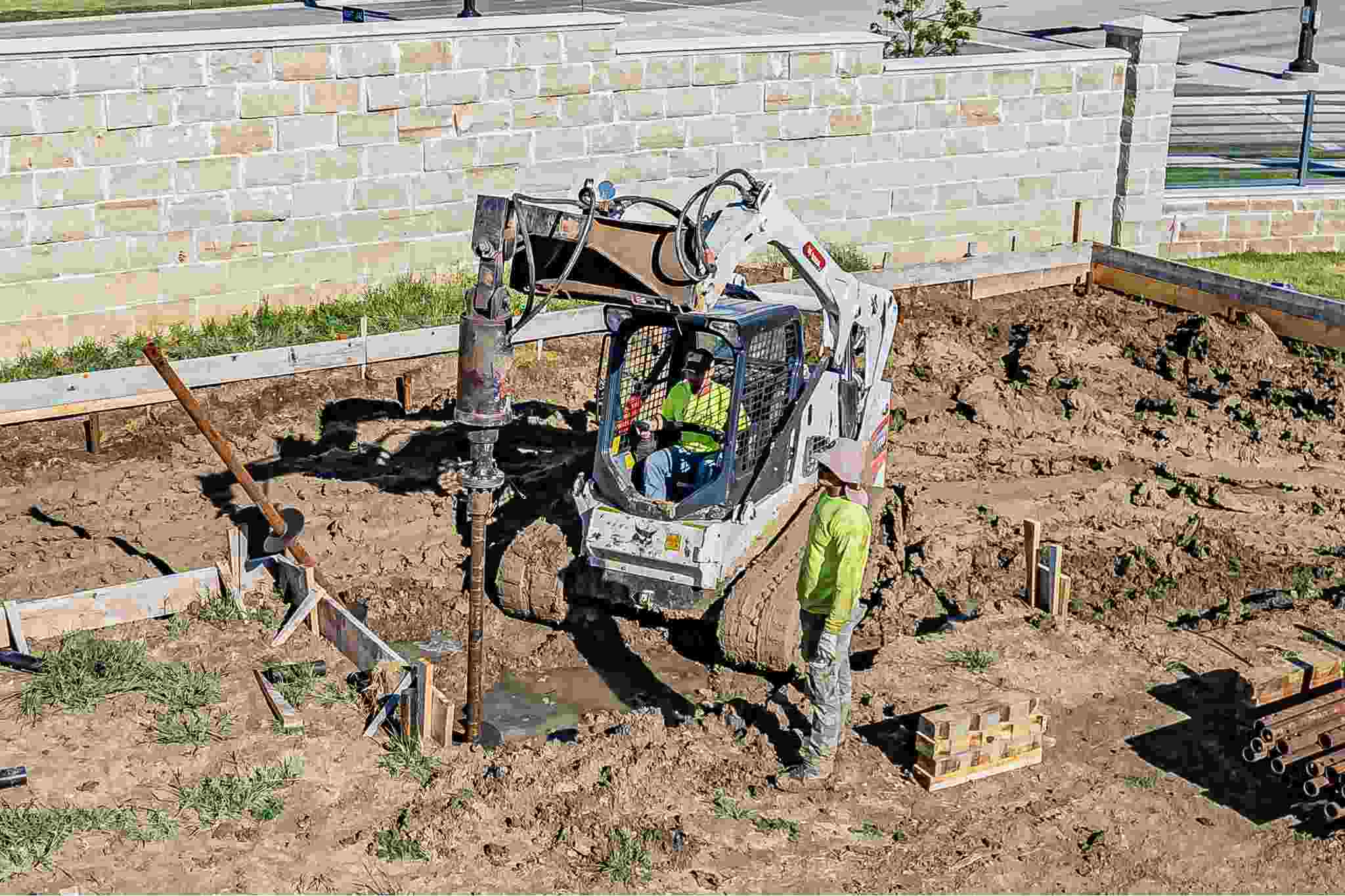
The Bottom Line: Efficiency vs. Capacity of straight shaft vs helical piles
Both systems have their place in commercial construction. Driven piles excel in massive, open-site projects with very heavy loads. Helical piles, however, are often the smarter choice for time-sensitive, urban, or soil-challenged commercial builds.
Build Smarter with FnD Piers
At FnD Piers, we specialize in helical pile installation for large-scale commercial projects. Our process combines speed, precision, and engineering confidence to keep your project moving forward.