When homeowners, builders, or engineers research foundation repair solutions, one of the most common questions is: how deep do helical piers go?
Helical piers are one of the most effective deep foundation solutions used to stabilize structures, support new construction, and prevent foundation settlement. Their depth is one of the key factors that determines how well they perform.
At FnD Piers, we install engineered helical pier systems across Dallas–Fort Worth and North Texas, helping property owners stabilize foundations by transferring structural loads to stable soil layers deep below the surface.
In this guide, we explain how deep helical piers typically go, what determines their depth, and why depth matters for foundation stability.
What Is a Helical Pier?
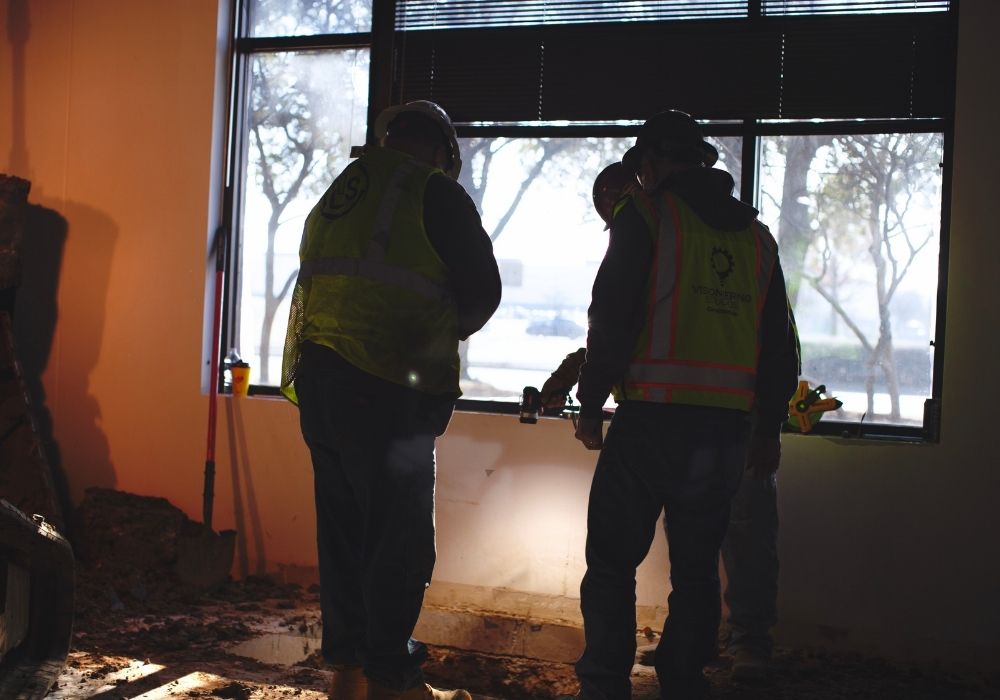
A helical pier (also called a screw pile or helical anchor) is a deep foundation element made from high-strength steel with one or more spiral plates attached to the shaft.
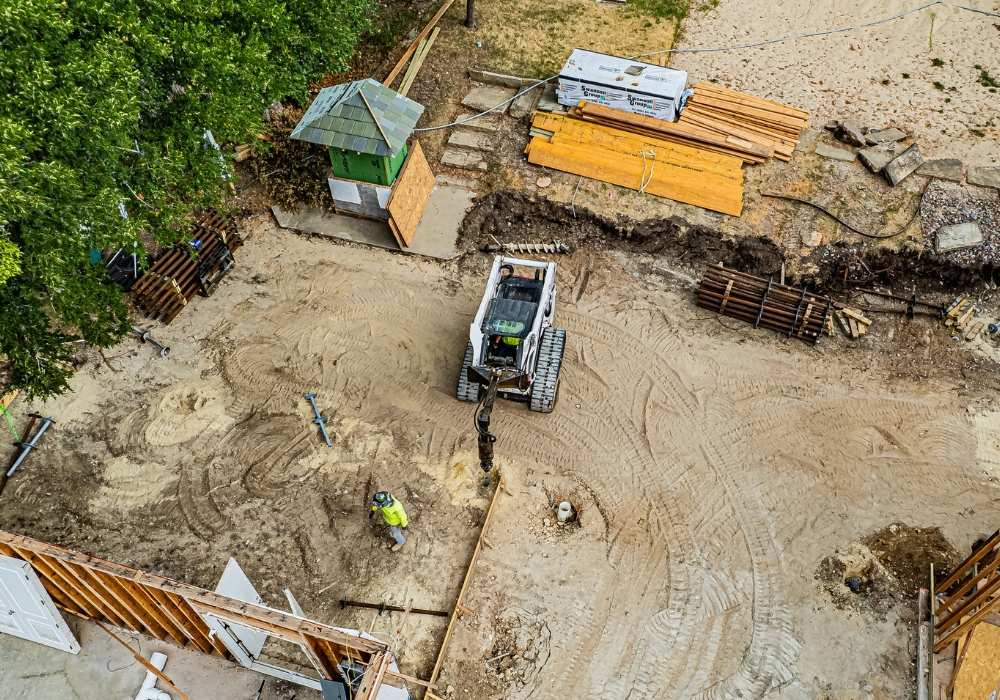
These spiral plates allow the pier to be screwed into the ground using hydraulic equipment, similar to a large screw being installed into wood.
Once installed to the correct depth, the pier transfers the weight of the structure away from unstable surface soil and into deeper, load-bearing soil layers.
Helical piers are commonly used for:
- Residential foundation repair
- New construction foundations
- Deck foundations
- Commercial building support
Retaining wall stabilization
How Deep Do Helical Piers Go?
The depth of helical piers varies depending on soil conditions, structural loads, and engineering requirements.
Typical Helical Pier Depth
Most helical piers go between 10 and 30 feet deep, but some installations may reach 40 feet or deeper when necessary.
The goal is not simply to reach a specific depth. Instead, the pier is installed until it reaches soil that can support the structural load of the building.
This load-bearing soil layer provides long-term foundation stability.
What Determines How Deep Helical Piers Must Go?
Several important factors determine the final depth of a helical pier installation.
1. Soil Conditions
Soil conditions are the most important factor affecting how deep helical piers must go.
Different soils have different load-bearing capacities. For example:
Loose or sandy soil may require deeper installation
Expansive clay soils may require deeper stabilization
Dense soil layers may allow for shallower installations
In North Texas, expansive clay soils often require deeper pier installation to reach stable soil layers that are unaffected by seasonal moisture changes.
2. Structural Load
The weight of the structure also determines pier depth.
Heavier structures require the pier to reach soil capable of supporting higher loads. Examples include:
- Two-story homes
- Commercial buildings
- Retaining walls
- Structural additions
Engineers calculate how much load each pier must support and install the pier until the required torque indicates sufficient capacity.
3. Torque During Installation
One of the advantages of helical piers is that installation torque directly correlates with load capacity.
During installation, technicians monitor torque readings to confirm that the pier has reached the required capacity.
This means the pier depth is verified during installation rather than estimated.
4. Engineering Design
Structural engineers often specify:
- Minimum installation depths
- Pier spacing
- Load capacities
- Safety factors
This ensures the pier system performs reliably under long-term structural loads.
Why Helical Pier Depth Matters
Proper pier depth is essential for long-term foundation stability. If piers are not installed deep enough, the structure may continue to experience:
- Foundation settlement
- Cracks in walls or floors
- Uneven or sloping floors
- Door and window misalignment
When installed to the correct depth, helical piers transfer structural loads to stable soil layers that are unaffected by surface movement.
Advantages of Helical Piers Compared to Traditional Foundations
Many property owners choose helical piers because they offer several advantages over traditional foundation solutions.
Immediate Load Capacity
Helical piers can support weight immediately after installation, eliminating the need to wait for concrete curing.
Minimal Site Disruption
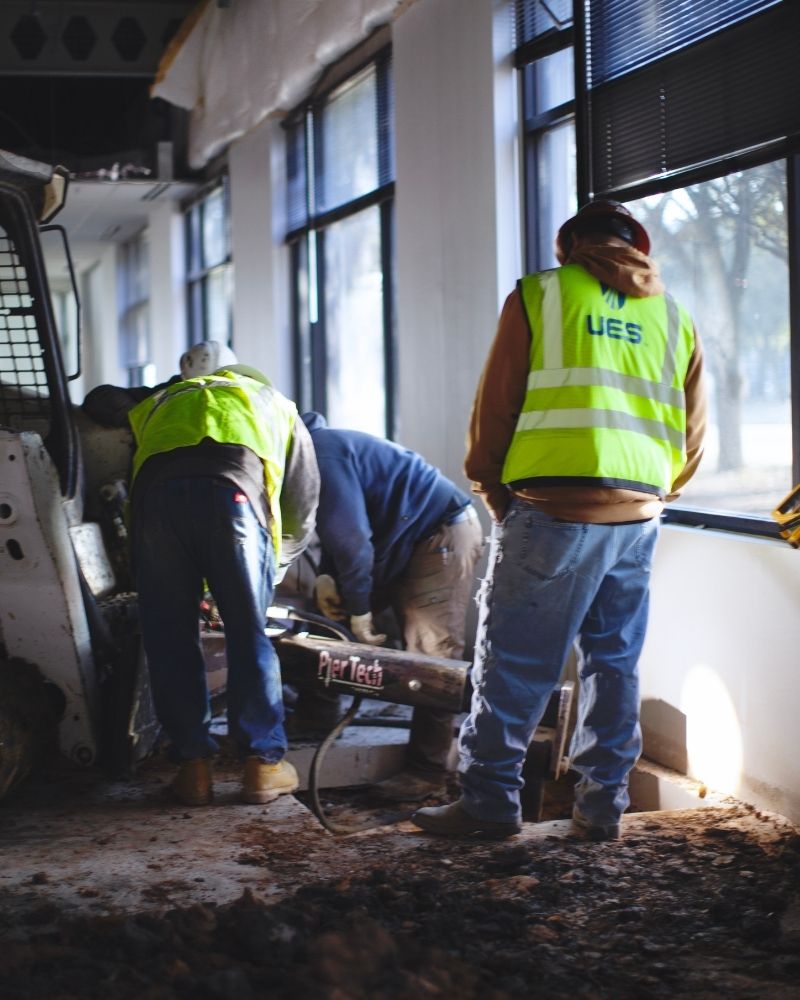
Installation requires little excavation, making it ideal for residential properties and existing structures.
Reliable Performance
Torque monitoring confirms that each pier meets the required load capacity.
Adaptability
Helical piers can be used for both new construction and foundation repair projects.
Helical Pier Depth in North Texas Soil Conditions
In the Dallas–Fort Worth region, expansive clay soils expand when wet and shrink when dry.
This soil movement is a major cause of foundation problems in slab homes.Helical piers help solve this issue by transferring the load of the structure below the active soil zone, where seasonal moisture changes no longer affect the soil.
This deeper stabilization significantly reduces the risk of future foundation movement.
How FnD Piers Determines the Correct Pier Depth
At FnD Piers, we evaluate every project individually to determine the correct helical pier depth.
Our process includes:
- Site evaluation to identify soil conditions
- Structural assessment of the building load
- Engineering analysis to determine pier capacity requirements
- Torque monitoring during installation to verify load capacity
This ensures every pier installed provides reliable, long-term support.
Schedule a Helical Pier Evaluation
If you’re asking “how deep do helical piers go?”The answer depends on your soil conditions and structural requirements. The best way to determine the right solution is through a professional evaluation.
Contact FnD Piers today to schedule a foundation inspection.
Our team serves homeowners and builders throughout:
- Dallas
- Fort Worth
- Arlington
- Plano
- Grapevine
- Surrounding North Texas communities
We’ll help you determine whether helical piers are the right solution for your property.
Call: (817) 402-7113.