Understanding the implications of texas soil foundation drilling is essential for making informed decisions during the construction process.
When it comes to residential and commercial foundation systems in Texas, soil type is one of the most important—but overlooked—factors influencing stability, longevity, and performance. At FnD Piers, we know that not all soils are created equal—and understanding how they affect helical pier systems can mean the difference between long-term success and costly future repairs. This is particularly evident in the context of texas soil foundation drilling.
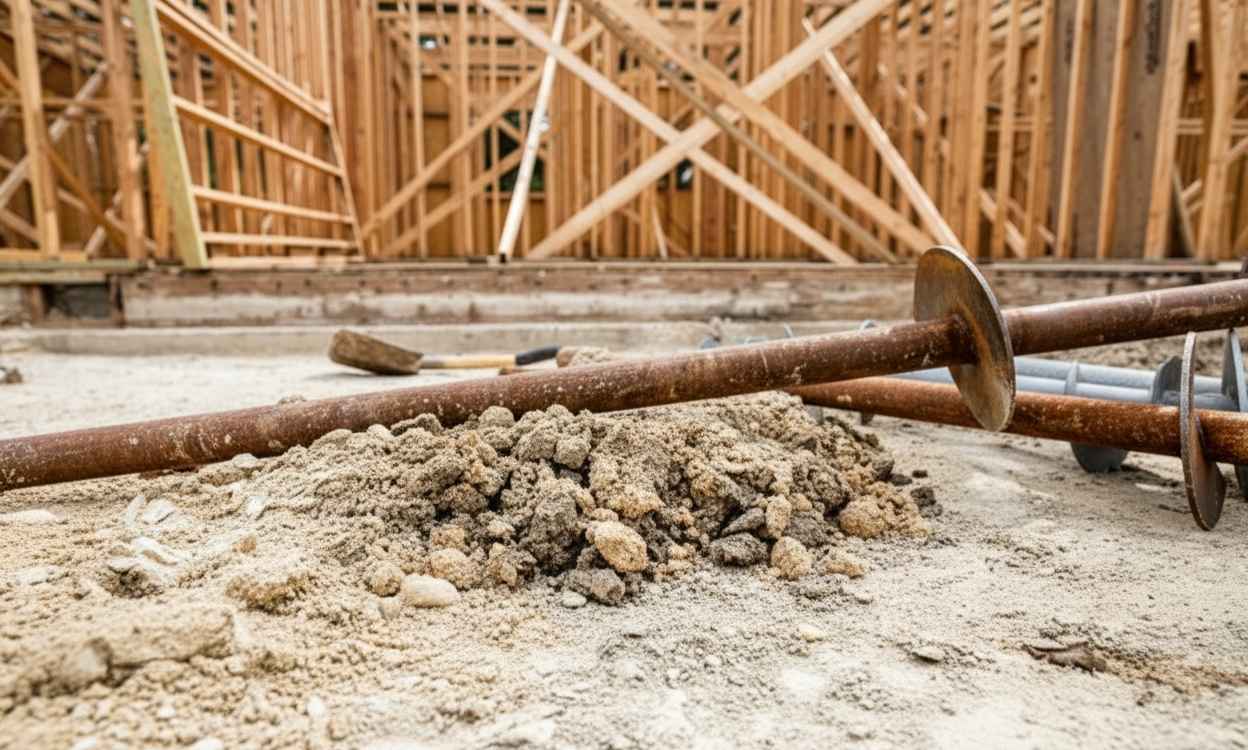
Whether you’re a commercial builder, property manager, or civil engineer, this guide explains exactly how Texas soils impact helical piers—and what to do about it.
Understanding soil types is crucial for both short-term projects and long-term investments. For instance, in a newly developed area, soil testing can save thousands in future repairs. This proactive approach can provide peace of mind and financial security for developers and homebuyers alike.
The Problem with Texas Soils
Texas is famous for its diverse and often unstable soil conditions. Some of the most common types include:
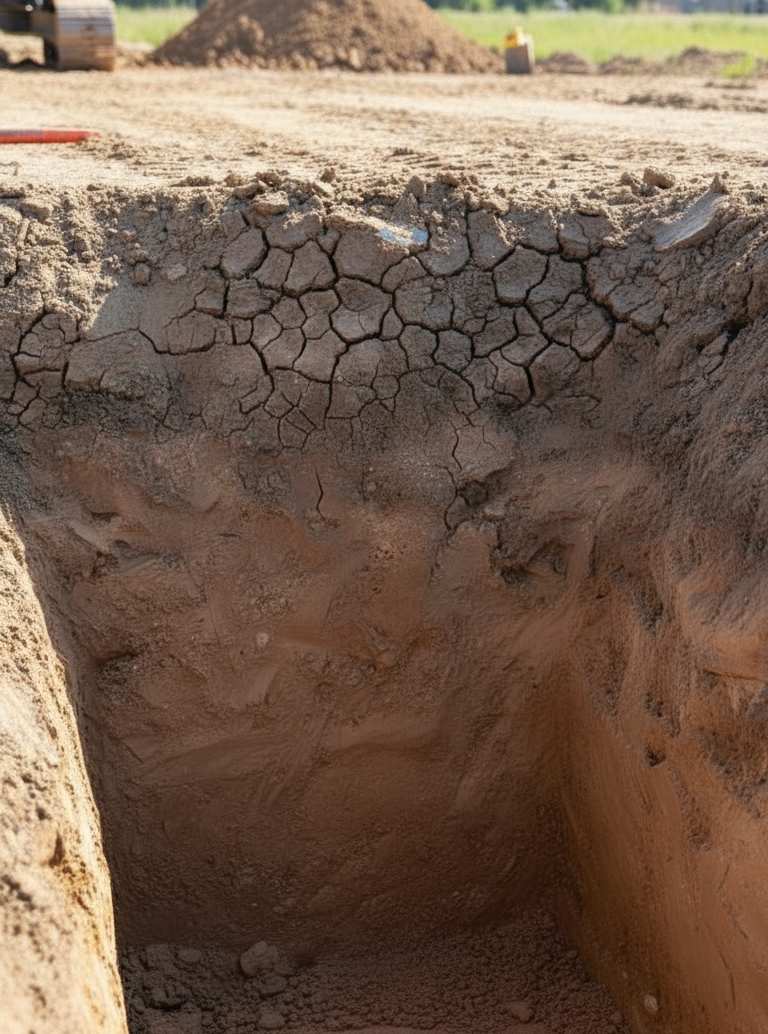
- Expansive Clay (Black Gumbo): Found throughout Central and North Texas, this soil swells with moisture and shrinks during dry seasons—creating powerful ground movement.
- Sandy Soils: More common in East Texas and coastal regions, sandy soil lacks cohesion and offers poor lateral support for traditional foundations.
- Rocky & Caliche Soils: In parts of West and South Texas, shallow bedrock or caliche presents challenges for installation depth but offers excellent end-bearing capacity.
- Loamy & Silty Soils: Found in river basins and flood-prone areas, these can hold water and become unstable over time.
Understanding Texas Soil Foundation Drilling
An essential aspect of construction, texas soil foundation drilling plays a crucial role in ensuring the stability and longevity of structures. This process involves assessing soil conditions before foundation installation to avoid potential issues related to soil movement and erosion.
Each type of soil presents unique challenges that must be addressed during the foundation planning stages. For example, expansive clay can lead to significant issues in regions where it is prevalent, as homes can shift and settle unevenly if not properly supported. In contrast, sandy soils can shift during heavy rains, requiring careful analysis and design adjustments to ensure stability.
How Helical Piers Respond to Soil Variations
1. Expansive Clay
- Challenge: High seasonal movement puts stress on slab foundations.
- Helical Solution: Deep installation bypasses the active zone, anchoring into stable strata below the clay. This isolates the structure from ground movement.
2. Sandy Soil
- Challenge: Low bearing capacity and poor grip.
- Helical Solution: Wider helix plates and deeper embedment improve friction and load transfer, giving the system needed stability.
3. Rock or Caliche
- Challenge: Refusal depth is reached quickly; shallow penetration.
- Helical Solution: Torque monitoring ensures piers are properly anchored. In some cases, hybrid systems with micropiles may be recommended.
4. Wet Loamy or Silty Soil
- Challenge: Water retention weakens soil strength.
- Helical Solution: Corrosion-protected steel shafts are used, and deeper installation avoids the moisture-affected zone.
Why Soil Testing Matters
Before we install helical piers on any commercial project, FnD Piers conducts or reviews a geotechnical soil report. This allows us to:
- Identify the soil profile at each pier location
- Calculate torque requirements and load capacities
- Customize pier length, diameter, and helix configuration
- Ensure compliance with engineer-approved specs
No guessing. Just precise engineering.
Soil testing not only informs foundation planning but is also vital for ensuring compliance with local building codes. Each municipality may have different requirements based on the soil characteristics in their area. By conducting thorough testing, builders can avoid potential legal issues and costly delays.
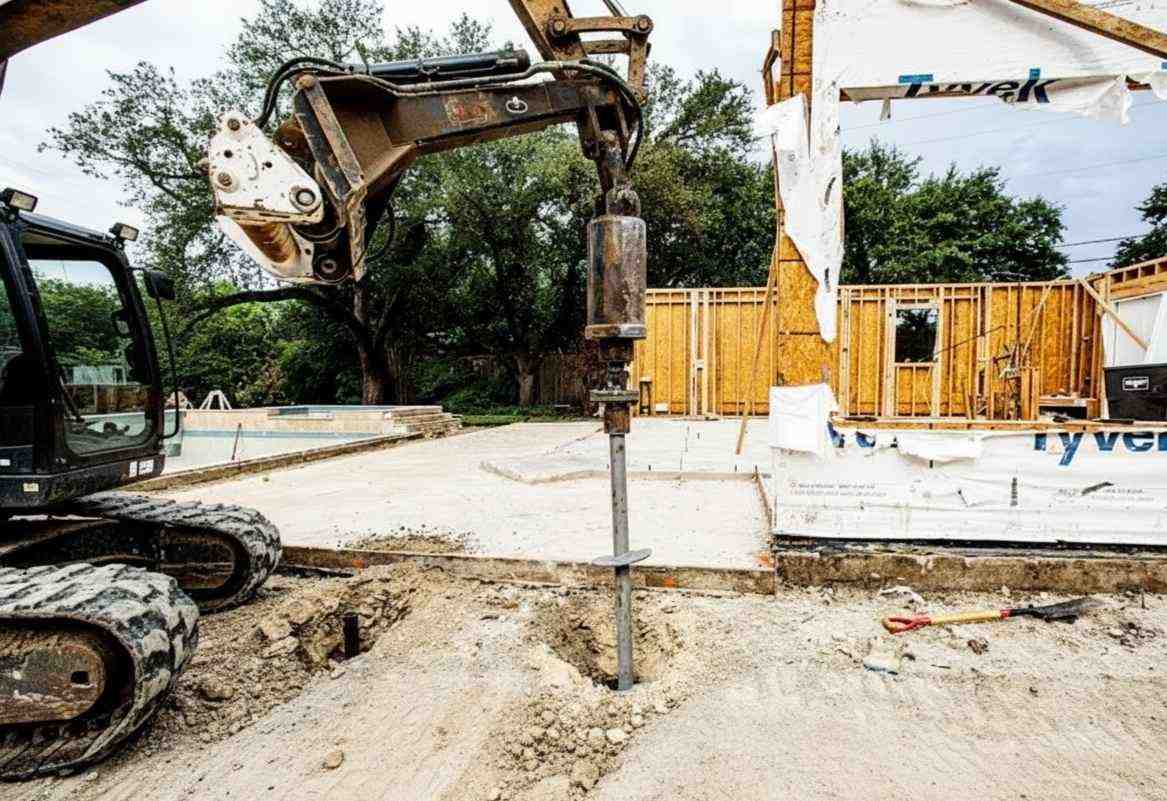
Built on Texas Soil. Built to Last
At FnD Piers, we’ve built thousands of piers across Texas. We understand your soil-and how to beat it.
Whether you’re planning a new commercial development or facing foundation problems in your existing structure, our expert team is here to provide engineered helical pier solutions tailored to your site.
Ready to Build with Confidence?
Let FnD Piers evaluate your soil and recommend the right solution for your foundation.