7 Common Problems with Slab Homes And What Homeowners Should Know

Slab foundations are one of the most common foundation types in Texas. While they offer cost efficiency and fast construction, homeowners should understand that there are potential problems with slab homes, especially in regions with expansive clay soils like North Texas.

If you own or are considering buying a slab home in the Dallas–Fort Worth area, understanding the risks, warning signs, and solutions can help you protect your investment.

At FnD Piers, we specialize in diagnosing and repairing slab foundation issues. Below, we outline the most common problems with slab homes and what causes them.

1. Foundation Cracks

One of the most visible problems with slab homes is cracking in the concrete foundation itself.

Why It Happens:

  • Soil movement beneath the slab
  • Shrinking or swelling clay soils
  • Improper site preparation
  • Poor drainage

Not all cracks indicate structural failure, but horizontal cracks, widening gaps, or cracks extending through walls and flooring should be professionally evaluated.

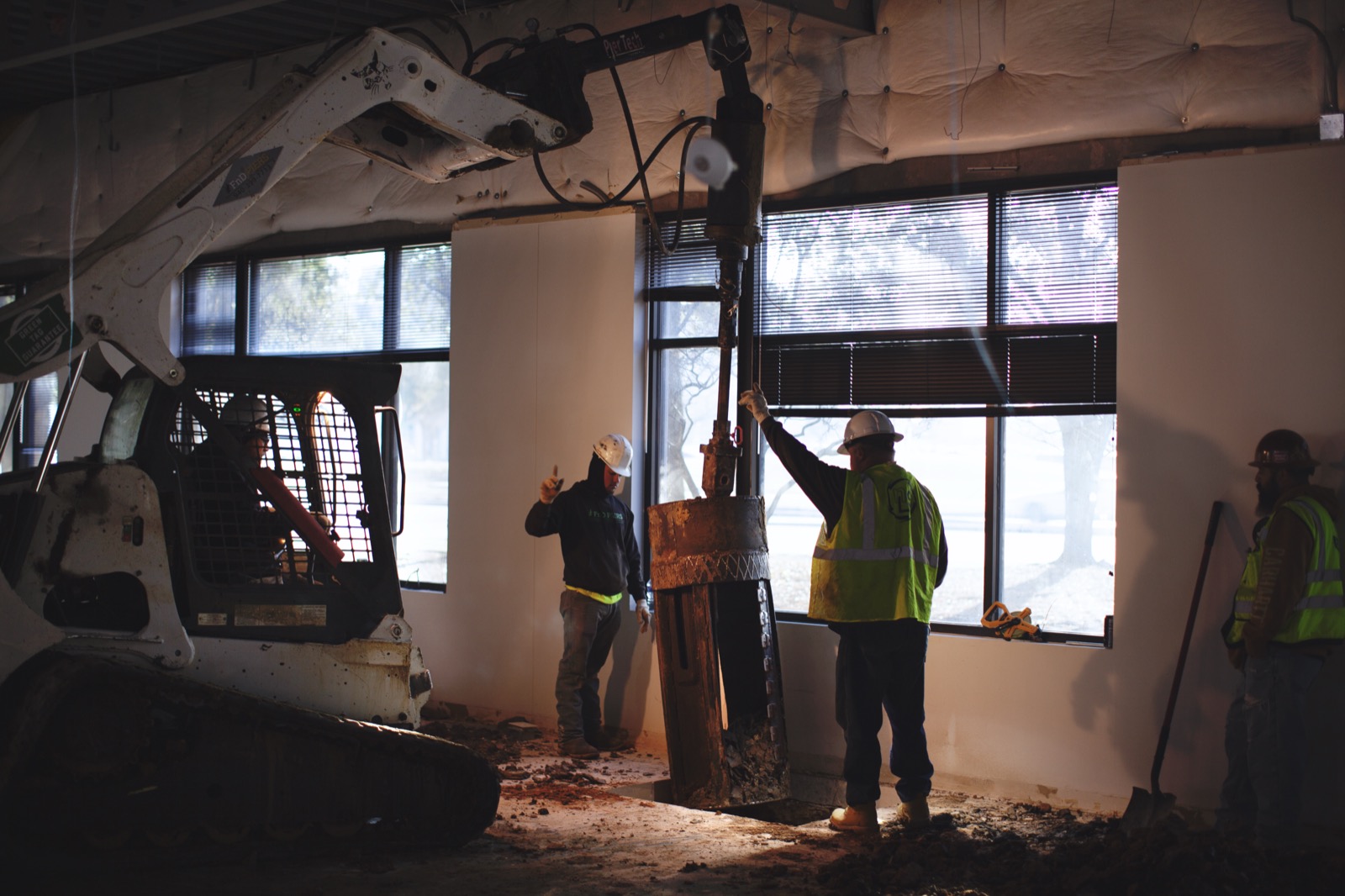
problems with slab homes

2. Uneven or Sloping Floors

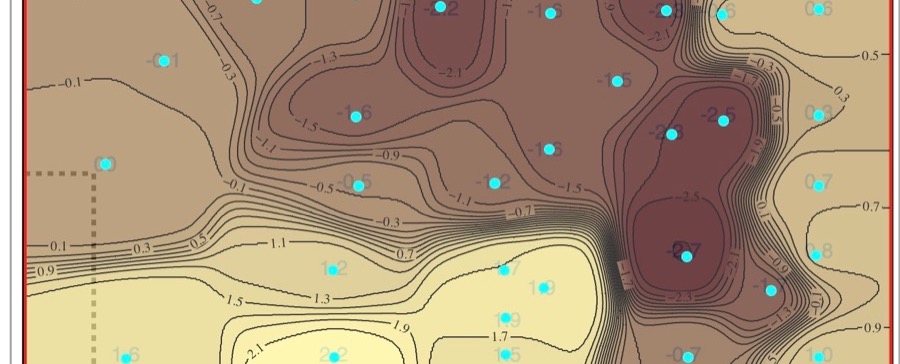
If your floors feel uneven or you notice sloping areas, it may indicate foundation settlement.

Causes:

Slab homes are particularly vulnerable to uneven settlement when parts of the foundation shift while others remain stable.

3. Expansive Clay Soil Movement

In North Texas, expansive clay soils are a major contributor to problems with slab homes.

Clay soil expands when wet and contracts when dry. This cycle can cause:

  • Foundation lifting (heaving)
  • Settlement during dry seasons
  • Repetitive stress on the slab

Over time, this movement may compromise structural integrity if not properly addressed.

4. Plumbing Leaks Beneath the Slab

In slab homes, plumbing lines are typically embedded within or beneath the concrete.

When a leak occurs:

  • Water may erode supporting soil
  • Moisture may cause slab movement
  • Repairs require accessing lines under concrete

Early detection is critical. Signs include unexplained water bills, warm spots on floors, or cracks appearing suddenly.

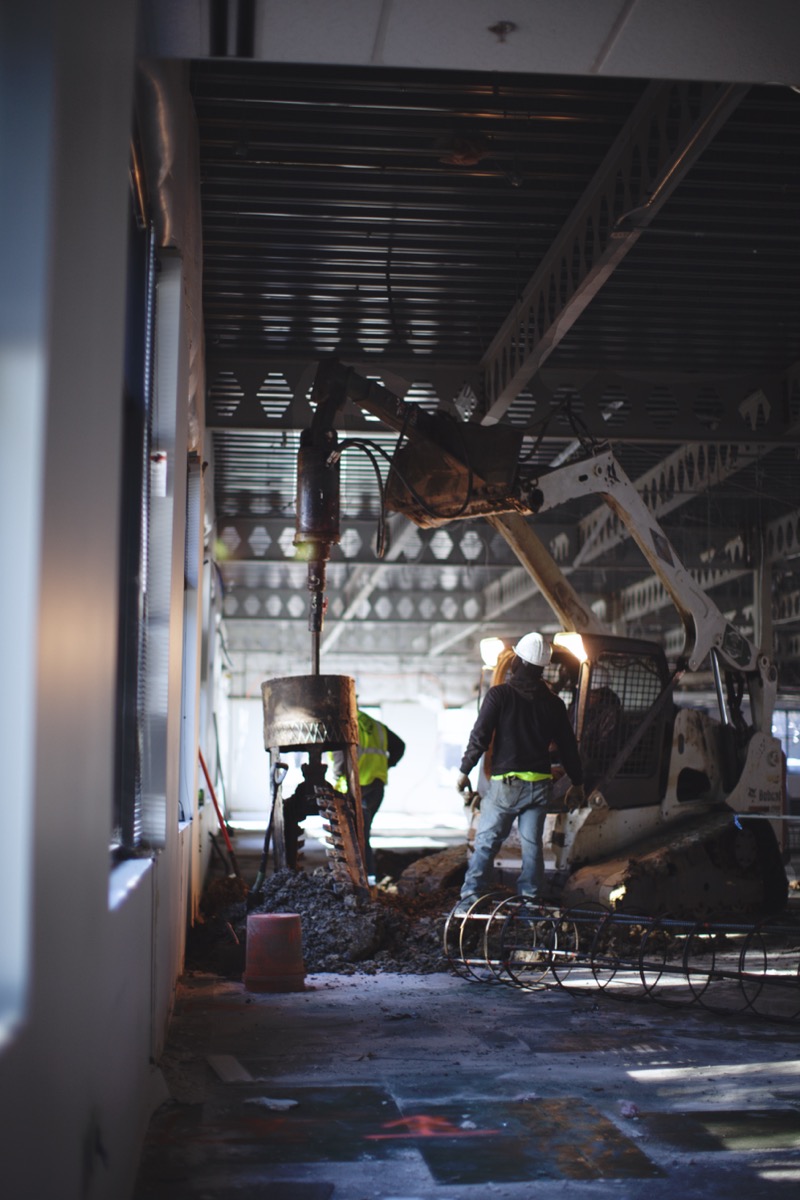
helical foundation installation truck

5. Door and Window Misalignment

If doors stick or windows become difficult to open, it may indicate slab movement.

This occurs when:

  • The slab shifts unevenly
  • Structural framing adjusts due to foundation stress
  • Load-bearing walls experience movement

These subtle changes are often early indicators of deeper foundation concerns.

6. Exterior Brick or Wall Cracks

Cracks in exterior brick veneer or drywall are common warning signs of slab foundation movement. Look for:

  • Stair-step cracks in brick
  • Gaps around window frames
  • Interior drywall cracking

These cosmetic signs may reflect structural foundation stress beneath the surface.

7. Poor Drainage Around the Home

Improper drainage is one of the leading contributors to problems with slab homes.

When water accumulates around the perimeter:

  • Soil becomes oversaturated
  • Clay expands unevenly
  • Foundation edges lift or settle

Maintaining proper grading, gutters, and drainage systems is essential to slab foundation longevity.

Why Slab Homes Are Common in Texas

Despite these potential issues, slab foundations remain popular because they are:

However, their performance heavily depends on soil preparation, drainage management, and structural design.

How to Prevent Problems with Slab Homes

Homeowners can reduce risk by:

  • Maintaining Consistent Soil Moisture

Avoid extreme drying or oversaturation of soil around the foundation.

  •  Ensuring Proper Drainage

Install functional gutters and maintain proper grading.

  •  Monitoring Early Warning Signs

Address cracks and uneven floors early before damage progresses.

  •  Scheduling Professional Inspections

Foundation specialists can detect structural issues before they worsen.

helical piers transfer to be installed site

When Slab Foundation Repair Is Needed

If significant movement occurs, repair solutions may include:

  • Helical piers
  • Push piers
  • Underpinning systems
  • Drainage correction

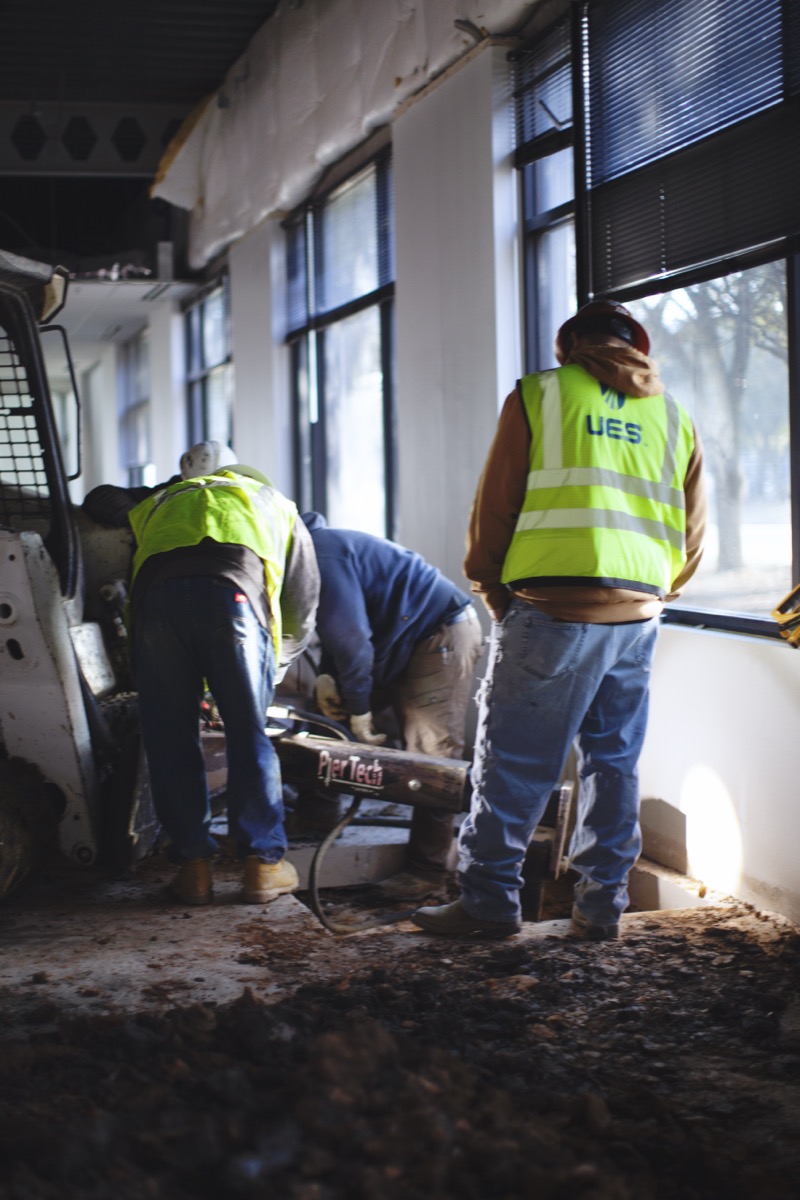
Helical pier systems are often used to transfer the load of the slab beyond unstable soil layers into more stable ground.

At FnD Piers, we evaluate each project individually and recommend engineered solutions based on soil conditions and structural needs.

Trust FnD Piers for Slab Foundation Evaluation in North Texas

If you’re experiencing potential problems with slab homes in:

  • Dallas
  • Fort Worth
  • Arlington
  • Plano
  • Grapevine
  • Surrounding DFW communities

Our team provides professional foundation inspections and repair recommendations designed to stabilize your home long term.

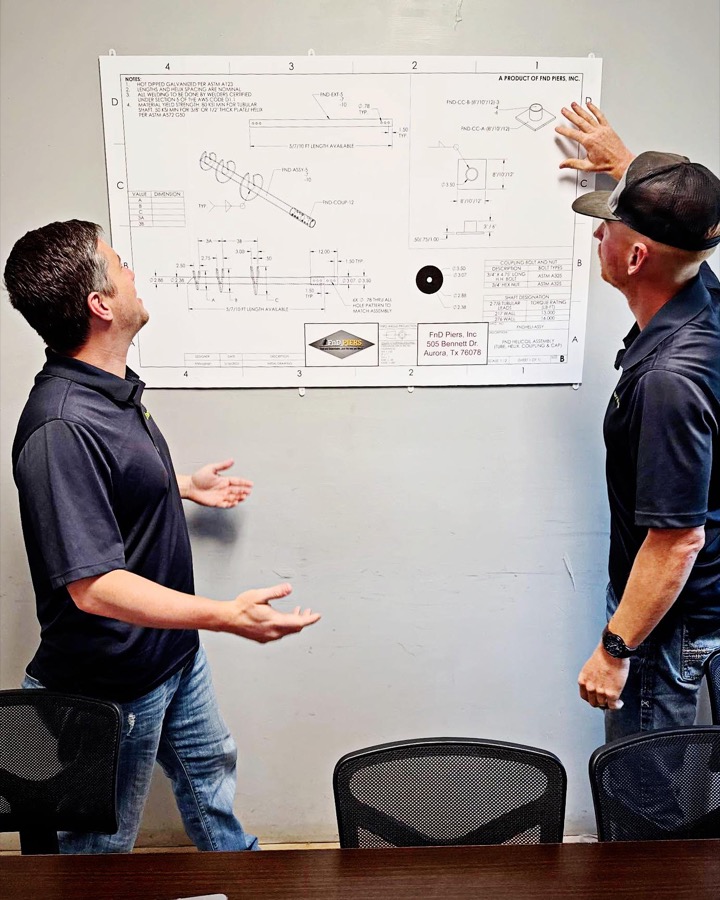
call fnd piers mean at work

Schedule Your Slab Foundation Evaluation

Don’t ignore early warning signs.

Contact FnD Piers today to schedule a slab foundation inspection and determine whether your home requires stabilization.

We’ll help you:

  • Identify the root cause
  • Understand repair options
  • Protect your home’s structural integrity

 Call: (817) 402-7113.

Related Posts