
When it comes to installing helical piers, the term drive head plays a central role in both performance and reliability, yet many property owners and even some contractors may not fully understand what it means. A drive head is the mechanical interface between the installation equipment and the helical pier shaft. It is the component that transmits torque, drives the helix into the soil, and ultimately determines whether a pier installation is efficient, accurate, and structurally sound.
In this article, we’ll explain what a drive head is, how it works, why it matters, and how FnD Piers leverages advanced drive head technology to ensure reliable outcomes on projects large and small.
1. What Is a Helical Drive Head?
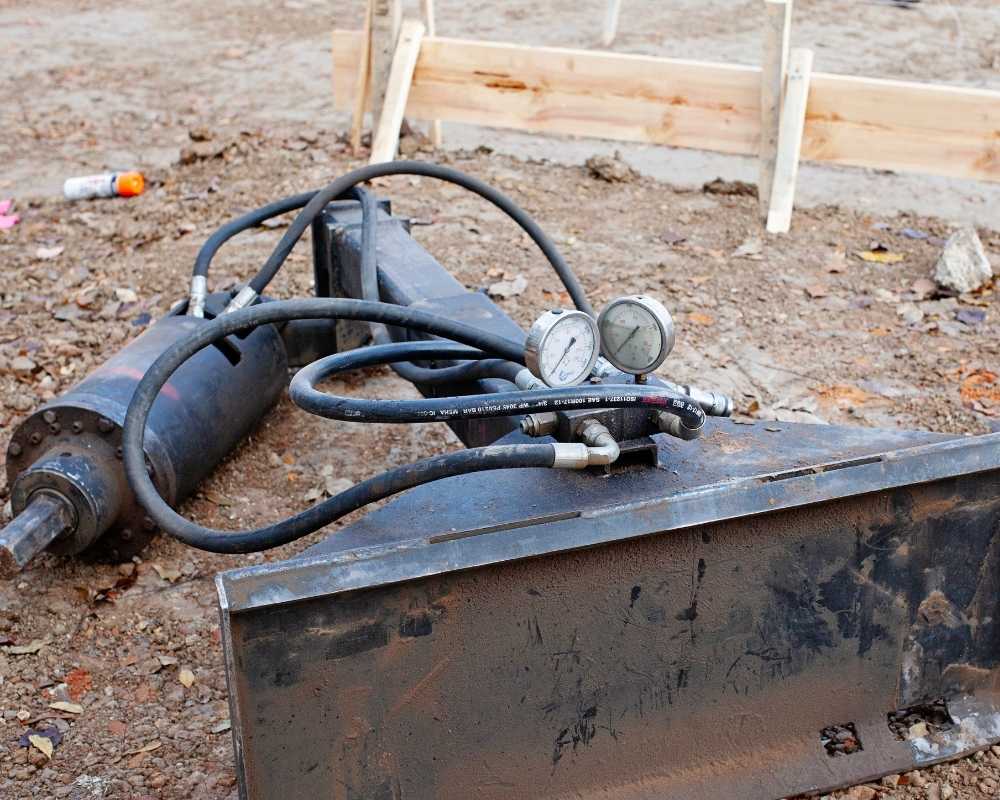
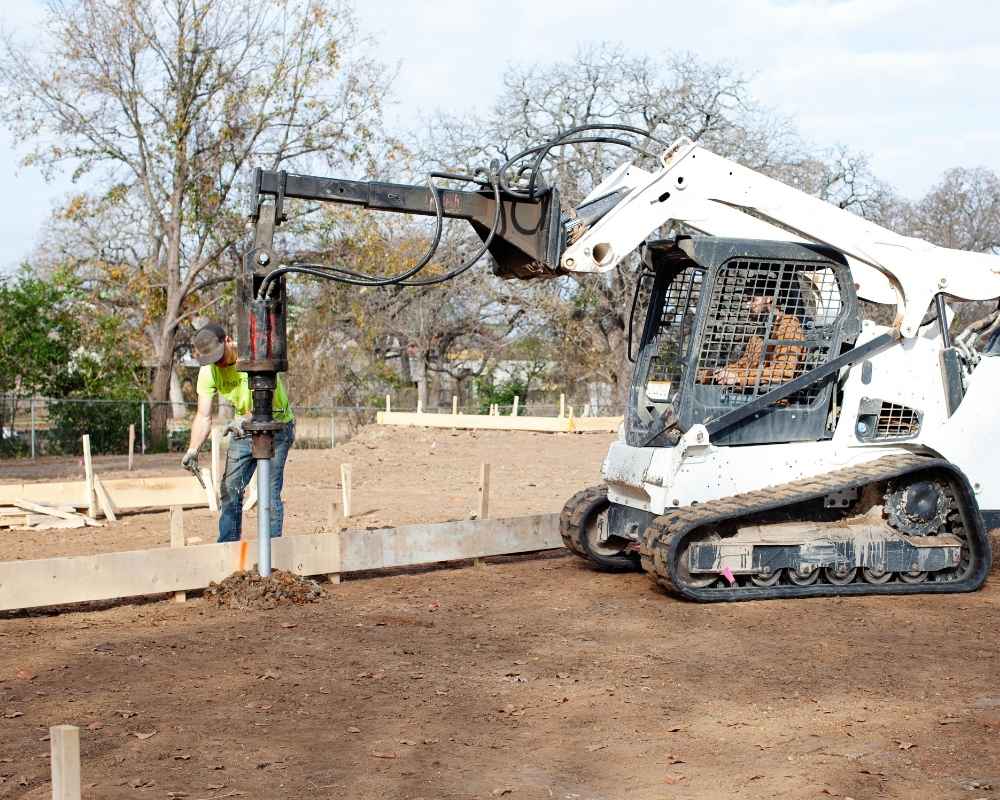
A drive head (sometimes called a drive unit or gearbox) is the part of the drill rig that clamps onto the lead section of a helical pier and transmits rotational force (torque) down the shaft so the helix plates cut into the soil.
It serves several key purposes:
- Connects the pier shaft to the hydraulic torque source
- Controls the amount of torque delivered
- Allows for precise monitoring of capacity
- Facilitates vertical installation alignment
The drive head must be rugged, reliable, and capable of sustaining high torque levels especially when installed in dense, stiff, or variable soils such as the expansive clays common in North Texas.
2. How Drive Heads Work in Helical Pier Installation
During installation:
- The drive head is securely affixed to the lead section of the helical pier shaft.
- Hydraulic motors within the drive head deliver rotational force.
- As torque increases, the helical plates advance into the soil, pulling the shaft deeper.
- Torque readings are monitored in real time to verify load-capacity targets.
Because helical piers derive their load capacity from torque-to-capacity relationships, the drive head isn’t just a connection point. It is a measurement tool. Real-time torque monitoring ensures each pier reaches the specified installation torque, which correlates to the engineer’s design load.
3. Why the Drive Head Matters for Performance and Safety
Choosing a high-quality drive head system is essential for several reasons:
Torque Accuracy
Accurate torque readings help confirm that each pier has reached its design capacity. By contrast, imprecise or inconsistent drive heads can lead to under- or over-installation — both costly mistakes.
Installation Efficiency
Robust drive heads reduce installation time by providing smoother power transfer and better control. This is especially important on commercial jobs or when multiple piers are needed.
Operator Control
A well-engineered drive head gives installation crews precise control over speed, direction, and torque limits, which reduces the risk of equipment wear and structural stress.
Adaptability
Different job conditions (tight access, high water tables, unusual soil) may require different drive head specifications. Advanced drive head systems can adjust to these conditions without compromising performance.

4. Drive Head Technology at FnD Piers
At FnD Piers, we use modern drive head systems engineered for reliability and precision. Our equipment is matched to the demands of the project — whether a residential foundation repair or a large commercial installation.
Key benefits include:
- Hydraulic torque control that aligns with engineered capacity requirements
- Real-time monitoring for quality assurance and documentation
- Versatile drive head interfaces for a range of pier sizes and soil conditions
- Integrated safety controls to protect equipment and personnel
This equipment, combined with experienced operators, allows FnD Piers to install helicals efficiently and consistently — even in challenging soil conditions like expansive clay or high water content.
5. Drive Head Considerations by Application
Residential Projects
In residential settings, drive heads must balance power with accessibility. Many yards have limited access, and compact hydraulic systems help minimize disturbance while achieving precise torque control.
Commercial & Large-Scale Projects
Commercial installations often involve:
- Higher design loads
- Deeper embedment
- Larger diameter piers
- Series installations
In these scenarios, heavy-duty drive head systems provide the torque and control required to maintain schedule and quality expectations.
6. The Role of Drive Heads in Quality Assurance
Because helical pier capacity is verified through torque, the quality and calibration of the drive head impact:
- Inspection approvals
- Engineering acceptance
- Warranty validation
- Long-term performance
FnD Piers documents torque production for every pier, giving engineers and owners confidence that the installation meets the design intent.
7. Summary: Why Drive Heads Matter in Helical Pier Solutions
A drive head is more than a mechanical connection. It is a critical component for performance, measurement, safety, and project success. From residential repairs to commercial foundations, the accuracy and reliability of the drive head affect structural capacity, schedule, and lifecycle cost.
Choosing a contractor with quality drive head systems and experienced operators like the team at FnD Piers, reduces risk and delivers a foundation solution that stands the test of time.
Ready to Talk About Your Foundation Project?
If you’re considering helical piers for a residential or commercial application, contact the team at FnD Piers. We’ll evaluate your site, explain equipment choices (including drive head technology), and design a foundation solution tailored to your needs.
Call: (817) 402-7113
Build with precision. Build with confidence. Build with FnD Piers.