When building or repairing a structure, choosing the right foundation is critical to long-term stability, protection, and performance. In areas with expansive soils, flood risks, or poor ground conditions, elevated foundation types provide a strategic advantage by raising the structure above unstable or moisture-prone ground.
In this guide, we break down the most common elevated foundation types, how they work, their advantages, and how to choose the right solution for your project.
What Are Elevated Foundation Types?
Elevated foundation types are structural systems that raise a building above ground level using piers, piles, or walls. Instead of resting directly on a slab, the structure is supported above grade, creating a crawl space or open area beneath.
These foundations are commonly used for:
- Flood-prone areas
- Expansive or unstable soils
- Coastal or high-moisture environments
- Sloped terrain
They help prevent water damage, improve ventilation, and provide long-term structural stability.
1. Pier and Beam Foundation
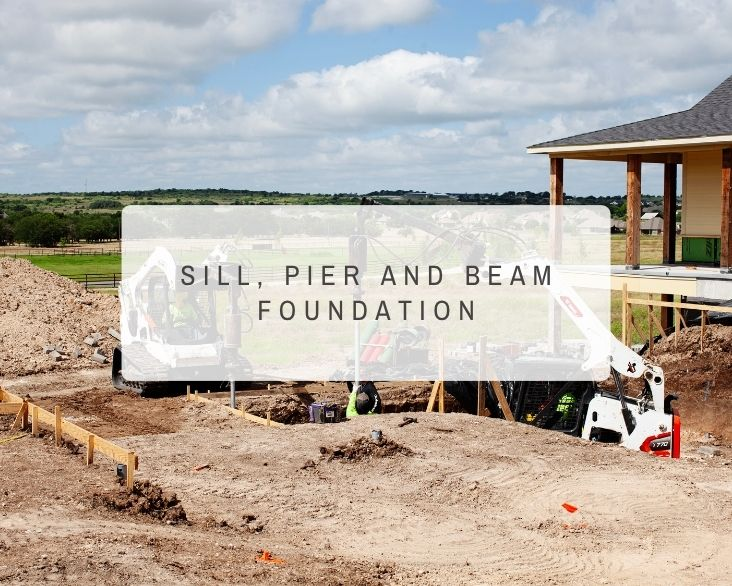
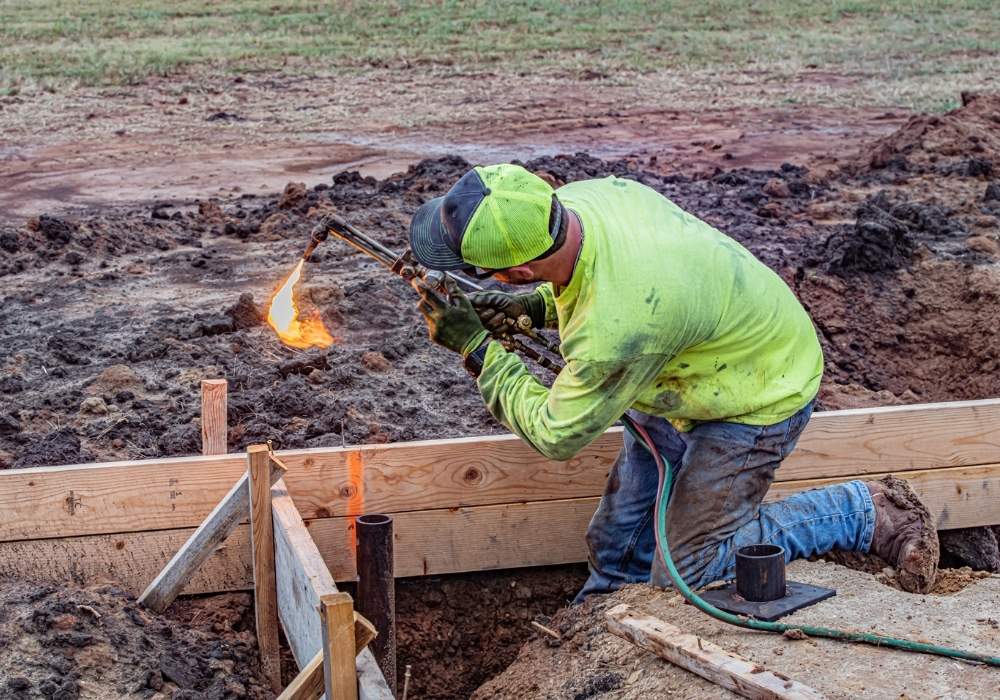
A pier and beam foundation is one of the most common elevated foundation types used in light-frame construction.
How It Works:
- Concrete or steel piers are installed into the ground
- Beams span across the piers
- The structure sits on top of the beam system
Benefits:
- Easy access to plumbing and electrical systems
- Better performance in shifting soils
- Reduced risk of slab cracking
Considerations:
- Requires proper ventilation
- May need periodic maintenance
2. Helical Pier Foundation
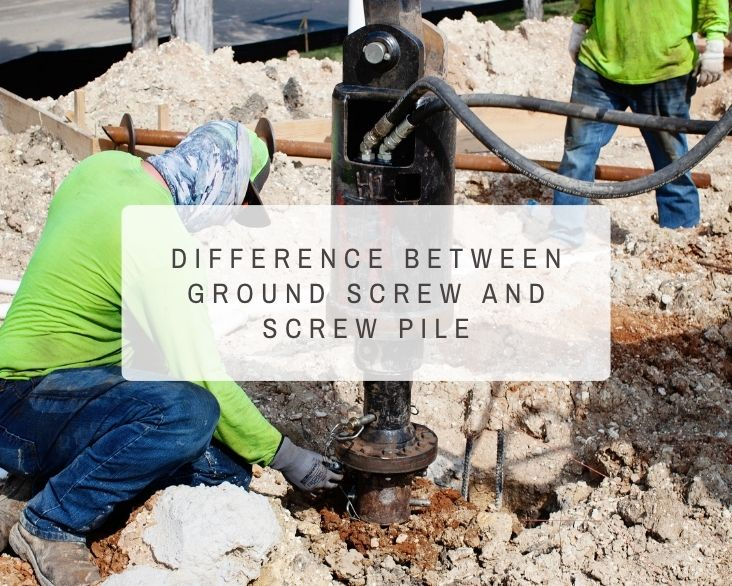
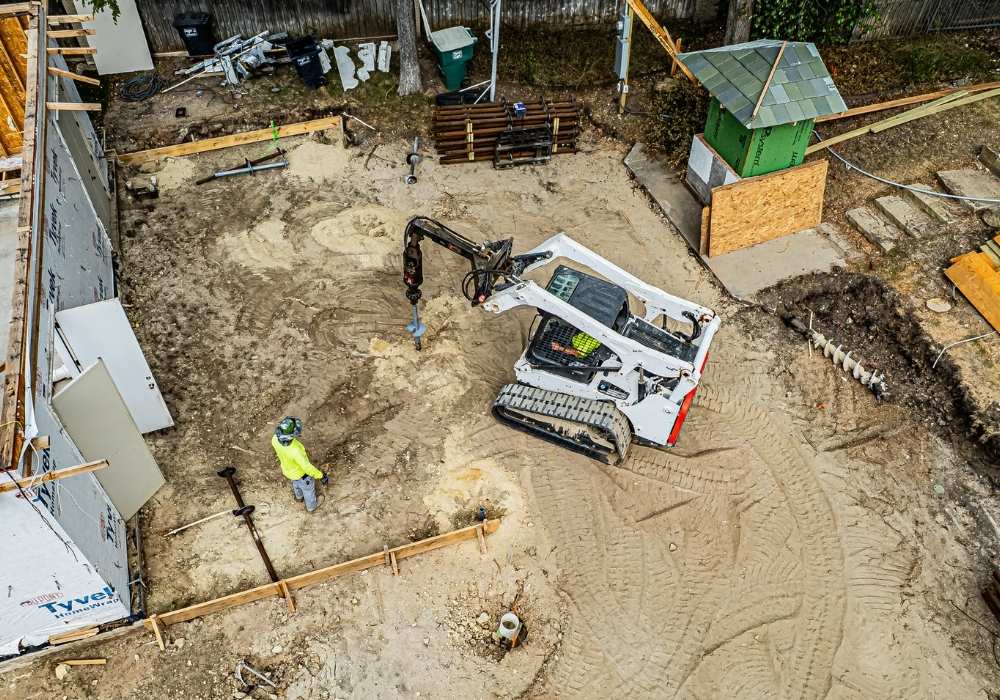
A helical pier foundation is one of the most advanced elevated foundation types available today, especially for foundation repair and new construction in poor soil conditions.
How It Works:
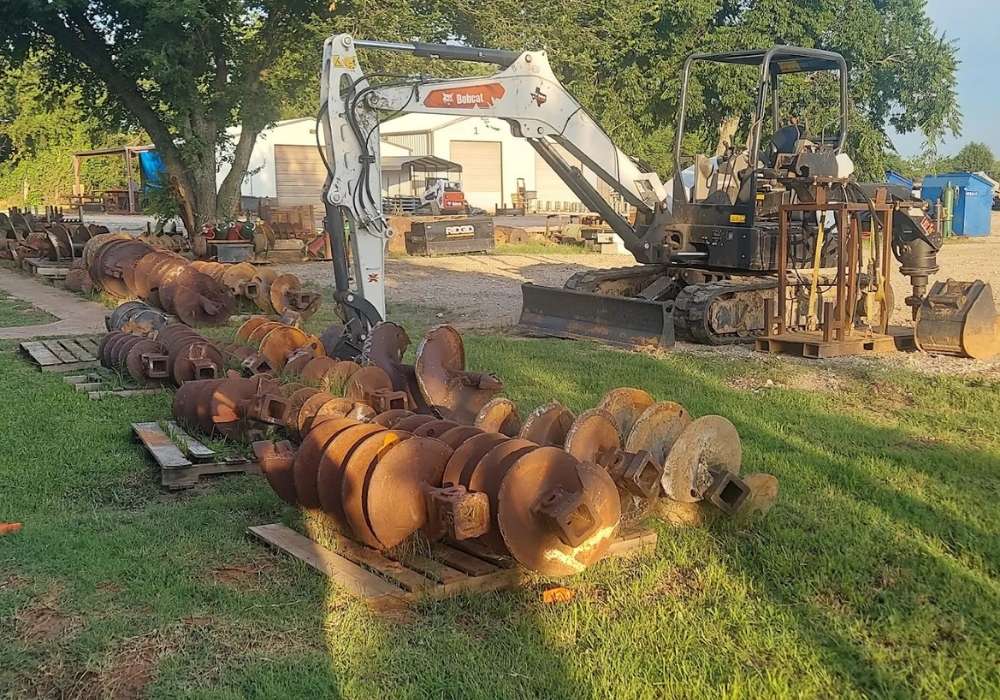
- Steel piers with helical plates are screwed deep into stable soil
- Load is transferred from unstable surface soil to deeper strata
- Brackets connect the structure to the piers
Benefits:
- Immediate load-bearing capability
- Minimal excavation
- Ideal for both repair and new construction
- Precise installation using torque monitoring
Why It Matters:
At FnD Piers, helical piers are a preferred solution because they provide predictable, engineered stability, especially in areas where traditional foundations fail.
3. Driven Pile Foundation
Driven piles are long structural elements (steel, concrete, or timber) driven into the ground using heavy equipment.
How It Works:
- Piles are hammered into the soil until reaching load-bearing layers
- The structure is supported on top of these piles
Benefits:
- High load capacity
- Suitable for large structures
- Effective in deep, weak soils
Considerations:
- Requires large equipment
- Can cause vibration during installation
4. Crawl Space Foundation
A crawl space foundation elevates the structure slightly above ground level using short foundation walls.
How It Works:
- Perimeter walls support the structure
- A crawl space (typically 1–3 feet high) exists beneath
Benefits:
- Protection from minor flooding
- Easier access for repairs
- Improved airflow
Considerations:
- Moisture control is essential
- Requires proper insulation and ventilation
5. Elevated Slab Foundation
An elevated slab foundation combines elements of slab-on-grade with elevation.
How It Works:
- The slab is poured above ground level
- Fill material or structural supports elevate the slab
Benefits:
- Reduces flood risk
- Provides solid, continuous surface
- Lower maintenance compared to crawl spaces
Considerations:
- Less access to utilities
- Requires proper soil compaction
6. Stilt or Post Foundation
Common in coastal or flood-prone areas, stilt foundations elevate structures significantly above ground.
How It Works:
- Vertical posts or columns support the structure
- Open space remains beneath the building
Benefits:
- Maximum flood protection
- Ideal for waterfront properties
- Allows water and debris to pass beneath
Considerations:
- Higher construction costs
- Requires strong lateral support
How to Choose the Right Elevated Foundation Type
Selecting the best elevated foundation depends on several key factors:
1. Soil Conditions
Unstable or expansive soils often require deep foundation solutions like helical piers.
2. Flood Risk
Flood-prone areas benefit from higher elevation systems such as stilts or raised slabs.
3. Structure Type
Heavier structures may require deeper or higher-capacity foundations.
4. Budget and Timeline
Some systems offer faster installation and lower long-term costs.
5. Long-Term Performance
Durability and resistance to movement should always be prioritized over short-term savings.
Why Helical Piers Are Leading the Shift in Elevated Foundations
Among all elevated foundation types, helical piers stand out as one of the most reliable and versatile solutions.
They offer:
- Engineered load capacity verification
- Fast installation with minimal disruption
- Adaptability for both small and large commercial projects
- Long-term stability in challenging soil conditions
For developers and builders looking for predictable results, helical pier systems provide a modern alternative to traditional foundation methods.
Final Thoughts: Building Above the Problem
Elevated foundation types are not just a construction choice, they are a strategic investment in the long-term stability and protection of your structure.
Whether you’re building new or addressing foundation issues, choosing the right system can:
- Prevent costly damage
- Improve structural performance
- Extend the life of your property
If you’re evaluating foundation options, FnD Piers can help you determine the best elevated foundation solution for your specific soil conditions and structural needs.
Ready to build on a stronger foundation?
Contact FnD Piers today for a professional evaluation and discover how the right elevated foundation system can protect your property for years to come.
Call: (817) 402-7113