Every successful construction project starts with one critical decision: choosing the right foundation. But the strongest foundation isn’t always the most expensive one. Through value-engineered foundations, builders, developers, engineers, and property owners can reduce costs, accelerate construction schedules, and maintain structural performance without compromising safety.
Value engineering isn’t about cutting corners, it’s about designing the most efficient foundation system for the specific soil conditions, structural loads, and project goals.
At FnD Piers, we partner with engineers, architects, contractors, and developers to deliver value-engineered foundation solutions that optimize performance while reducing unnecessary costs.
What Are Value-Engineered Foundations?
A value-engineered foundation is a foundation system that has been carefully optimized to provide the required structural performance using the most efficient combination of materials, engineering, and construction methods.
Rather than applying the same foundation solution to every project, value engineering evaluates:
- Soil conditions
- Structural loads
- Building use
- Site constraints
- Construction schedule
- Long-term performance
- Overall project budget
The goal is to achieve the best balance between cost, constructability, and durability. Engineers frequently use geotechnical reports, structural load requirements, and foundation modeling to identify opportunities for value engineering while maintaining safety and code compliance.
Why Value Engineering Starts with the Geotechnical Report
One of the most valuable documents in any construction project is the geotechnical report.
A geotechnical investigation provides critical information about:
- Soil composition
- Bearing capacity
- Groundwater conditions
- Expansive soils
- Settlement potential
- Rock depth
This information allows engineers to determine whether a shallow foundation is appropriate or whether a deep foundation system, such as helical piers, offers better long-term performance.
Benefits of Value-Engineered Foundations
1. Lower Construction Costs
One of the biggest advantages of value engineering is cost optimization.
Rather than overdesigning a foundation, engineers can:
- Reduce unnecessary materials
- Optimize pile spacing
- Select the appropriate shaft size
- Eliminate excessive excavation
These improvements often reduce total project costs while maintaining structural integrity.
2. Faster Construction Schedules
Construction delays are expensive.
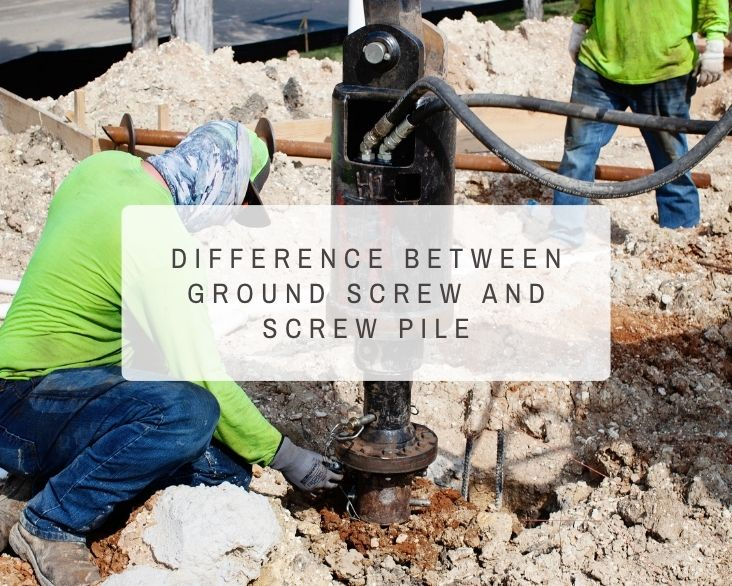
Helical pier systems often accelerate schedules because they:
- Install quickly
- Require minimal excavation
- Eliminate concrete cure time
- Allow immediate loading
For projects with aggressive timelines, these advantages can significantly reduce project duration.
3. Improved Foundation Performance
Value engineering is not simply about reducing costs.
It also improves performance by ensuring the foundation is designed specifically for:
- Soil conditions
- Structural loads
- Environmental factors
- Long-term service life
An optimized design often performs better than an oversized or generic solution.
4. Reduced Project Risk
Unexpected soil conditions are one of the leading causes of construction delays and cost overruns.
Value-engineered foundations reduce risk by incorporating:
- Geotechnical data
- Load analysis
- Installation verification
- Engineering review
This helps minimize costly surprises during construction.
Why Helical Piers Are Ideal for Value Engineering
Helical piers are among the most adaptable deep foundation systems available today.
Because they are modular, engineers can customize:
- Shaft type
- Helix size
- Installation depth
- Load capacity
- Corrosion protection
This flexibility makes them particularly well-suited for value-engineered projects.
How Engineers Create Value-Engineered Foundations
Every project begins with a careful review of the available data.
Typical design considerations include:
Soil Characteristics
Understanding:
- Bearing capacity
- Settlement potential
- Soil strength
- Moisture conditions
Structural Loads
Evaluating:
- Dead loads
- Live loads
- Wind loads
- Uplift forces
- Lateral forces
Site Conditions
Considering:
- Access limitations
- Existing structures
- Environmental restrictions
- Utility conflicts
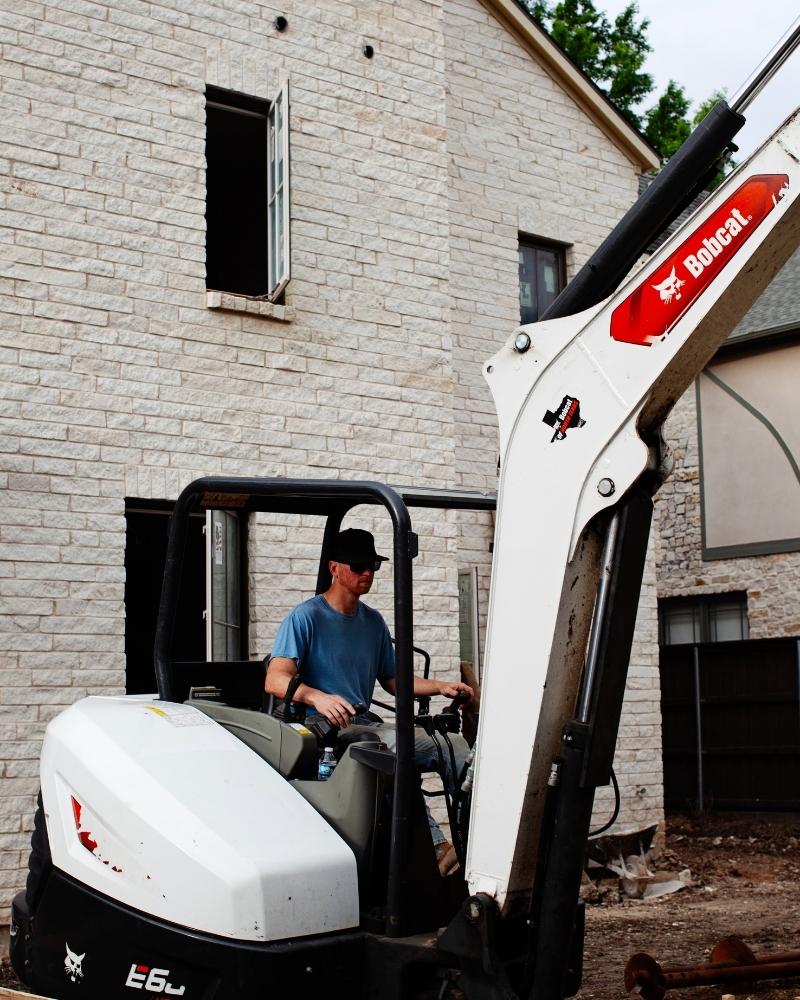
Using this information, engineers determine the most efficient foundation layout that satisfies performance requirements while avoiding unnecessary costs.
Applications for Value-Engineered Foundations
Value-engineered foundations are used across a wide range of projects, including:
- Commercial buildings
- Industrial facilities
- Mixed-use developments
- Equipment foundations
- Solar installations
- Utility structures
- Boardwalks
- Bridges
- Cell towers
- Foundation repairs
Because every project has unique conditions, value engineering helps tailor the foundation system to its specific needs.
Common Opportunities for Foundation Value Engineering
Experienced foundation engineers often identify opportunities such as:
- Optimizing pile quantities
- Selecting more efficient shaft configurations
- Reducing excavation requirements
- Minimizing concrete usage
- Simplifying installation logistics
- Improving construction sequencing
Small design improvements can generate significant savings across an entire project. One industrial case study reported substantial cost reductions after redesigning an over-engineered helical pile layout using project-specific design considerations.
Why Professional Engineering Matters
Successful value engineering requires more than selecting the lowest-cost option.
It requires collaboration between:
- Structural engineers
- Geotechnical engineers
- Foundation specialists
- Installation crews
Professional engineering ensures the finished foundation remains:
- Safe
- Durable
- Code compliant
- Cost-effective
Why Choose FnD Piers?
At FnD Piers, we believe every foundation should be engineered—not guessed.
We work alongside engineers, architects, contractors, and developers to provide:
- Geotechnical report review
- Helical pier design assistance
- Value-engineered foundation recommendations
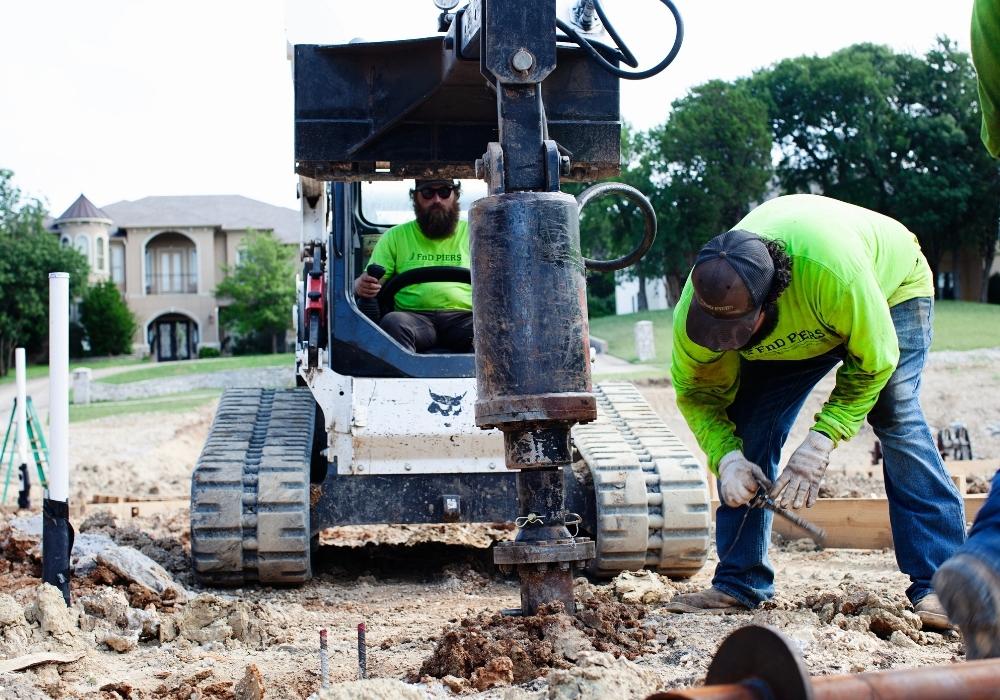
- Precision installation
- Torque verification
- Long-term foundation performance
Our goal is to help clients build smarter foundations that reduce costs without sacrificing quality. Our engineering approach emphasizes translating soil data into efficient helical pier designs and verifying capacity during installation through real-time torque monitoring.
Final Thoughts: Smarter Foundations Deliver Better Projects
The best foundation isn’t necessarily the largest or the most expensive.
A value-engineered foundation is one that has been thoughtfully designed around the realities of the project:
- Soil conditions
- Structural requirements
- Budget
- Construction schedule
- Long-term performance
When these factors are considered together, owners and contractors often achieve lower costs, faster completion, and greater confidence in the finished structure.
Whether you’re planning a commercial development, industrial facility, multi-family project, or foundation repair, investing in value engineering early can produce measurable savings throughout the life of the project.
Looking for a foundation solution that balances performance, efficiency, and cost?
Contact FnD Piers today to learn how our value-engineered foundation solutions can help you reduce construction costs, streamline installation, and build with confidence from the ground up.
Call (817) 402-7113 TODAY