When it comes to foundation stabilization, the quality of the installation is only as strong as the equipment used to install it. Professional helical pier equipment ensures accurate torque readings, proper depth, load capacity verification, and long-term structural stability.
At FnD Piers, we use advanced hydraulic drive systems and specialized installation tools designed specifically for helical pier foundation repair and new construction support. In this article, we break down the equipment used, why it matters, and how it affects the performance of your foundation system.
What Is Helical Pier Equipment?
Helical pier equipment refers to the specialized hydraulic machinery, torque motors, brackets, and drive tools used to install helical piers (also called screw piles or helical piles) into the ground.
Unlike traditional concrete foundation methods that require excavation and cure time, helical piers are mechanically advanced into the soil using controlled hydraulic rotation. The equipment ensures:
- Accurate torque measurement
- Proper embedment depth
- Load-bearing capacity verification
- Minimal site disturbance
Proper equipment is essential for both residential foundation repair and commercial deep foundation projects.
Core Components of Helical Pier Installation Equipment
1. Hydraulic Drive Motors
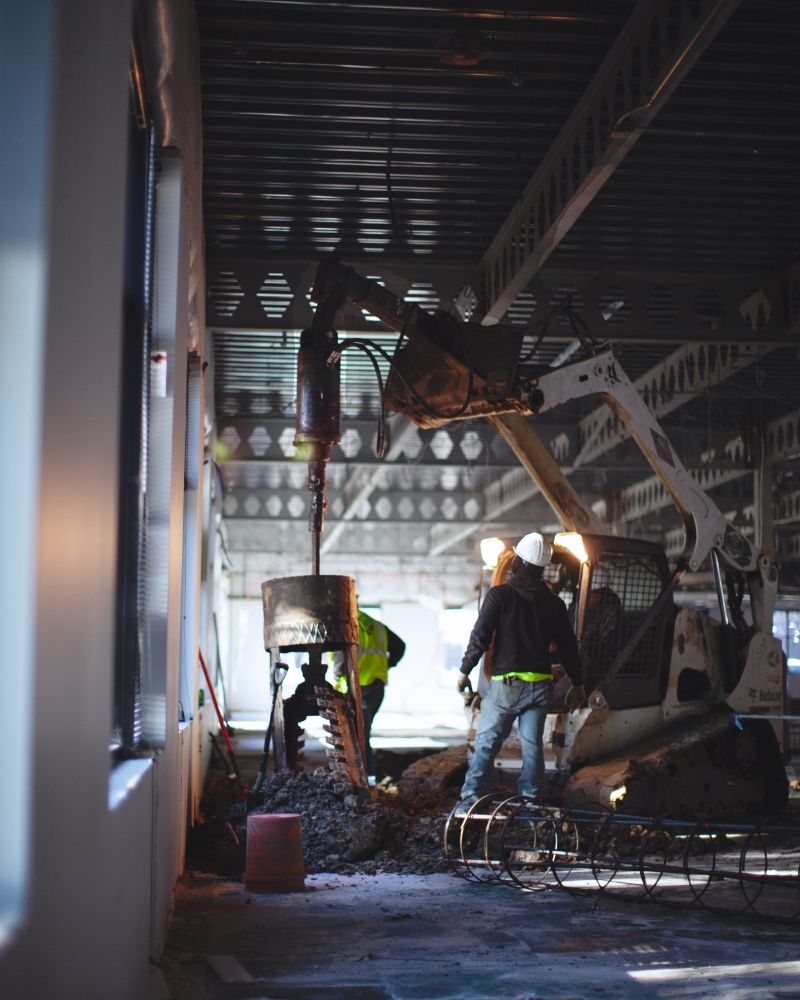
The hydraulic drive head is the heart of helical pier installation equipment. It rotates the pier shaft into the soil while measuring installation torque.
Why torque matters:
- Torque directly correlates to load capacity.
- Higher torque indicates stronger bearing soil.
- It allows installers to verify structural performance in real time.
Professional contractors use calibrated hydraulic motors designed specifically for foundation work not general construction attachments.
2. Mini-Excavators and Skid Steers
Helical piers are installed using compact machinery such as:
- Mini-excavators
- Skid steers
- Track loaders
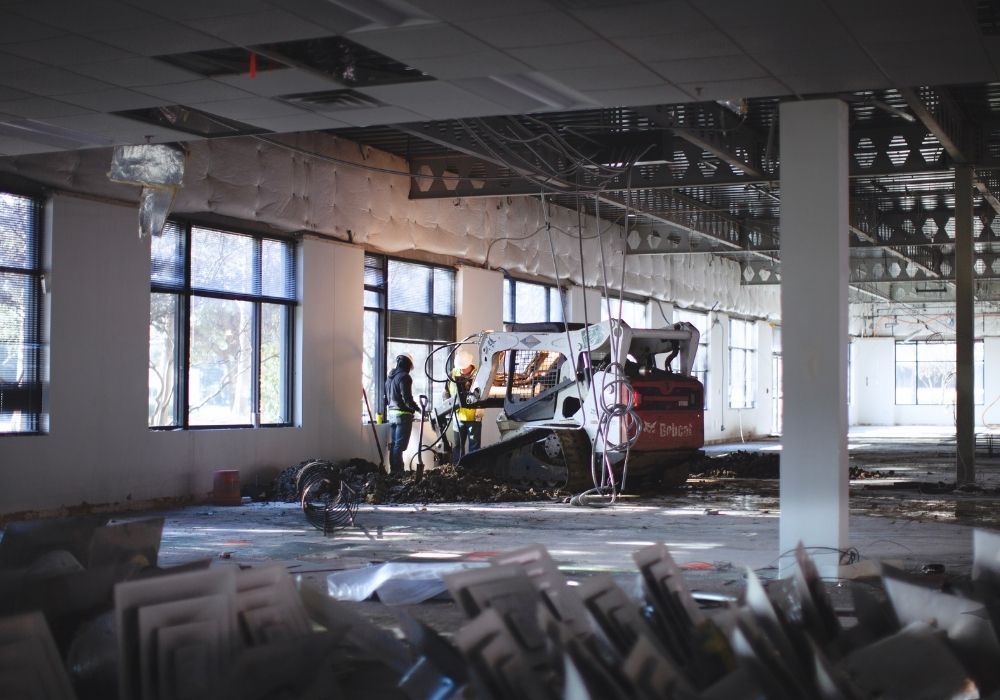
These machines allow access to tight residential areas while delivering enough hydraulic power to install piers to required depths. Compact equipment minimizes landscaping damage and reduces restoration costs.
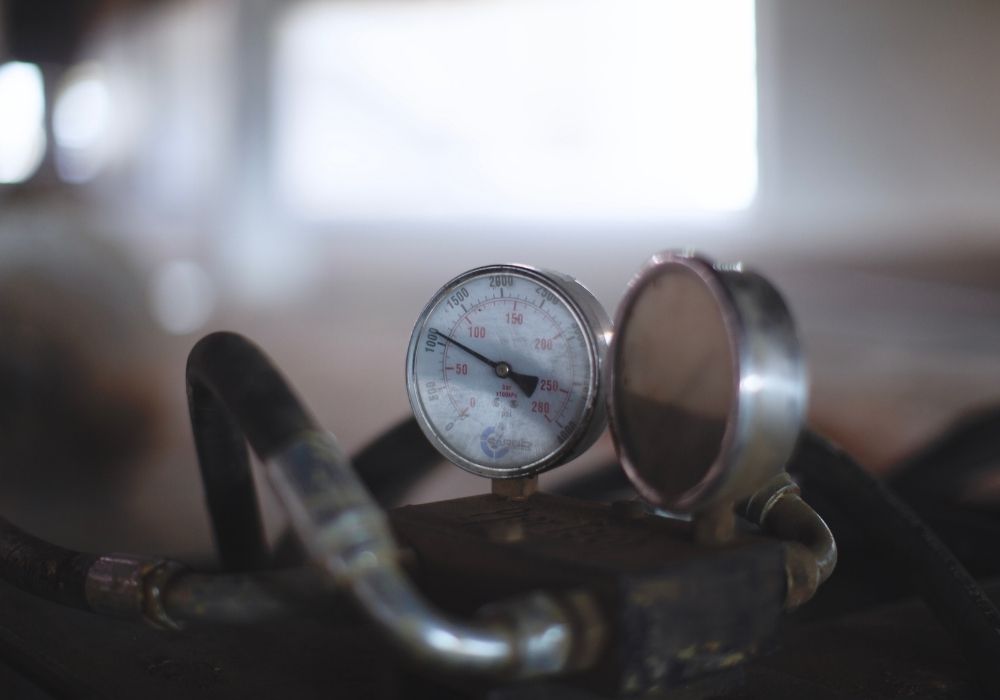
3. Torque Monitoring Systems
Modern helical pier equipment includes digital torque monitoring systems that:
- Track torque throughout installation
- Provide installation logs
- Verify engineering requirements
This data driven approach ensures the pier reaches competent bearing strata before installation is considered complete.
4. Extension Shafts and Lead Sections
Helical pier systems are modular. Equipment includes:
- Lead sections (with helical plates attached)
- Extension shafts (added to reach deeper soil layers)
The equipment allows installers to continue advancing the pier until required torque capacity is achieved.
5. Foundation Brackets
Once the pier is installed, specialized brackets connect it to the foundation. Common bracket types include:
- Slab brackets
- Side-load brackets
- New construction brackets
- Underpinning brackets
Proper bracket selection is part of the overall equipment system and directly affects lifting and stabilization performance.
Why Helical Pier Equipment Quality Matters
Not all contractors use the same grade of equipment. Proper helical pier installation requires:
- Sufficient torque capacity
- Calibrated hydraulic systems
- Experienced operators
- Equipment rated for structural loads
Using underpowered or improperly calibrated equipment can result in:
- Insufficient embedment
- Incorrect load assumptions
- Reduced long-term performance
At FnD Piers, we invest in professional-grade equipment designed specifically for structural foundation work, ensuring each pier is installed to engineered standards.
Benefits of Modern Helical Pier Equipment
Choosing a contractor with the right equipment provides several advantages:
Immediate Load Testing
Torque readings confirm capacity during installation, eliminating guesswork.
Minimal Excavation
Compact equipment reduces property disruption.
Faster Installation
Most residential projects can be completed within 1–2 days.
All-Weather Installation
Helical piers can be installed year-round in most conditions.
Deeper Soil Penetration
Hydraulic drive systems allow installation to greater depths when needed.
Helical Pier Equipment for Residential vs. Commercial Projects
Equipment selection varies based on project size:
- Compact machinery
- Lower torque capacity requirements
- Tight access navigation
Commercial / Industrial Projects
- High-capacity hydraulic drive heads
- Larger excavators
- Deep foundation systems
- Engineered load documentation
FnD Piers utilizes scalable equipment solutions tailored to your project’s structural demands.
What Homeowners Should Ask About Helical Pier Equipment
If you’re considering foundation repair, ask your contractor:
- What torque capacity does your equipment provide?
- Do you monitor and record installation torque?
- Is your equipment designed specifically for helical pier installation?
- How do you verify load capacity?
- What type of bracket system will be used?
The answers reveal whether the contractor prioritizes structural performance or simply installation speed.
Final Thoughts: The Equipment Behind Foundation Stability
Helical piers are one of the most advanced foundation repair solutions available, but their performance depends heavily on the equipment used to install them.
Professional helical pier equipment ensures:
- Accurate load transfer
- Structural reliability
- Reduced site disruption
- Long-term stabilization
If you’re experiencing foundation settlement or planning a new build requiring deep foundation support, contact FnD Piers for an evaluation. We combine engineering-driven installation with professional-grade equipment to deliver foundations built for strength and longevity.