When planning a new construction project or addressing foundation challenges, one of the most important decisions is choosing the right foundation system. A common question among property owners, builders, and developers is: pile vs pier foundation, which is better?
The answer depends on several factors, including soil conditions, structural loads, project size, and long-term performance requirements.
At FnD Piers, we help developers, builders, and commercial property owners select foundation solutions that provide lasting stability and structural confidence. In this guide, we’ll compare pile foundations and pier foundations, explore their advantages, and help you determine which option may be best for your project.
What Is a Pier Foundation?
A pier foundation uses vertical structural elements (piers) to transfer the weight of a structure into the ground. Piers are commonly used for:
- Light-frame structures
- Decks
- Additions
- Light commercial structures
- Foundation repair projects
Pier foundations can be constructed using:
- Concrete piers
- Steel piers
- Helical piers
Rather than supporting the entire structure with a continuous slab, individual piers transfer loads to deeper soil layers.
What Is a Pile Foundation?
A pile foundation uses long structural members called piles that extend deep into the ground to reach stable bearing layers.
Pile foundations are often used for:
- Commercial buildings
- Bridges
- Industrial facilities
- Multi-story structures
- Heavy-load applications
Piles can be made from:
- Steel
- Concrete
- Timber
- Composite materials
Pile foundations are designed to support significant structural loads where surface soils cannot provide adequate support.
Pile vs Pier Foundation: Understanding the Key Differences
Although the terms are sometimes used interchangeably, pile foundations and pier foundations differ in several important ways.
Feature | Pier Foundation | Pile Foundation |
Typical Use | Small structures and light commercial | Commercial and heavy structures |
Installation Method | Drilled, pressed, or screwed | Driven, drilled, or cast in place |
Load Capacity | Moderate to high | High to very high |
Equipment Requirements | Moderate | Heavy equipment often required |
Cost | Typically, lower | Typically, higher |
Installation Speed | Faster for many projects | Often more complex |
Site Disruption | Minimal to moderate | Moderate to significant |
When a Pier Foundation May Be the Better Choice
Pier foundations are often preferred when:
Existing Foundation Repair Is Needed
Helical piers and steel piers are commonly used to stabilize buildings experiencing settlement.
Access Is Limited
Pier systems can often be installed in tight, built-up areas with minimal disruption.
Faster Installation Is Desired
Many pier systems can be installed quickly without extensive excavation.
Soil Conditions Allow
When stable bearing layers can be reached economically, pier foundations can provide an excellent solution.
When a Pile Foundation May Be the Better Choice
Pile foundations are frequently selected when:
Extremely Heavy Loads Are Present
Large commercial and industrial structures often require higher load capacities.
Weak Surface Soils Extend Deep Below Grade
Some sites require very deep foundation systems to reach competent bearing strata.
Large-Scale Construction Is Planned
Pile foundations are common for high-rise buildings, bridges, and major infrastructure projects.
Helical Piers: Combining Efficiency and Performance
One of the fastest-growing foundation solutions today is the helical pier system.
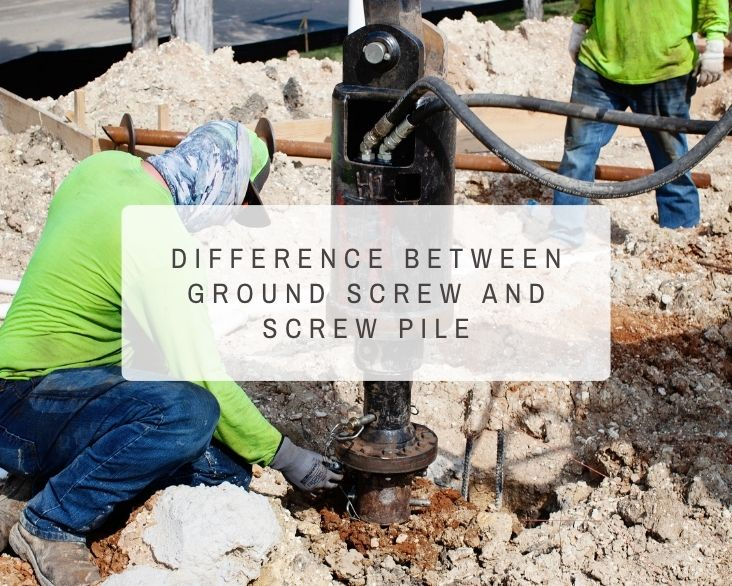
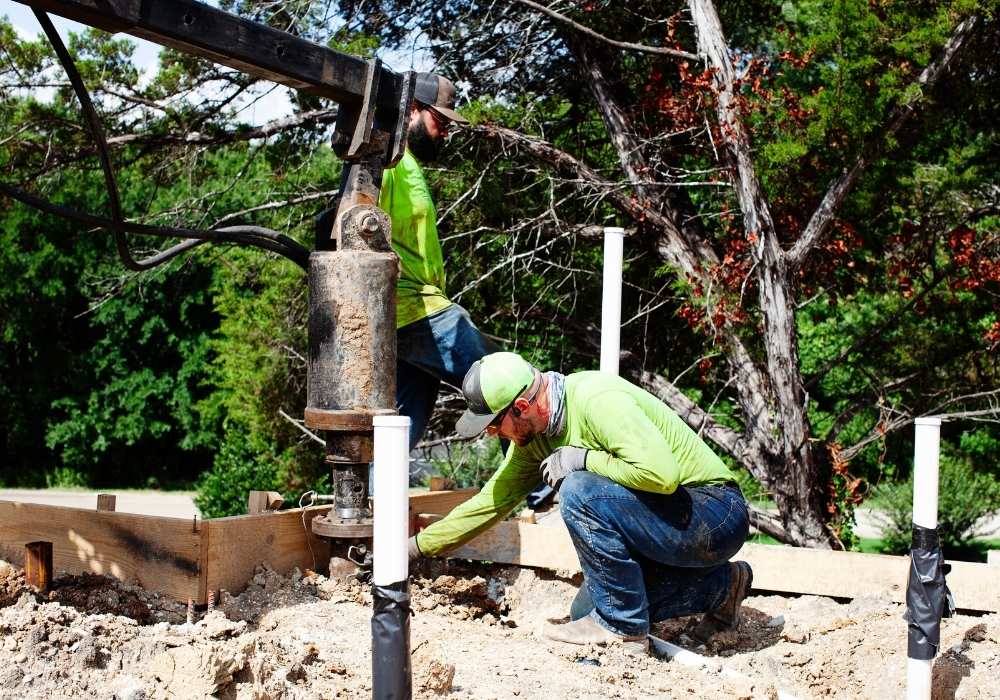
Helical piers are steel shafts with helical plates that are mechanically rotated into the ground until they reach suitable bearing soil.
Advantages of Helical Piers
- Minimal excavation
- Fast installation
- Immediate load-bearing capacity
- Precise torque verification
- Reduced site disturbance
- Excellent performance in challenging soil conditions
For many light commercial and small-structure projects, helical piers provide a practical alternative to larger pile foundation systems.
Soil Conditions Matter More Than Foundation Type
When comparing pile vs pier foundation systems, soil conditions often have a greater impact on performance than the foundation category itself.
Key factors include:
Soil Bearing Capacity
Can the soil support the intended load?
Moisture Content
Does the soil expand and contract significantly?
Depth to Stable Soil
How far below grade must the foundation extend?
Settlement Risk
Is the site prone to movement over time?
A professional site evaluation helps determine the most appropriate foundation system.
Cost Comparison: Pile vs Pier Foundation
Cost varies significantly depending on:
- Project size
- Soil conditions
- Required depth
- Structural loads
- Equipment requirements
In general:
Pier Foundations
- Often lower installation costs
- Faster installation timelines
- Less site disruption
Pile Foundations
- Higher capacity for large structures
- Greater installation complexity
- More specialized equipment requirements
The best value comes from selecting the system that meets the project’s engineering requirements without unnecessary cost.
How Foundation Movement Impacts Existing Structures
For existing structures experiencing settlement, pier systems are often the preferred repair solution.
Signs of foundation movement include:
- Cracked drywall
- Uneven floors
- Sticking doors and windows
- Stair-step brick cracks
- Foundation cracks
In these situations, helical piers can often stabilize the structure by transferring loads to deeper, more stable soil layers.
Why Choose FnD Piers?
At FnD Piers, we specialize in engineered foundation solutions designed to match each project’s unique soil conditions and structural requirements.
Our services include:
- Helical pier installation
- Foundation stabilization
- New construction foundation support
- Settlement repair
- Structural evaluations
Our goal is to provide foundation systems that deliver long-term stability and peace of mind.
Final Thoughts: Choosing Between a Pile and Pier Foundation
When evaluating pile vs pier foundation systems, there is no universal answer.
The right choice depends on:
- Structural load requirements
- Soil conditions
- Project scope
- Budget
- Long-term performance goals
For many smaller buildings and light commercial projects, helical pier systems offer an efficient, cost-effective solution with proven long-term performance. For larger structures and heavy-load applications, pile foundations may be the better choice.
The key is selecting a foundation system based on engineering requirements rather than assumptions.
Need help determining whether a pile foundation or pier foundation is right for your project?
Contact FnD Piers today for a professional evaluation and discover how our engineered foundation solutions can provide the stability your structure needs for years to come.
Call (817) 402-7113 Today.