When it comes to foundation performance, soil conditions play a critical role. While expansive clay soils get most of the attention in North Texas, sandy soil foundations present their own unique set of challenges and opportunities.
If you’re building or maintaining a structure on sandy soil, understanding how this soil behaves is essential to ensuring long-term structural stability.
At FnD Piers, we help property owners, builders, and engineers design and stabilize foundations across a wide range of soil conditions, including sandy soils,throughout Dallas–Fort Worth and North Texas.
What Is a Sandy Soil Foundation?
A sandy soil foundation refers to a structure built on soil that contains a high percentage of sand particles.
Sandy soils are made up of larger, granular particles that:
- Drain water quickly
- Do not retain moisture like clay
- Provide relatively low cohesion between particles
Because of these characteristics, sandy soil behaves very differently from clay-based soils.
How Sandy Soil Affects Foundations
Sandy soil can provide a stable base under the right conditions, but it also presents specific risks that must be managed properly.
1. Low Cohesion
Unlike clay, sandy soil does not “stick together.” This means it can shift or move under load if not properly compacted.
2. High Drainage
Sandy soils allow water to pass through quickly. While this reduces swelling issues, it can lead to:
- Soil erosion beneath the foundation
- Loss of support over time
- Washout during heavy rainfall
3. Variable Load-Bearing Capacity
Sandy soil can support loads effectively when compacted, but loose sand may compress under weight, leading to settlement.
Common Problems with Sandy Soil Foundations
While sandy soil does not expand and contract like clay, it can still create foundation issues if not properly addressed.
Settlement and Shifting
One of the most common issues with a sandy soil foundation is settlement.
This occurs when:
- The soil beneath the foundation compacts unevenly
- Loose sand compresses under structural load
- Water movement causes soil displacement
Settlement can lead to:
- Uneven floors
- Cracks in walls or slabs
- Structural misalignment
Soil Erosion and Washout
Because sandy soil drains quickly, it is more susceptible to erosion.
Heavy rain or poor drainage can wash soil away from beneath the foundation, creating voids that reduce structural support.
This can result in:
- Foundation sinking
- Voids beneath slabs
- Increased structural stress
Poor Compaction During Construction
If sandy soil is not properly compacted before construction, the foundation may settle over time as the soil naturally consolidates.
Proper compaction is critical to ensuring long-term stability.
Advantages of Sandy Soil Foundations
Despite its challenges, sandy soil offers several benefits when properly managed.
Reduced Expansion Risk
Unlike clay, sandy soil does not expand significantly when wet, reducing the risk of foundation heaving.
Faster Drainage
Water moves quickly through sandy soil, reducing prolonged saturation near the foundation.
Easier Excavation
Sandy soil is generally easier to work with during construction, allowing for faster site preparation.
How to Build a Strong Foundation on Sandy Soil
To ensure long-term performance, a sandy soil foundation must be properly designed and installed.
1. Proper Soil Compaction
Before construction, sandy soil should be compacted in layers to increase density and load-bearing capacity.
2. Controlled Drainage
Even though sandy soil drains well, uncontrolled water flow can lead to erosion.
Effective drainage strategies include:
- Proper grading away from the structure
- Gutters and downspouts
- Controlled runoff systems
3. Foundation Design Based on Soil Conditions
The type of foundation used should match the soil conditions and structural load.
Options may include:
- Reinforced slab foundations
- Grade beam systems
- Deep foundation systems such as helical piers
4. Use of Helical Piers for Added Stability
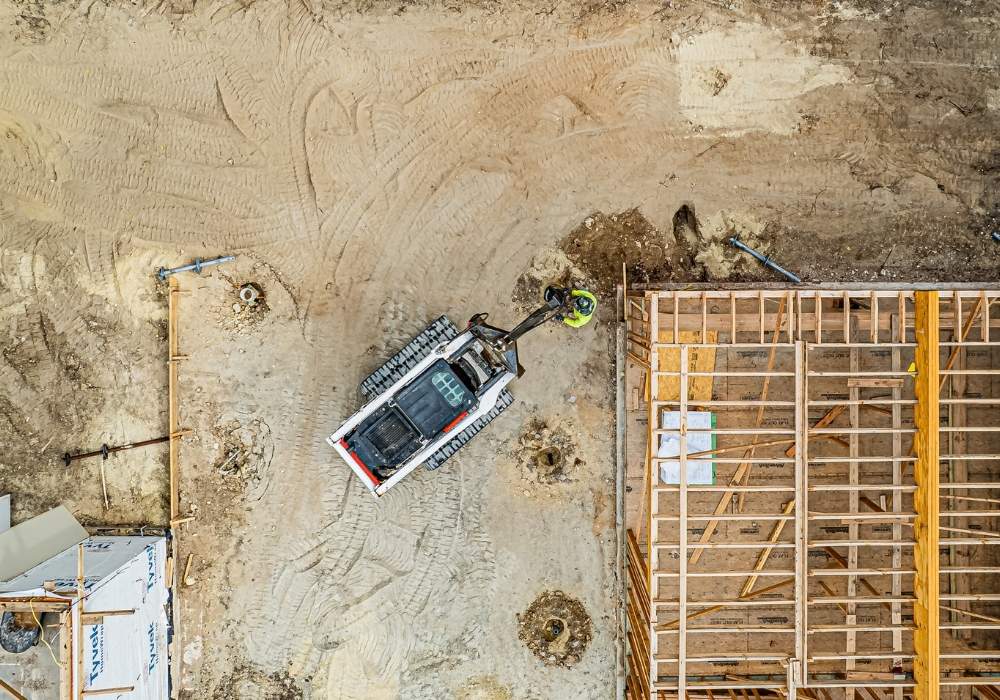
In cases where sandy soil lacks sufficient support, helical piers can be used to transfer the load of the structure deeper into more stable soil layers.
Helical piers provide:
- Reliable load-bearing support
- Resistance to settlement
- Long-term structural stability
Sandy Soil Foundations in North Texas
While North Texas is known for expansive clay, certain areas contain sandy or mixed soils that require specialized foundation solutions.
Understanding how sandy soil interacts with moisture and structural load is essential for both commercial projects and new construction.
At FnD Piers, we evaluate each site individually to determine the best approach for foundation performance.
Why Professional Evaluation Matters
Every foundation project is unique.
Without proper evaluation, sandy soil can lead to:
- Unexpected settlement
- Structural instability
- Increased repair costs over time
A professional assessment ensures:
- Accurate soil analysis
- Proper foundation design
- Long-term structural performance
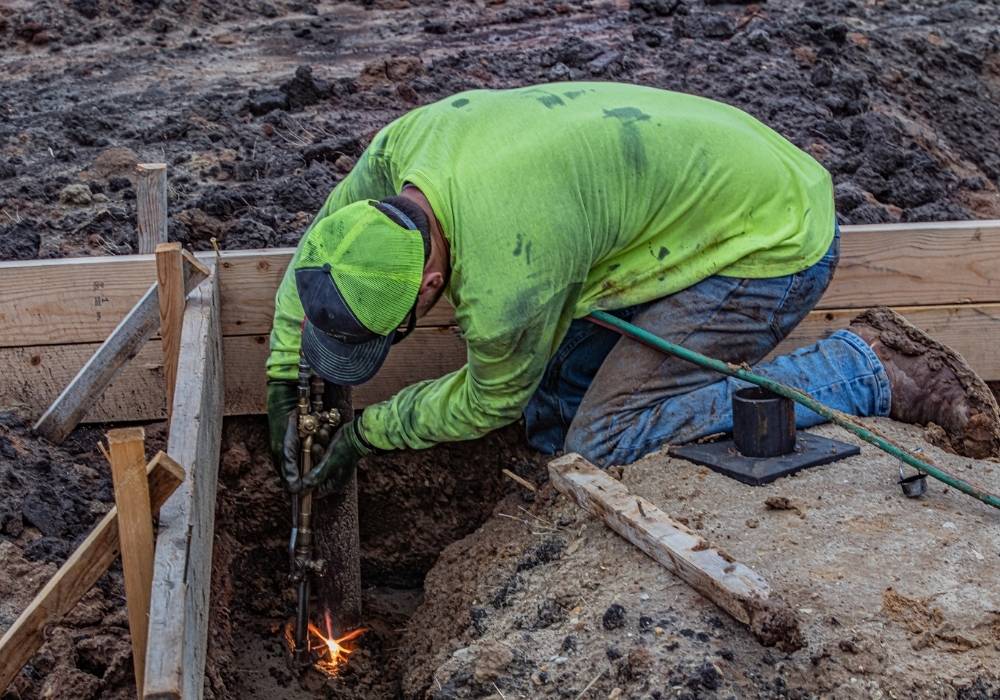
Trust FnD Piers for Sandy Soil Foundation Solutions
If you are building on or dealing with issues related to a sandy soil foundation, FnD Piers provides expert evaluation and engineered solutions tailored to your property.
We serve builders and developers throughout:
- Dallas
- Fort Worth
- Arlington
- Plano
- Grapevine
- Surrounding North Texas communities
Schedule Your Foundation Evaluation
Don’t leave your foundation to chance.
Contact FnD Piers today to evaluate your sandy soil foundation and determine the right solution.
Our team will:
- Assess soil conditions
- Identify risks
- Recommend engineered solutions for long-term stability
Call (817) 402-7113