Natural disasters can devastate buildings, businesses, and critical infrastructure in a matter of hours. Hurricanes, floods, tornadoes, earthquakes, and severe storms often leave foundations compromised, making recovery both challenging and urgent. One solution that has become increasingly valuable in disaster recovery is the use of helical piers.
When speed, structural stability, and minimal site disruption are priorities, disaster relief with helical piers provides an engineered foundation solution that helps property owners rebuild stronger and recover faster.
At FnD Piers, we provide helical pier systems that help stabilize damaged structures, support reconstruction efforts, and strengthen foundations for the future.
Why Foundation Stability Matters After a Disaster
Natural disasters rarely damage only the visible portions of a structure. Flooding, erosion, saturated soils, and ground movement can weaken the foundation beneath a commercial or public building.
Common post-disaster foundation issues include:
- Foundation settlement
- Soil erosion beneath footings
- Shifting or unstable soil
- Cracked slabs
- Leaning structures
- Structural movement
- Damaged retaining walls
Before repairs to walls, roofs, or interiors begin, the foundation should be evaluated to ensure the structure remains properly supported.
Why Foundation Stability Matters After a Disaster
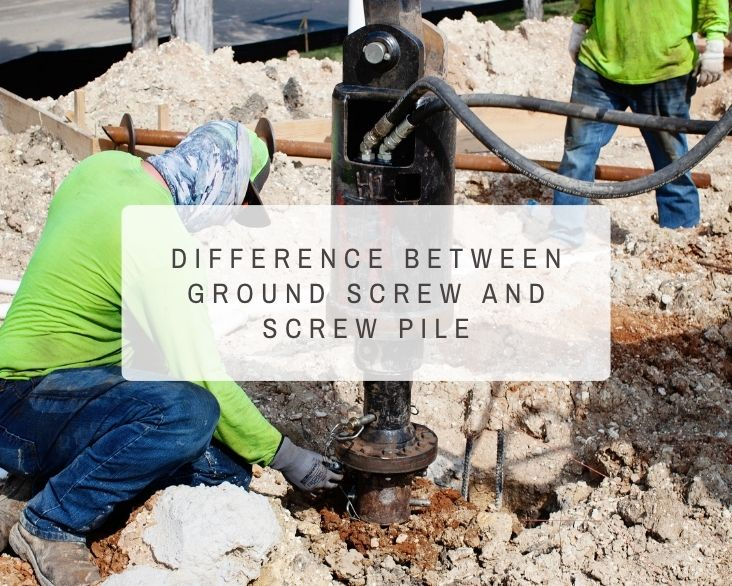
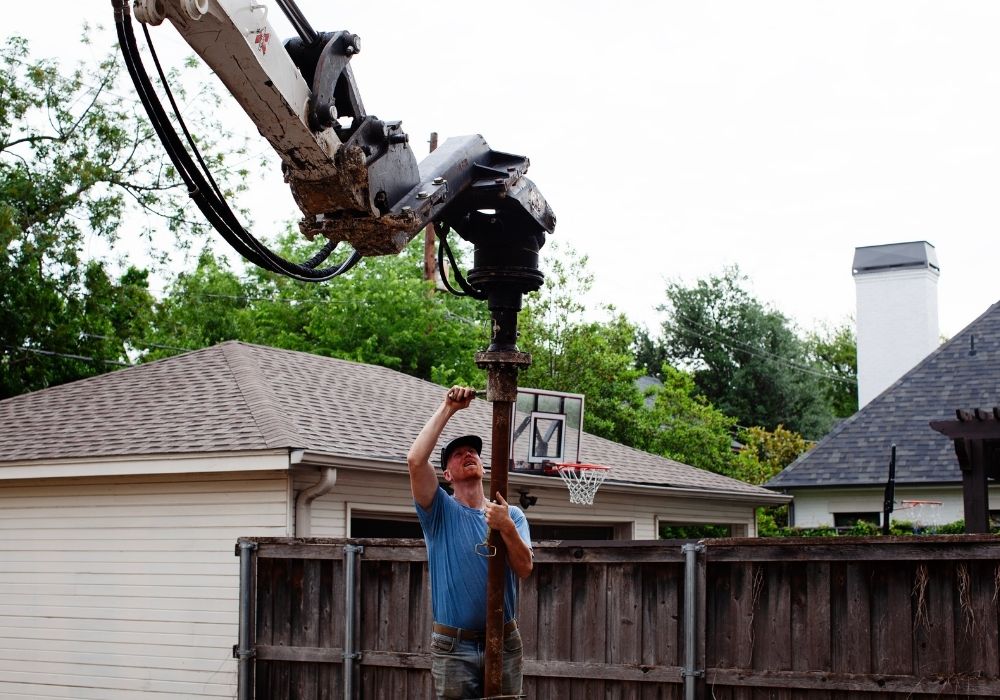
Helical piers are steel foundation elements with helical plates that are mechanically advanced into stable soil using hydraulic equipment.
Unlike traditional concrete foundations, helical piers can often be installed quickly with minimal excavation, making them particularly valuable during disaster recovery efforts. They provide immediate load-bearing capacity and are frequently used to stabilize damaged foundations after extreme weather events.
Benefits of Disaster Relief with Helical Piers
1. Fast Installation
Following a natural disaster, time is critical.
Helical piers can often be installed much faster than traditional foundation systems because they:
- Require little excavation
- Eliminate concrete cure time
- Allow immediate structural support
This helps property owners begin rebuilding sooner.
2. Immediate Load-Bearing Capacity
Concrete foundations often require days or weeks before reaching design strength.
Helical piers begin supporting structural loads immediately after installation, allowing repairs to proceed without unnecessary delays.
3. Minimal Site Disturbance
Disaster sites are often difficult to access due to debris, damaged landscaping, or unstable conditions.
Helical piers require:
- Smaller equipment
- Less excavation
- Reduced soil displacement
This minimizes additional disruption while reconstruction is underway.
4. Excellent Performance in Challenging Soil Conditions
After floods or severe storms, soil conditions often change dramatically.
Helical piers perform well in:
- Saturated soils
- Soft ground
- Expansive clay
- Areas affected by erosion
Because the piles extend to deeper, more stable bearing layers, they help bypass weakened surface soils.
5. Ideal for Raising and Rebuilding Structures
Many disaster recovery projects involve lifting structures to comply with updated floodplain regulations or replacing damaged foundations.
Helical piers have been used successfully to support elevated structures and rebuilding efforts following major hurricanes because they install quickly and adapt well to retrofit applications.
Types of Disasters Where Helical Piers Can Help
Hurricanes
High winds, flooding, and storm surge often undermine foundation support.
Helical piers can stabilize existing foundations and support elevated rebuilding projects.
Flood Damage
Floodwaters can erode supporting soils beneath structures.
Helical piers transfer loads below compromised soil layers to improve long-term stability.
Tornado Damage
When structures experience partial collapse or shifting, foundation evaluation becomes essential before rebuilding.
Helical piers provide dependable support during structural restoration.
Earthquakes
Ground movement can affect shallow foundations.
Research has shown that helical pile systems can exhibit strong performance under seismic loading and liquefaction conditions because of their deep load transfer and reduced settlement characteristics.
Landslides and Soil Movement
Slope failures and unstable ground can compromise traditional foundations.
Helical piers can stabilize structures by transferring loads beyond unstable soil zones.
Common Disaster Recovery Applications
Helical piers are used to restore and support a wide variety of structures, including:
- Light-frame structures
- Commercial buildings
- Apartment complexes
- Schools
- Municipal buildings
- Utility infrastructure
- Boardwalks
- Docks
- Retaining walls
- Elevated foundations
Their versatility makes them valuable in both emergency stabilization and permanent reconstruction projects.
Why Helical Piers Are a Smart Long-Term Solution
Disaster recovery isn’t just about repairing damage—it’s about reducing future risk.
Helical piers help provide:
- Long-term structural stability
- Improved resistance to future settlement
- Reliable support in poor soil
- Reduced maintenance
- Adaptability for future additions or renovations
When properly engineered and installed, they become part of a stronger rebuilding strategy rather than simply replacing what failed before.
Professional Installation Makes the Difference
Successful disaster recovery requires more than quality materials.
Proper installation includes:
- Geotechnical evaluation
- Structural load analysis
- Hydraulic installation
- Torque monitoring
- Engineering verification
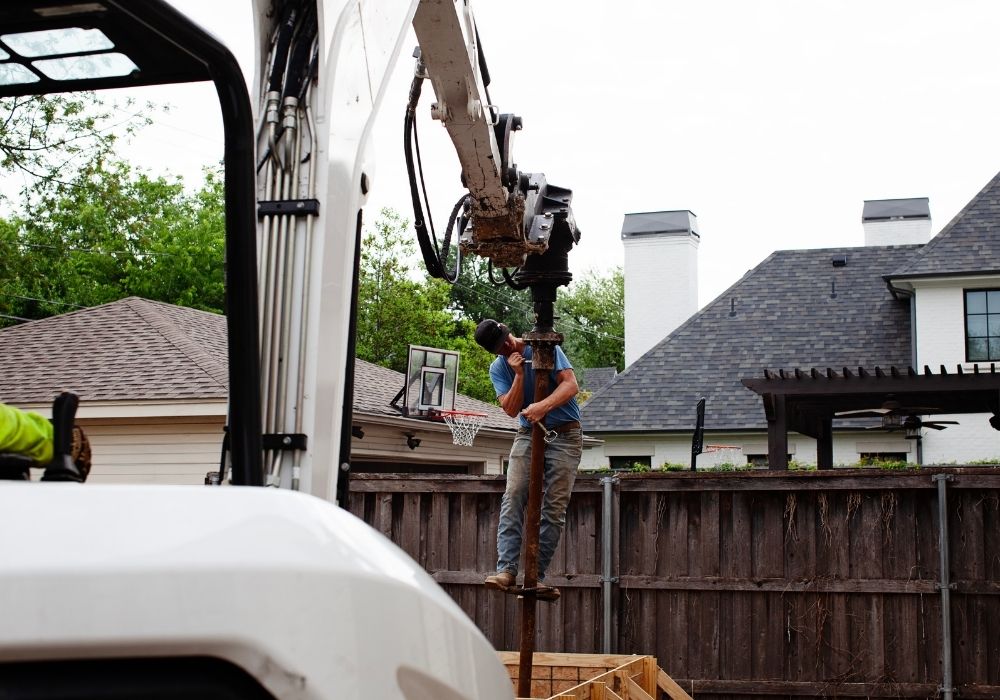
At FnD Piers, we use professional-grade equipment and proven installation methods to ensure every helical pier system is designed for long-term structural performance.
Why Choose FnD Piers?
At FnD Piers, we understand that disaster recovery requires speed, precision, and dependable engineering.
We provide:
- Emergency foundation evaluations
- Helical pier installation
- Foundation stabilization
- Structural underpinning
- New foundation support
- Commercial and new construction foundation solutions
Our mission is to help property owners, builders, businesses, and communities recover with confidence by providing engineered foundation systems built to last.
Final Thoughts: Rebuild Stronger After the Storm
Natural disasters may damage structures, but they don’t have to define their future.
Disaster relief with helical piers offers property owners a fast, efficient, and long-lasting solution for stabilizing foundations and supporting reconstruction efforts. With immediate load-bearing capacity, minimal site disruption, and excellent performance in difficult soil conditions, helical piers have become an essential tool in modern disaster recovery.
Whether you’re rebuilding after a hurricane, flood, tornado, or other natural disaster, investing in a stronger foundation today can help protect your property against tomorrow’s challenges.
Has your property been affected by a storm, flood, or other natural disaster?
Contact FnD Piers today for a professional foundation evaluation and discover how our engineered helical pier systems can help restore stability, accelerate recovery, and build a stronger foundation for the future.
Call (817) 402-7113 Today