A sill, pier and beam foundation may look simple from the outside, but underneath the structure is a system of structural components working together to support and distribute the building’s weight.
Piers provide vertical support. Sill beams distribute loads across those supports. Floor joists span the foundation system and support the flooring and structure above. When one component settles, deteriorates, or loses support, building owners may begin noticing uneven floors, sticking doors, cracks, or other signs of foundation movement.
Understanding how a sill, pier and beam foundation works can help you recognize problems earlier and determine when professional foundation repair may be necessary.
What Is a Pier and Beam Foundation?
A pier and beam foundation is a type of crawl space foundation that elevates the floor structure above the ground.
Instead of resting directly on a concrete slab, the building is supported by a combination of piers, beams, sills, and floor joists.
A typical system includes:
- Piers supporting the structure from below
- Perimeter foundation support
- Wooden sill beams
- Floor joists
- Subflooring and the structure above
The open area between the ground and floor structure creates the crawl space.
Pier and beam foundations can provide convenient access to plumbing, electrical systems, and structural components, but the multiple support points also mean several components must continue working together properly.
What Is a Sill in a Pier and Beam Foundation?
A sill is generally a horizontal structural member located near the bottom of the structure’s framing system.
In pier and beam construction, wooden sill beams help distribute structural loads and provide support for other framing components.
The reference article identifies several sill configurations that may be encountered in crawl space foundations, including main sills, hallway sills, shaker sills, mud sills, and sleeper sills. Their specific functions and terminology can vary by construction and repair practice.
Main Sills
Main sills are fundamental structural components typically installed during original construction. They help support walls and transfer loads to the foundation system below.
Hallway Sills
Additional sill support may sometimes be installed beneath interior walls where floor joists need reinforcement.
Shaker Sills
Shaker sills may be added during foundation repair to provide additional support beneath floors that feel bouncy or unstable.
Mud Sills
A mud sill provides a transition between masonry or concrete foundation components and the wood framing above.
Sleeper Sills
Additional sill support can sometimes be installed beneath areas carrying concentrated loads.
Regardless of terminology, the objective is the same: provide adequate support and distribute structural loads through the foundation.
How Do Piers Work?
Piers provide vertical support underneath the structure.
They are positioned at strategic locations so the weight of the building can be transferred from the beams and framing into the supporting ground.
Traditional pier and beam structures may contain piers constructed from materials such as:
- Wood
- Brick and mortar
- Concrete blocks
- Poured concrete
Different construction periods and regions may use different pier systems.
If the supporting soil moves or a pier deteriorates, the structural components above it can move as well.
Helical Pier vs Helical Pile: Are They the Same Thing?
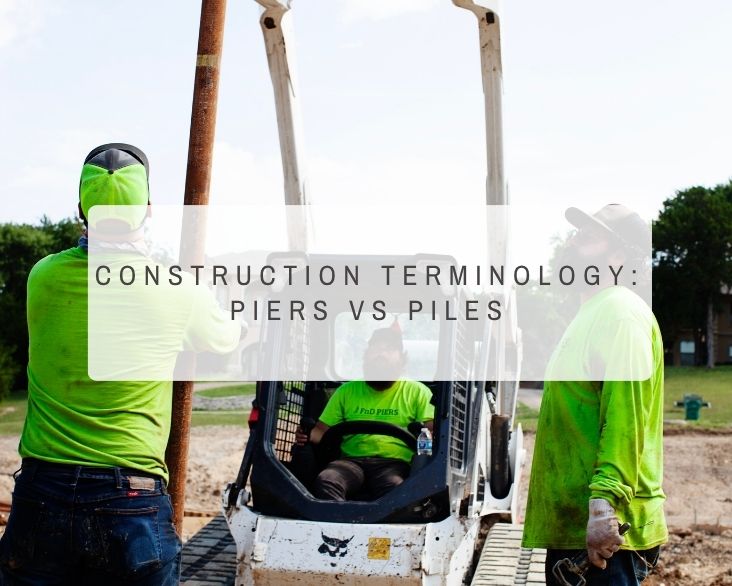
In common construction usage, helical pier and helical pile frequently describe the same general foundation technology.
Other names include:
- Screw pile
- Screw pier
- Helical anchor
- Helical foundation
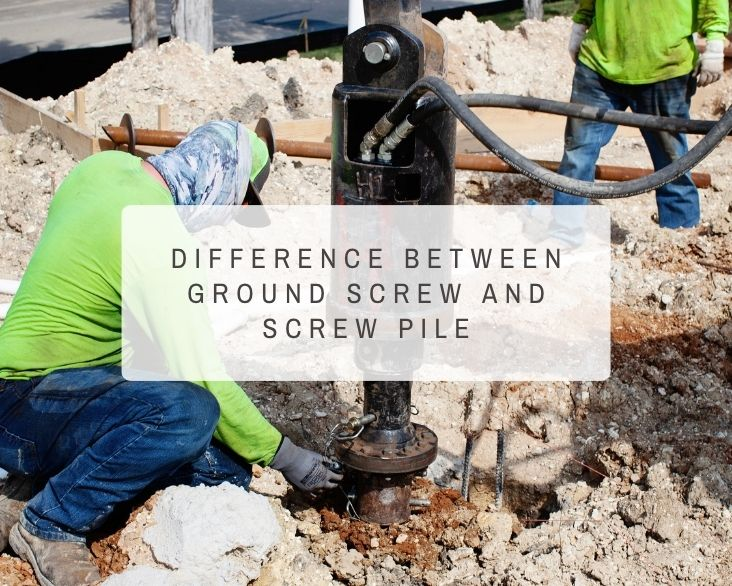
A typical helical foundation element consists of a steel shaft with one or more helical bearing plates.
Hydraulic equipment rotates the shaft into the soil until the engineered installation criteria are achieved.
Whether someone calls that element a helical pier or helical pile, the more important questions are:
What is the product designed to do, what loads must it carry, and how will its capacity be verified?
Common Sill, Pier and Beam Foundation Problems
Because these foundations contain multiple interconnected components, problems can develop for several reasons.
1. Soil Movement
Expansive soils can swell when wet and shrink when dry. These changes may cause piers to shift or settle.
2. Moisture and Drainage
Poor drainage can increase soil movement and create excessive moisture beneath the building.
Moisture can also contribute to deterioration of wooden structural components.
3. Damaged or Deteriorated Sills
Sill beams can deteriorate because of moisture, insects, age, or inadequate support.
When a sill loses structural integrity, floors and walls above it may begin to sag or move.
4. Pier Settlement
If soil beneath a pier can no longer adequately support the structural load, the pier may settle.
That settlement can create uneven support across the foundation.
Warning Signs of Pier and Beam Foundation Problems
Property owners should watch for symptoms such as:
- Uneven or sloping floors
- Bouncy or sagging floors
- Doors that stick
- Doors that no longer latch correctly
- Interior wall cracks
- Gaps around doors or windows
- Visible deteriorated wood
- Excessive crawl space moisture
These symptoms do not automatically prove that major foundation repair is required, but they are reasons to investigate the structure.
How Are Sill, Pier and Beam Foundations Repaired?
There isn’t one repair method for every pier and beam foundation.
The appropriate repair depends on what is actually failing.
If wooden components have deteriorated, damaged sills or joists may require replacement or reinforcement.
If existing piers have shifted, they may require adjustment, replacement, or additional support.
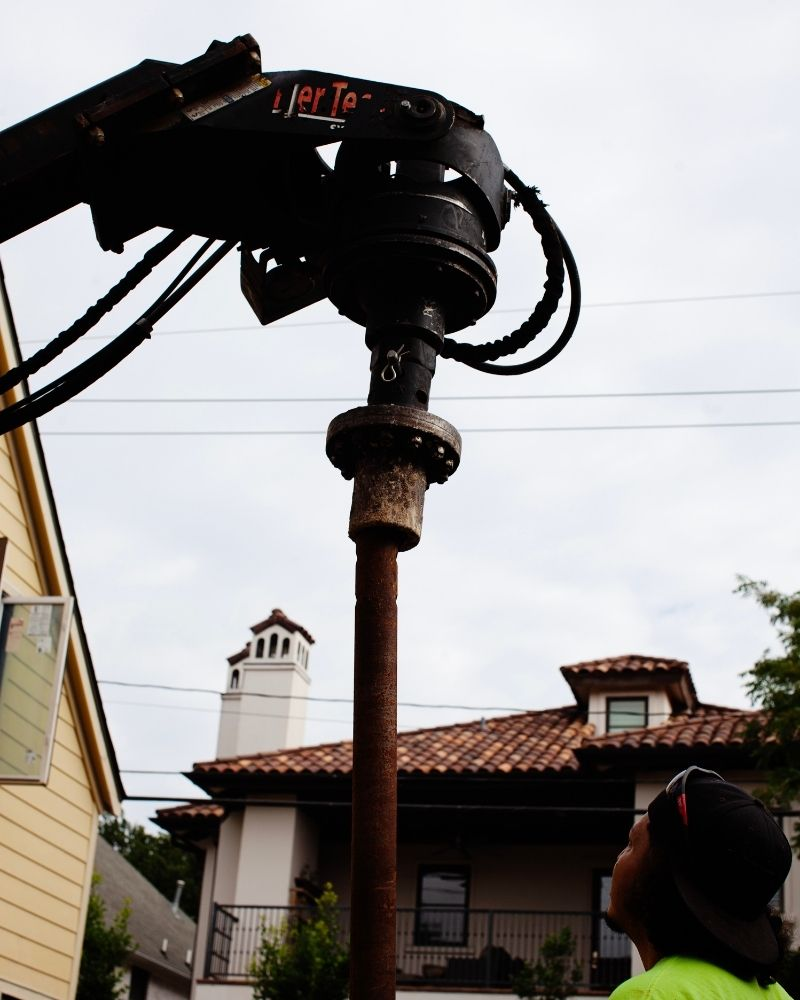
If deeper soil instability is contributing to settlement, a deep foundation solution may need to be considered.
The important principle is to diagnose the cause of the movement, rather than simply repairing visible symptoms.
Can Helical Piers Help Stabilize a Foundation?
For certain foundation settlement problems, helical piers can provide an engineered deep foundation solution.
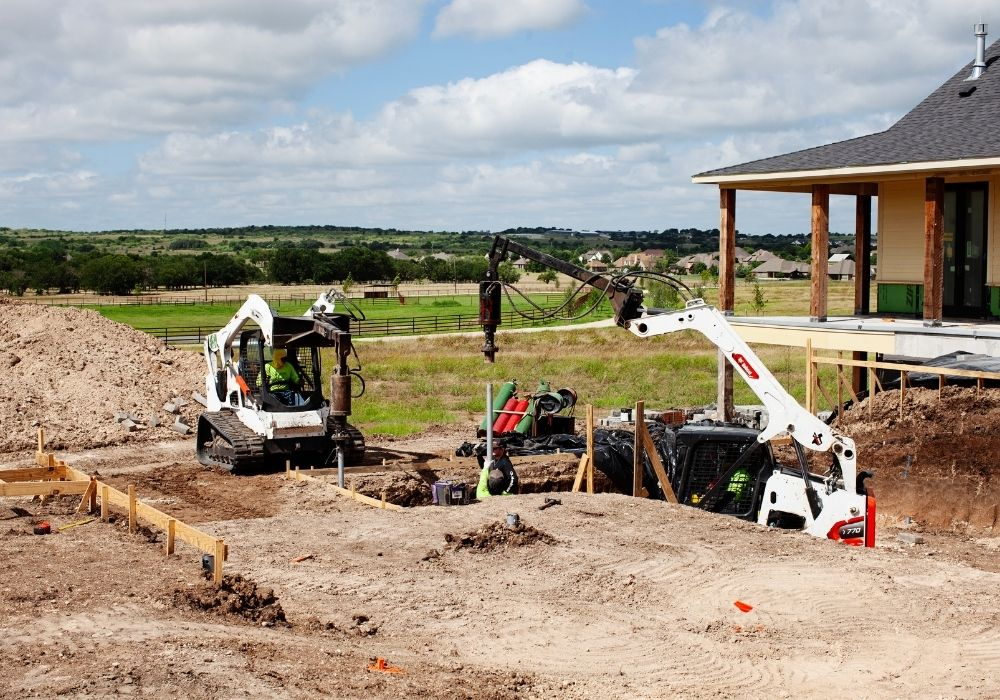
Helical piers are steel foundation elements containing helical plates. They are mechanically rotated into the ground until they reach the engineered installation criteria and suitable load-bearing soils.
The system can then transfer structural loads away from unstable near-surface soils and into deeper supporting soils.
FnD Piers uses helical piers for foundation stabilization and describes them as particularly useful where unstable or expansive soils contribute to foundation movement.
Potential benefits include:
- Minimal excavation
- Low installation vibration
- Installation in limited-access areas
- Immediate load-bearing capability
- Engineered foundation stabilization
Whether helical piers are appropriate depends on the building’s structure, loads, soil conditions, and the cause of the foundation problem.
Why Choose FnD Piers?
FnD Piers specializes in engineered helical pier and deep foundation solutions.
We work with property managers, contractors, builders, and engineers on projects requiring:
- Foundation stabilization
- Helical pier installation
- Foundation underpinning
- Deep foundation systems
- New construction foundations
The objective isn’t simply to level a floor or close a crack.
It’s to determine why the structure moved and provide the appropriate support to address the underlying foundation problem.
Frequently Asked Questions
What is a sill in a pier and beam foundation?
A sill is a horizontal structural member that helps support framing and distribute structural loads through the foundation system.
What causes pier and beam foundations to fail?
Common contributors include soil movement, settlement, excessive moisture, poor drainage, deteriorated wood, damaged piers, and inadequate structural support.
Can sill beams be replaced?
Yes. Deteriorated or damaged sill beams can often be replaced or reinforced as part of a pier and beam foundation repair project.
Can helical piers repair a pier and beam foundation?
Helical piers may be appropriate when foundation movement is related to inadequate support from near-surface soils. The structure and soil conditions should be evaluated to determine the proper repair.
Final Thoughts
A sill, pier and beam foundation depends on multiple components working together.
The piers provide vertical support. Sills and beams distribute structural loads. Joists and framing carry the structure above.
When one part begins to fail, the symptoms may appear throughout the structure.
If you’re noticing uneven floors, sticking doors, cracks, or signs of foundation settlement, don’t focus only on the visible damage.
Find the source of the movement first.
Concerned About Your Pier and Beam Foundation?
Contact FnD Piers to discuss your foundation concerns. Our team can evaluate whether an engineered helical pier solution can provide the deeper, more stable support your structure requires.
Call: (817) 402-7113 Today