How High-Water Can Impact Your Foundation Issues from Landscaping
Curb appeal is often one of the top priorities for commercial property owners and managers. Beautiful landscaping, lush lawns, and thriving flower beds can enhance property value and make a strong first impression. However, what many people don’t realize is that curb appeal can sometimes work against the structural integrity of a property.
The question many property owners should ask is: Is curb appeal eroding your building’s structural integrity?
High-water landscaping often requires frequent irrigation, which will interact with your property’s subgrade soils. Over time, this excess moisture can cause soil movement that affects foundations, slabs, and structural stability.
At FnD Piers, we regularly see foundation issues from landscping that stem from landscaping practices that unintentionally create unstable soil conditions around buildings.
How Landscaping Can Affect Structural Integrity
Landscaping itself is not the problem. The issue arises when high-water landscaping demands frequent irrigation, which can lead to foundation issues from landscaping by causing moisture fluctuations in the soil beneath and around the structure.
When soil beneath a building absorbs too much water, it can expand. When it dries out, it contracts. These changes may seem minor, but they can create significant stress on foundations over time.
This is particularly true in regions like North Texas, where expansive clay soils dominate the subgrade beneath many commercial and industrial structures.
What Is Subgrade Soil and Why It Matters
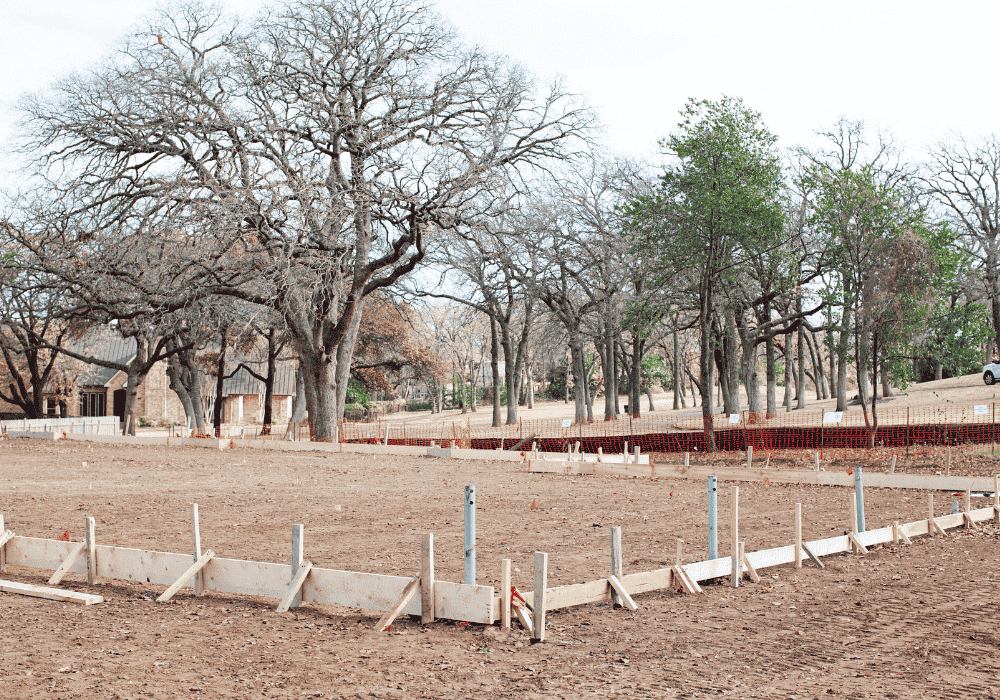
The subgrade refers to the soil layer directly beneath your foundation. This layer plays a critical role in supporting the weight of the structure.
If the subgrade becomes unstable due to moisture changes, the foundation may begin to shift, settle, or heave.
Common consequences include:
- Foundation cracking
- Uneven floors
- Door and window misalignment
- Structural settlement
- Exterior wall cracks
The stability of the subgrade is one of the most important factors in maintaining the long-term structural performance of a building.
High-Water Landscaping and Soil Expansion
Certain landscaping features require significantly more water than others. These include:
- Large lawns with high irrigation demand
- Flower beds near foundations
- Trees and shrubs with extensive root systems
- Decorative landscaping with drip irrigation systems
While these features enhance visual appeal, they often require frequent watering schedules, which can introduce excess moisture into the soil near the foundation and contribute to foundation issues from landscaping.
When this moisture reaches the subgrade, it can cause expansive soils to swell, lifting portions of the foundation.
The Hidden Risk of Uneven Water Distribution
Another common issue occurs when irrigation systems create uneven moisture levels around the property.
For example:
- One side of the building receives heavy watering from sprinklers.
- The other side remains dry.
This uneven moisture distribution can lead to differential soil movement, meaning some areas of the foundation expand while others remain stable.
Over time, this uneven pressure can stress the structure and lead to foundation movement.
Landscaping That Can Contribute to Foundation Movement
While landscaping enhances property value, certain design choices can unintentionally increase foundation risk.
Examples include:
Over-Irrigated Lawns
Frequent watering near foundation edges saturates surrounding soil.
Trees Planted Too Close to Structures
Tree roots seek moisture and can extract water unevenly from the soil.
Poor Drainage Landscaping
Improper grading or drainage can direct water toward the foundation.
Raised Flower Beds Against Walls
These can trap moisture near the structure.
When landscaping interacts with the subgrade soil, it can significantly impact how stable the foundation remains over time.
Signs Landscaping May Be Affecting Your Foundation
Property owners should watch for warning signs that moisture levels around the property may be causing foundation issues from landscaping and affecting structural stability.
Common indicators include:
- Cracks in exterior brick or drywall
- Doors or windows that stick
- Sloping or uneven floors
- Gaps forming around window frames
- Visible foundation cracks
These issues often develop gradually and may be linked to soil moisture changes caused by landscaping practices.
Balancing Curb Appeal and Structural Stability
Fortunately, you do not have to sacrifice curb appeal to protect your foundation. The key is balanced moisture management and thoughtful landscaping design.
Helpful strategies include:
Maintain Consistent Soil Moisture
Avoid extreme drying or oversaturation around the foundation.
Install Proper Drainage Systems
Ensure water flows away from the building.
Position Irrigation Systems Carefully
Sprinklers should not spray directly against foundation walls.
Choose Lower-Water Landscaping
Native plants often require less irrigation and reduce soil saturation.
These strategies help protect the subgrade soil beneath your structure, preserving both aesthetics and stability.
When Foundation Stabilization May Be Needed
If soil movement caused by landscaping has already affected the structure, foundation issues from landscaping may require stabilization to prevent further damage.
Solutions may include:
- Helical pier systems
- Underpinning solutions
- Soil stabilization techniques
- Drainage corrections
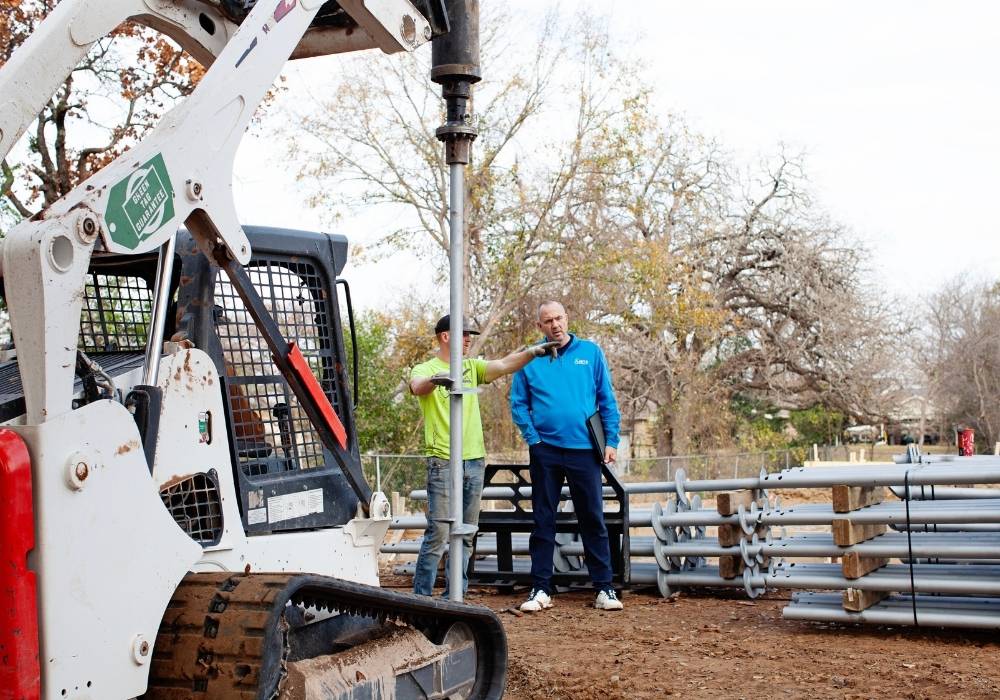
Helical piers are commonly used to transfer structural loads below unstable soil layers, anchoring the foundation into stable ground.
Protect Your Property with a Foundation Evaluation
If you’re asking yourself “Is curb appeal eroding your building’s structural integrity?”, it may be time to evaluate how landscaping interacts with your property’s subgrade soil.
At FnD Piers, we help facility managers and commercial property owners identify foundation risks and implement solutions designed for long-term structural stability.
Schedule a Foundation Inspection with FnD Piers
If you’ve noticed signs of foundation movement or want to ensure your landscaping is not compromising your structure, our team can help.
Contact FnD Piers today for a professional foundation evaluation.
We proudly serve property owners throughout:
- Dallas
- Fort Worth
- Arlington
- Plano
- Grapevine
- Surrounding North Texas communities
Our specialists will assess your foundation, analyze soil conditions, and recommend solutions that protect both your property’s curb appeal and its structural integrity.
Call (817) 402-7113