Many homeowners wait until they see cracks in walls or uneven floors before thinking about their foundation. Unfortunately, by the time visible damage appears, foundation movement may already be advanced.
The good news is that a few simple foundation maintenance tricks can help reduce the risk of costly structural problems before they start.
At FnD Piers, we’ve seen how proactive maintenance can extend the life of a foundation and help homeowners avoid major repair expenses. In this guide, we break down practical foundation maintenance strategies that help keep your home stable year-round.
Why Foundation Maintenance Matters
Your foundation supports the entire structure of your home. When the soil beneath it shifts due to moisture changes, drainage problems, or erosion, foundation movement can occur.
Over time, this movement may lead to:
- Cracked walls and ceilings
- Uneven floors
- Sticking doors and windows
- Brick cracks
- Structural instability
Routine maintenance helps minimize the soil movement that often causes these issues.
The Most Important Foundation Maintenance Trick: Control Moisture Around Your Home
If there is one foundation maintenance trick that professionals consistently recommend, it is this:
Maintain Consistent Soil Moisture Levels
The soil beneath your home expands when it absorbs water and shrinks when it dries out. Extreme moisture fluctuations place stress on the foundation and can cause movement over time.
Why This Matters Especially in Clay Soil Areas
Expansive clay soils are highly sensitive to moisture changes.
During drought:
- Soil shrinks
- Gaps form beneath the foundation
- Settlement may occur
During heavy rainfall:
- Soil expands
- Pressure increases beneath the slab
- Heaving and cracking can develop
Consistent moisture helps reduce these expansion-and-contraction cycles.
Additional Foundation Maintenance Tricks Every Homeowner Should Know
1. Keep Gutters Clean
Clogged gutters allow water to overflow near the foundation.
This can:
- Saturate the soil
- Cause erosion
- Increase foundation movement risk
Experts recommend cleaning gutters at least twice a year.
2. Extend Downspouts Away From the Home
Downspouts should direct water several feet away from the foundation.
Without proper drainage:
- Water pools near the structure
- Soil weakens
- Settlement risk increases
Simple downspout extensions can significantly reduce moisture concentration around the home.
3. Maintain Proper Yard Grading
The ground around your home should slope away from the structure. Poor grading allows water to collect near the foundation, increasing hydrostatic pressure and soil instability.
4. Watch for Plumbing Leaks
Hidden plumbing leaks beneath the home can create serious foundation issues.
Leaks may:
- Oversaturate soil
- Wash away supporting soil
- Causes uneven settlement
Even small leaks should be repaired quickly to prevent long-term structural damage.
5. Be Careful With Landscaping
Large trees and aggressive root systems can remove moisture from the soil beneath the foundation.
To reduce risk:
- Avoid planting large trees too close to the structure
- Monitor root growth
- Maintain balanced watering around landscaping areas
6. Perform Routine Foundation Inspections
Early detection is one of the best ways to avoid major repair costs.
Watch for:
- New wall cracks
- Doors sticking
- Sloping floors
- Exterior brick separation
- Gaps around windows and trim
Small warning signs often appear long before severe structural problems develop.
Seasonal Foundation Maintenance Tips
During Dry Seasons
- Lightly water soil around the foundation
- Avoid allowing soil to pull away from the slab
- Monitor for new cracks
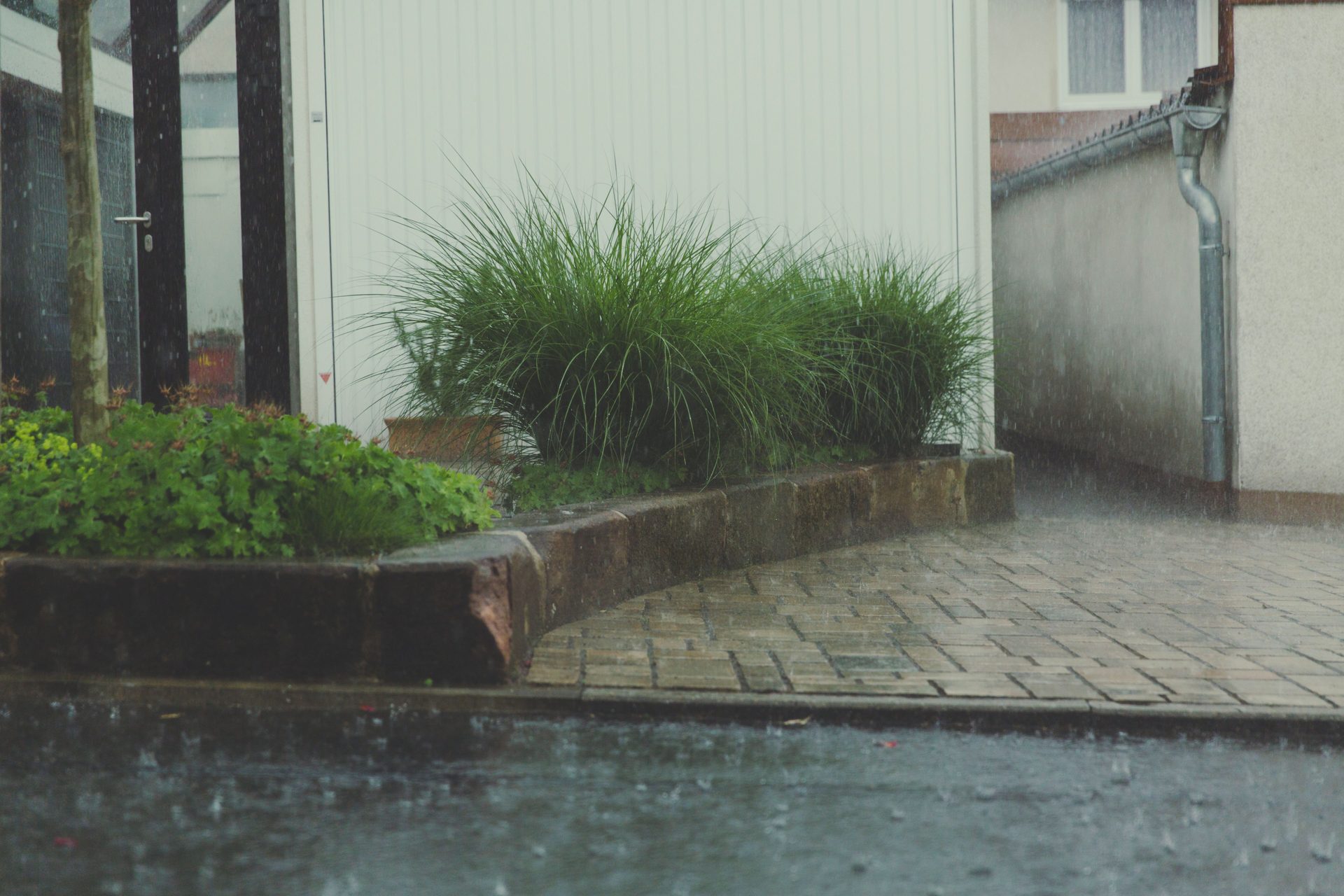
During Rainy Seasons
- Inspect gutters and drainage systems
- Check for standing water near the home
- Ensure downspouts are functioning properly
Seasonal maintenance helps reduce dramatic soil movement throughout the year.
When Maintenance Is No Longer Enough
While maintenance can help prevent many problems, some homes eventually require professional stabilization.
Signs you may need foundation repair include:
- Large structural cracks
- Significant floor movement
- Repeatedly stuck doors
- Noticeable settlement
- Expanding exterior separation
At that point, professional evaluation becomes important.
How Helical Piers Help Stabilize Foundations
For homes experiencing settlement, helical piers are one of the most effective long-term solutions.
How They Work:
- Steel piers are installed deep into stable soil
- Structural loads bypass unstable upper soil layers
- The foundation is stabilized against further movement
Helical piers are especially effective in areas with expansive or moisture-sensitive soils.
Why Choose FnD Piers?
At FnD Piers, we help homeowners:
- Identify foundation warning signs early
- Reduce future structural risk
- Stabilize foundations with engineered solutions
- Protect long-term property value
Our goal is to provide practical solutions that deliver predictable, lasting results.
Final Thoughts: Small Maintenance Habits Can Prevent Major Repairs
The best foundation maintenance trick is consistency.
Simple actions like:
- Managing drainage
- Maintaining soil moisture
- Repairing leaks early
- Inspecting for warning signs
can help prevent thousands of dollars in structural repairs later.
Protecting your foundation is not about reacting to damage — it’s about staying ahead of it.
Want to make sure your foundation stays stable for years to come?
Contact FnD Piers today for a professional foundation evaluation and discover how preventive maintenance and engineered stabilization solutions can help protect your investment.
Call (817) 402-7113 Today.