Uneven concrete around your home isn’t just an eyesore; it’s a safety hazard and a sign of underlying soil issues. Fortunately, residential concrete leveling offers a fast, cost-effective solution to restore your driveway, sidewalk, patio, or garage floor without tearing it out and replacing it.
In this guide, you’ll learn what causes concrete to sink, how leveling works, and why it’s one of the smartest investments for homeowners.
What Is Residential Concrete Leveling?
Residential concrete leveling is the process of lifting and stabilizing sunken or uneven concrete slabs by injecting material beneath them. This fills voids, compacts soil, and raises the concrete back to its original position.
Instead of replacing your concrete, which is expensive and time-consuming, leveling restores the existing slab quickly and efficiently.
Why Concrete Becomes Uneven
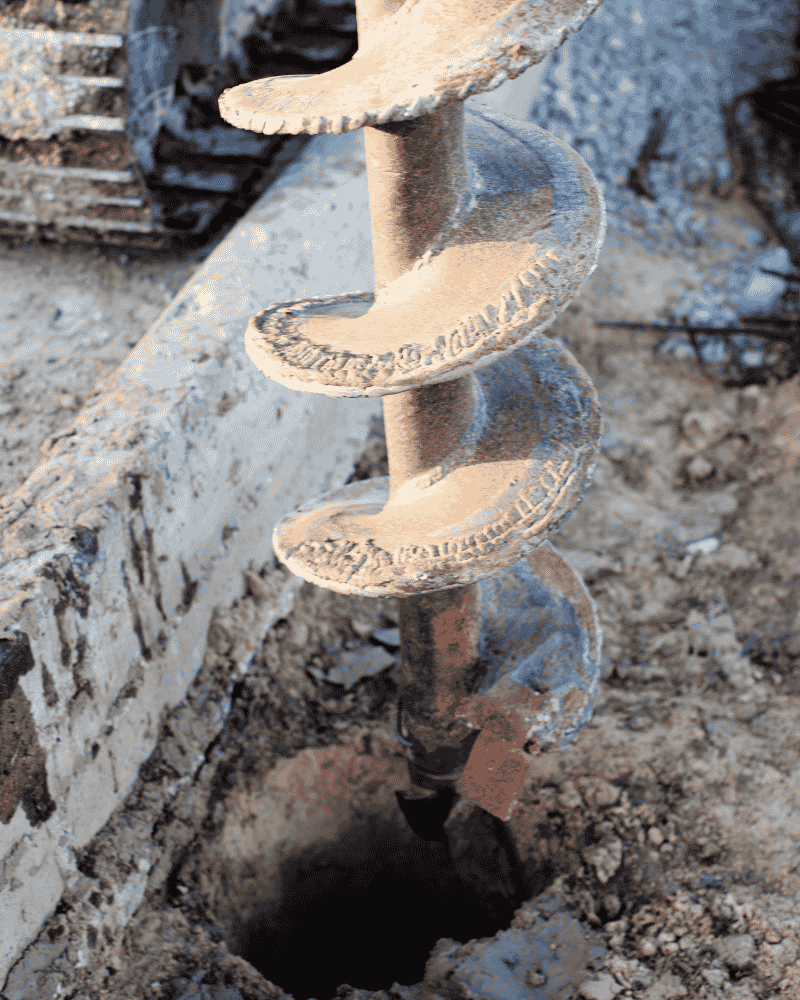
Concrete doesn’t sink on its own—the problem usually starts below the surface.
Common Causes of Sunken Concrete:
- Soil erosion from water runoff
- Poor soil compaction during construction
- Expanding and contracting soil due to moisture changes
- Void formation beneath the slab
- Freeze-thaw cycles
When these issues create empty spaces under your concrete, the slab loses support and begins to sink or crack.
Signs You Need Concrete Leveling
You may need residential concrete leveling if you notice:
- Uneven sidewalks or walkways
- Sunken driveways or garage floors
- Pooling water near your home
- Cracks forming in concrete slabs
- Trip hazards around your property
Ignoring these signs can lead to bigger structural issues and higher repair costs.
How Residential Concrete Leveling Works
Modern concrete leveling is precise, fast, and minimally invasive.
Step-by-Step Process:
- Inspection & Assessment
A professional evaluates the slab and underlying soil conditions. - Drilling Small Access Holes
Tiny holes (often less than 1 inch) are drilled into the slab. - Material Injection Beneath the Slab
Material is injected to fill voids and lift the concrete. - Concrete Lifting & Stabilization
The slab is carefully raised back into place as the material expands or fills space. - Hole Sealing & Cleanup
Holes are patched, leaving a clean, finished appearance.
Most projects are completed in just a few hours—and the surface can often be used the same day.
Methods of Residential Concrete Leveling
There are two primary methods used in residential applications:
1. Polyurethane Foam Injection (Polyjacking)
This is the most advanced and preferred method today.
- Expanding foam lifts and stabilizes the slab
- Lightweight material prevents additional soil stress
- Small injection holes for a cleaner finish
- Fast curing, ready for use within hours
The foam expands to fill gaps and compact loose soil, providing long-term support.
2. Mudjacking (Slabjacking)
A traditional method using a slurry mixture of cement, sand, and water.
- Lower upfront cost
- Effective for larger areas
- Heavier material may stress weak soil
While mudjacking is still used, many homeowners are choosing polyurethane for its speed, durability, and cleaner results.
Benefits of Residential Concrete Leveling
1. Cost-Effective Alternative to Replacement
Leveling typically costs significantly less than replacing concrete, making it a smart financial decision.
2. Fast Turnaround
Most jobs are completed in hours—not days.
3. Minimal Disruption
No heavy demolition or excavation required.
4. Improved Safety
Eliminates trip hazards and uneven surfaces.
5. Long-Lasting Results
Modern methods like polyurethane foam can last for decades under the right conditions.
6. Enhanced Property Value
Level, stable concrete improves curb appeal and protects your home’s foundation.
Concrete Leveling vs. Replacement
Factor | Concrete Leveling | Concrete Replacement |
Cost | Lower | Higher |
Time | Hours | Days to weeks |
Disruption | Minimal | High |
Appearance | Restored | Brand new |
Longevity | Long-lasting | Long-lasting |
In most residential cases, leveling is the smarter first option—unless the concrete is severely damaged.
How Much Does Residential Concrete Leveling Cost?
Costs vary based on:
- Size of the area
- Severity of settling
- Method used (foam vs. mudjacking)
- Accessibility
On average, homeowners can expect leveling to cost hundreds to a few thousand dollars, significantly less than full replacement.
Why Choose Professional Concrete Leveling?
While DIY options exist, professional leveling ensures:
- Proper diagnosis of soil issues
- Precision lifting without cracking
- Long-term stability
- Use of specialized equipment
Concrete leveling is not just about lifting; it’s about correcting the root cause of settlement.
Restore Your Concrete Without the Cost of Replacement
If your driveway, sidewalk, or patio is uneven, don’t wait for the problem to get worse.
Residential concrete leveling is the fastest, most cost-effective way to restore safety, improve appearance, and protect your investment.
Get Expert Residential Concrete Leveling in Texas
At FND Piers, we specialize in helping homeowners restore and stabilize their concrete surfaces with proven, professional solutions.
Take the first step toward a safer, more level home. Call: (817) 402-7113 to schedule your inspection today.