If you work around foundations long enough, you’ll hear the words pier and pile used frequently and sometimes interchangeably.
One contractor may call a steel foundation element a helical pier, while another calls essentially the same type of product a helical pile. You may also hear terms such as screw pile, screw pier, drilled pier, driven pile, or foundation pile.
So, when it comes to construction terminology, piers vs piles, what’s the difference?
The answer depends on the type of foundation system, installation method, engineering context, and even regional terminology.
At FnD Piers, we specialize in engineered helical foundation systems. Understanding the terminology helps engineers, contractors, developers, and property owners communicate more clearly when selecting the right deep foundation solution.
What Is a Pier in Construction?
In foundation construction, a pier generally refers to a vertical structural element that transfers building loads from the structure into supporting soil or rock.
Depending on the application, piers may be constructed from:
- Concrete
- Masonry
- Steel
Examples include:
- Drilled concrete piers
- Foundation repair piers
- Helical piers
- Bridge piers
A drilled pier, for example, is typically constructed by drilling a hole into the ground, placing reinforcement when required, and filling the excavation with concrete.
However, the word pier has several meanings within construction, which is one reason the terminology can become confusing.
What Is a Pile in Construction?
A pile is a foundation element used to transfer structural loads through weaker soils to deeper, more competent soil or rock, or to develop capacity through interaction with the surrounding soil.
Piles may be manufactured from:
- Steel
- Concrete
- Timber
- Composite materials
Common pile systems include:
- Driven piles
- Bored piles
- Steel pipe piles
- H-piles
- Helical piles
- Screw piles
Depending on the system and soil conditions, piles can resist loads through end bearing, shaft resistance, or a combination of mechanisms.
Construction Terminology: Piers vs Piles
Traditionally, engineers may distinguish between piers and piles based on factors such as:
- Diameter
- Depth
- Construction method
- Material
- Load-transfer mechanism
For example, a large-diameter cast-in-place concrete element may be called a drilled pier or drilled shaft, while a long steel member driven into the soil would typically be called a pile.
But construction terminology is not always perfectly standardized.
The same or similar foundation element may have different names depending on the industry, manufacturer, region, engineer, or contractor.
That becomes particularly obvious with helical foundations.
Helical Pier vs Helical Pile: Are They the Same Thing?
In common construction usage, helical pier and helical pile frequently describe the same general foundation technology.
Other names include:
- Screw pile
- Screw pier
- Helical anchor
- Helical foundation
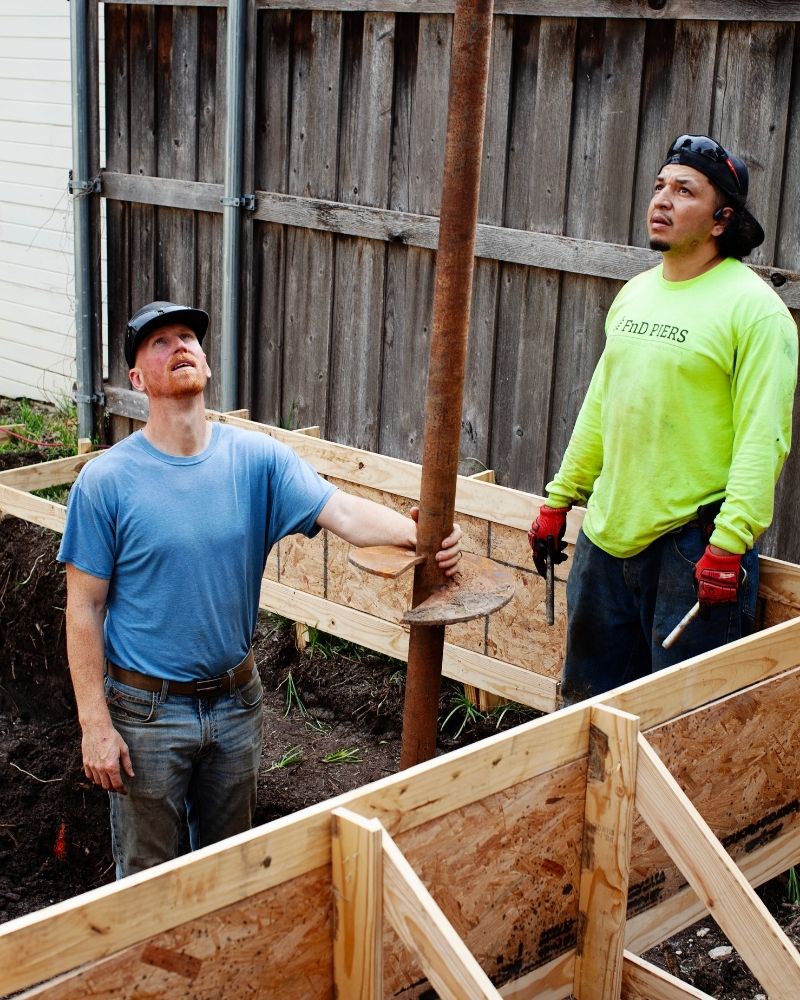
A typical helical foundation element consists of a steel shaft with one or more helical bearing plates.
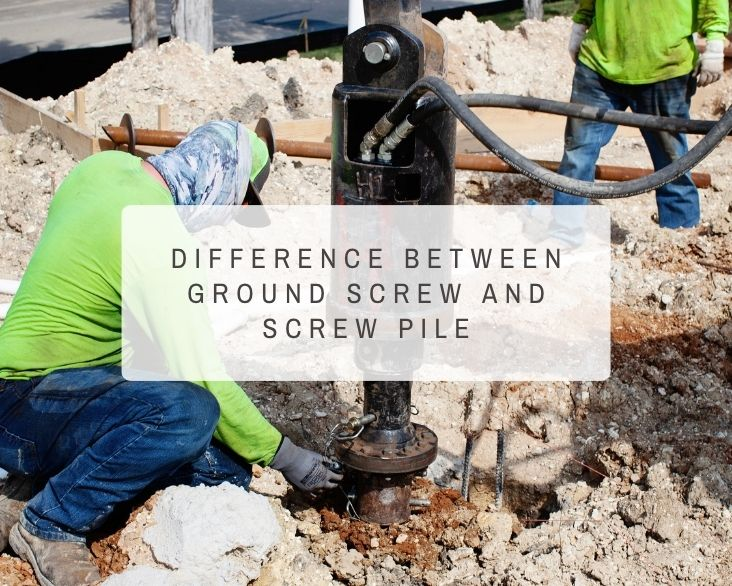
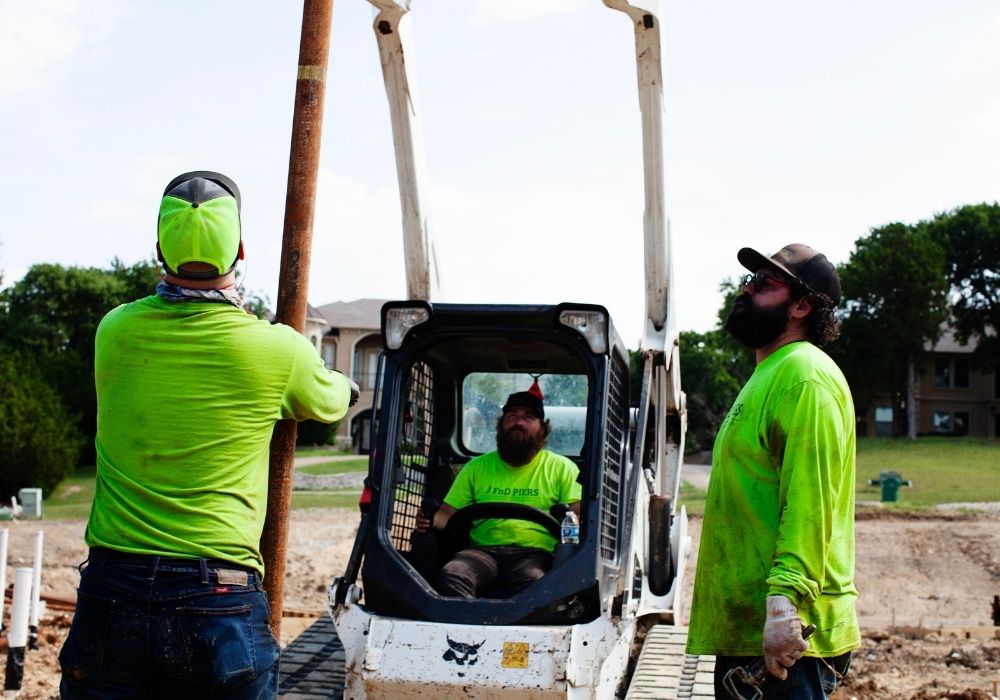
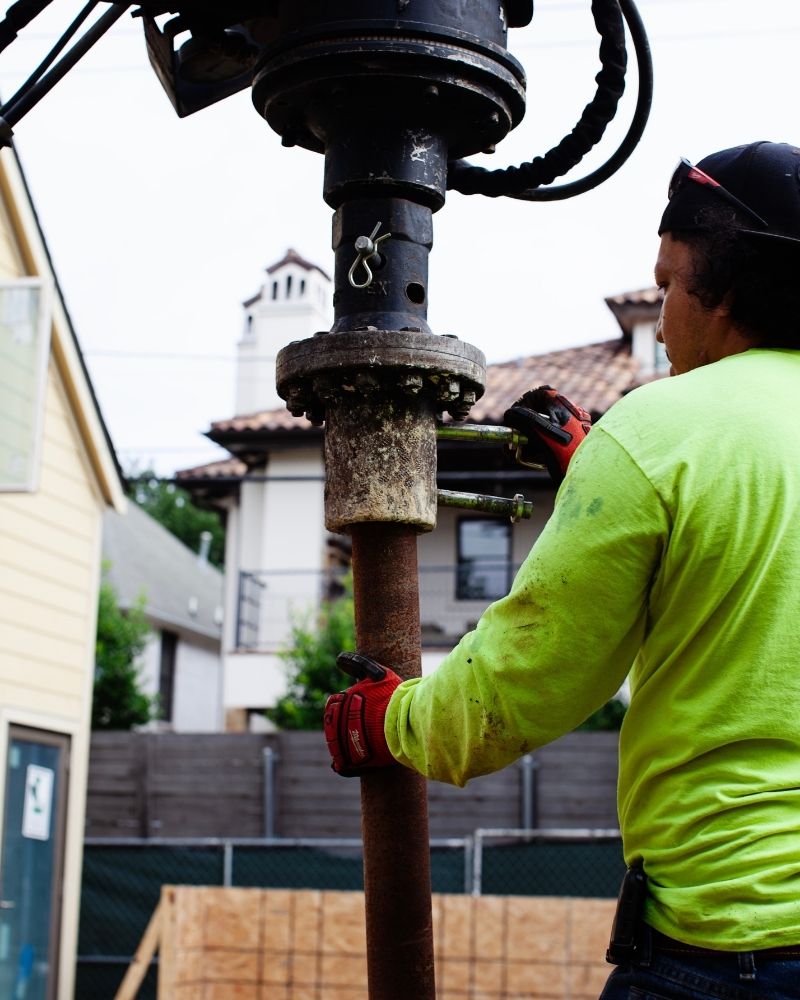
Hydraulic equipment rotates the shaft into the soil until the engineered installation criteria are achieved.
Whether someone calls that element a helical pier or helical pile, the more important questions are:
What is the product designed to do, what loads must it carry, and how will its capacity be verified?
Why Do Some People Say Helical Pier and Others Say Helical Pile?
Terminology often reflects the market or application.
Helical pier is commonly heard in conversations involving:
- Foundation repair
- Underpinning
- Light construction
- Structural stabilization
Helical pile is commonly heard in:
- Commercial construction
- New construction
- Geotechnical engineering
- Deep foundation specifications
These are not absolute rules.
You may see helical pier and helical pile used for essentially the same technology on different plans, specifications, websites, and project documents.
For that reason, project teams should focus on the engineered system rather than terminology alone.
Piers vs Piles: Quick Comparison
Term | Common Meaning |
|---|---|
Pier | Vertical structural support transferring loads to soil or rock |
Pile | Deep foundation element transferring loads into deeper soil or rock |
Drilled Pier | Usually a drilled, cast-in-place concrete foundation |
Driven Pile | Prefabricated element driven into the ground |
Helical Pier | Steel helical foundation element, often used in underpinning and foundation repair |
Helical Pile | Steel helical foundation element, often used in new construction and commercial deep foundations |
Screw Pile | Another common term for a helical pile |
The exact terminology should always be interpreted in the context of the project drawings, specifications, and engineering requirements.
What Makes a Helical Pier or Pile Different?
Unlike a traditional driven pile, a helical pier is not hammered into the ground.
Unlike a drilled concrete pier, it does not require drilling a large open shaft and filling it with concrete.
Instead, a helical pier or pile is mechanically rotated into the soil.
The helical plates allow the foundation element to advance through the ground while providing bearing surfaces that help transfer structural loads into suitable soil.
This installation method can provide several advantages.
Fast Installation
Helical piers can often be installed quickly because large excavations and concrete curing are generally unnecessary for the pier itself.
Minimal Excavation
Installation typically produces little soil spoil compared with drilled foundation systems.
Low Vibration
Because helical piers are rotated rather than hammered into the ground, installation produces relatively low vibration.
Immediate Load-Bearing Capacity
Once properly installed and connected, the steel foundation element does not need to wait for concrete to cure before accepting load.
Installation Verification
Installation torque can be monitored as the pier advances and used as part of determining whether the engineered installation criteria have been achieved.
When Are Helical Piers or Piles Used?
Helical foundation systems can be used in both new construction and existing foundation stabilization.
Common applications include:
- Commercial buildings
- Light-frame foundations
- Building additions
- Foundation underpinning
- Decks and porches
- Sheds and accessory structures
- Retaining structures
- Equipment foundations
- Limited-access construction
The appropriate application depends on structural loads, soil conditions, installation requirements, and engineering design.
Why Correct Construction Terminology Matters
Calling something a pier instead of a pile may sound like a minor difference, but clear terminology matters on construction projects.
Engineers, contractors, manufacturers, and installers need to understand exactly what foundation system is being specified.
A project specification should clearly identify factors such as:
- Foundation system
- Shaft configuration
- Required capacity
- Compression loads
- Tension or uplift loads
- Lateral requirements
- Installation criteria
- Corrosion protection
- Structural connections
This is more important than simply debating whether the word pier or pile is technically preferable.
Don’t Choose a Foundation Based on Its Name
When comparing foundation systems, the terminology should not drive the engineering decision.
Instead, ask:
- What loads must the foundation support?
- What are the soil conditions?
- How will the load be transferred into the ground?
- What installation equipment is required?
- How will capacity be verified?
- What is the total installed cost and schedule impact?
These questions help move the conversation from terminology to foundation performance.
Why Choose FnD Piers?
At FnD Piers, we specialize in engineered helical pier and deep foundation solutions
We work with:
- Structural engineers
- Geotechnical engineers
- General contractors
- Developers
- Builders
- Property owners
Our capabilities include:
- Helical pier installation
- New construction foundations
- Commercial deep foundations
- Foundation underpinning
- Foundation stabilization
- Installation torque documentation
- Value-engineered foundation solutions
Whether your plans call them helical piers, helical piles, or screw piles, the objective remains the same:
Provide an engineered foundation system capable of transferring structural loads safely into suitable supporting soils.
Frequently Asked Questions About Piers vs Piles
What is the difference between a pier and a pile?
The terms can have different technical meanings depending on the foundation system. Traditionally, piles are generally deep foundation elements such as steel, concrete, or timber members installed into the ground, while a pier may describe a larger-diameter drilled or constructed support. Terminology varies by application and industry.
Are helical piers and helical piles the same?
The terms helical pier and helical pile are commonly used to describe the same general steel screw-type foundation technology.
Is a screw pile the same as a helical pile?
Yes. Screw pile is another widely used term for a helical pile or helical pier.
Are helical piers considered deep foundations?
Yes. Helical piers can function as deep foundation elements by transferring structural loads beyond unsuitable near-surface soils into competent supporting soils.
Which is better, piers or piles?
Neither term describes a universally better foundation. The correct foundation system depends on soil conditions, structural loads, project access, installation requirements, schedule, and engineering design.
Why are helical piles sometimes called piers?
The terminology has developed differently across construction markets and applications. “Helical pier” is especially common in foundation repair and underpinning, while “helical pile” is frequently used in new construction and deep foundation engineering.
Final Thoughts: Piers vs Piles Is More Than a Name
When discussing construction terminology: piers vs piles, it’s important to recognize that construction language varies.
A drilled concrete pier and a driven steel pile are clearly different foundation systems.
But when someone says helical pier and another person says helical pile, they may be talking about essentially the same foundation technology.
Instead of getting stuck on the terminology, focus on what matters most:
The engineering. The soil. The loads. The installation. The required capacity.
The best foundation isn’t determined by what you call it.
It’s determined by whether it is properly engineered and installed to support the structure.
Need Help With a Deep Foundation Project?
If your plans call for helical piers, helical piles, screw piles, or another deep foundation system, contact FnD Piers.
Our team can work with your engineers and contractors to evaluate the project requirements and determine whether an engineered helical foundation system provides the right combination of capacity, constructability, speed, and long-term performance.
Call: (817) 402-7113 Today